My sole emphasis, passion and focus is improving the lives of women through supporting their Feminine Seven-Year Aging Cycles and treating the emotional body through The Five Levels of Healing; physical body; energetic body; mental body; intuitive body; and spirit body.
I treat digestive disorders, gut-microbiome imbalances, HPA imbalances, Th1 & Th2 imbalances, stress, addictions, emotional causal chain retention, neurotransmitter and hormonal imbalances such as fatigue, insomnia, hot flashes, brain fog, anxiety, irregular menses, dysmenorrhea, peri-menopause, menopause and post-menopausal imbalances to increase wellbeing, vitality and cellular healing. I treat these disharmonies through a variety of integrative healing modalities.
I have found Herbal Medicine, Holistic Nutrition, Qi Gong, Deep Restorative Sleep, Meditation, Exercise and living in Harmony with Nature to be the most effective ways to flourish during these unstable and volatile times in our lives. There are many things we do not have control over throughout our lives, but taking the time to nourish ourselves is something that we all deserve as it allows us to be centered and to make wise choices. It teaches us to be present, listen to our internal wisdom, conserve our energy and improve upon our adaptability, strength and vitality….. Á Votre Santé.
The History of Herbal Medicine
All cultures throughout history have used the healing effects of herbs to treat health problems. Today, we are experiencing something of a renaissance in herbal medicine. The herbs we turn to in our quest for health link us with the ancient practices from China, Japan, India, Egypt and Europe where written documents of herbal medicines date back 5000 years. Hippocrates, the Greek physician, and Galen, a Roman doctor, laid down principles for using herbal treatments that became the basis of all botanical medicine for many centuries. Despite the perception that herbal and modern medicine are quite separate, almost 75% of medications are derived from plants. However, unlike modern medications, which isolate chemical compounds, herbals contain individual properties that each nourish and heal as well as work together where the sum is greater than the parts for an even greater effect. Herbal medicine aims to treat not only symptoms of illness, but the whole person, strengthening and stimulating the body's own healing abilities.
Herbal Therapy Effects
Over the years, I have observed hundreds of people taking herbs, including myself and my family. I have seen patients benefit from the desired results. Herbs, which are derived from trees, plants, roots, flowers, fruits, seeds and shells are really functional foods derived from the earth that are filled with natural ash minerals, vitamins, alkaloids, glycosides, saponins, bitters, mucilage, phenols, tannins, coumarins, flavonoids, carotenoids and volatile oils, which all possess different healing actions. I am not referring to the mass marketed powdered supplements found at markets or health food stores. Herbs can be astringent, antiseptic, analgesic, antibacterial, anti-spasmodic, anti-inflammatory, diuretic, expectorant, sedative or digestive. In addition, herbs can stimulate immunity, remove toxins from the blood and exert specific actions on different systems, promoting overall health and easing unpleasant symptoms. Furthermore, herbs may have an effect on the mind, soothing tension, depression, stress and anxiety. Tonic herbs have always held a very special and natural vitality associated with the highest qualities of living a long life evoking glowing health, physical vitality, happiness, wisdom, adaptability, sexual vigor, response and mental acuity. Thus, the ultimate purpose of consuming tonic herbs is in the art of achieving radiant health, not so much to eradicate dis-ease, but to reach and experience these ideal goals of living.
Herbal Treatment
A licensed practitioner, who prescribes herbal formulas is familiar with most of the 1800 herbs in the Botanical pharmacopeia. All of these herbs are classified according to their energetic qualities, functions and the different organs, meridians and or disharmonies through which they address. Individual herbs are combined in order to enhance their actions and effects upon the body. When combined, a unique, synergistic formula is created. This combination increases the benefits of a particular formula to minimize any harmful side effects. In order to create the most effective formula, the Herbs are used in different quantities and for different purposes. This allows the herbalist to create a formula aimed at addressing your individual needs. When prescribing curated herbs within each formula exists a specific hierarchy of Herbs such as:
Chief Herbs This Herb has the greatest effect upon the principal problem and is the most important ingredient. It is the energetic and therapeutic focus of the entire formula.
Deputy Herbs These support the Chief Herbs in the treatment of the principal problem. Deputy Herbs generally address the secondary signs and symptoms.
Assistant Herbs The role of Assistant Herbs is to support and reinforce the effects of other Herbs. They also moderate, balance or eliminate any harsh properties of the Herbs within the curated formula.
Envoy Herbs They harmonize, guide and focus the action of the entire formula to certain meridians, organs and/or areas throughout our bodies.
Herbal medicine can be used to expedite our healing process by strengthening, supporting, harmonizing or tonifying our body in the most amazing ways. I have found it to be a very powerful methodology in of itself, as it offers a specific synergistic action and effect upon our body and mind. My clinically proven curated herbal remedies have the capacity to address underlying root causes of hormonal imbalances, GI disturbances, insomnia, fatigue, anxiety, stress, weakened immune systems, addictions and shen disturbances, including a variety of medical conditions whether acute or chronic. Herbal remedies, teas, tonics, and/or adaptogenic tonics are highly effective in strengthening the immune system to stimulate our bodies own healing abilities.
Health is dependent upon our ability to adapt appropriately to all the stresses that we encounter in the course of our lifespan. The Adaptogenic Herbs provide an adaptive energy which enables us to handle stress more easily. Adaptability is the true measure of our innate power in life. Without adaptability we are vulnerable to the onslaughts of our mind, emotions, nature and mankind. A higher degree of adaptability allows us to live a richer, fuller and more colorful life. The more adaptable we are, the more flexible and resilient we become. Adaptability is inherent in all living creatures, and human beings are one of the most adaptive creatures on earth. Mankind has created an artificial world filled with many new challenges to the adaptive capacities of the people living in these environments. Now, not only is the well-being of every individual now at risk, but the very survival of mankind and the majority of species on Earth are at stake due to extreme changes that are taking place in our ecosystem as a result of poor choices, greed, negligence, aggressive industrial and technological advancement.
Actually, life itself is innately stressful. Virtually any rapid change in our environment can be defined as a biological stress. Anything that causes the body to have to make a rapid adjustment so as to maintain its equilibrium is a stress factor. A healthy person can adapt easily to a wide range of normal stress factors. But if for some reason, we lose some of our ability to adapt, we become ill or at least, ill-at-ease. It is important to remember that an over-reaction is just as severe as an under-reaction. One must adapt exactly according to the degree of change to be considered optimally adaptive.
Adaptability is the very measure by which I would judge the true health of an individual. The more adaptive an individual, the more vigor with which one can meet the challenges of life, the greater will be that person's degree of health. The Daoist sages have taught, "We are all born with an intrinsic energy which determines our fundamental, constitutional strength known as primal essence or Jing." Our Jing is said to determine our potential life expectancy, willpower and vitality during this embodiment. If we abuse or dissipate our primal essence (Jing) with which we were born, we will leak and lose our energy, stiffen and lose our ability to change, to heal and to regenerate. We will then be unable to adapt easily or appropriately, so we easily become unbalanced and dangerously susceptible to disease, attacks by microbial pathogens or environmental factors. By knowing when we have gone far enough and by knowing when we have had enough, we will lead a less stressful and less draining life.
Anything that taxes our system will ultimately drain us of some of our Jing, which will accelerate our aging process. Therefore, to promote our health, we must nurture and enhance our essential energy by preserving harmonious balance in our body. These creative health arts for replacing spent Jing, and building our reserves, is one of the greatest health secrets and treasures from the East. A herb which enhances adaptability is called an Adaptogenic Herb. This is a contemporary scientific term for a herb that provides nutrients which help the body and psyche adjust to changes in the environment and reduce the risk of danger due to stress.
When we are consuming Adaptogenic Herbs regularly, whether in formulas, teas, powders, elixirs, tonics or even in our foods, we are less likely to have to tap into our precious Jing reserves, and thus the Adaptogenic Herbs become highly protective and will have life lengthening characteristics. Think of it as embodying the female warrior with her mighty shield.
Though the concept of using Tonic Herbs have finally been appreciated, accepted and utilized in the American society, it has been utilized in Asia and Europe for centuries. Taking Tonic Herbs consistently should be considered part of our overall nutritional program. These Herbs nourish the three treasures, increase adaptability, help overcome stress, protect and help regulate all vital functions. We should be especially diligent about taking Tonic Herbs that build our immune system because these herbs protect and support many other functions in our body.
However, if you have an autoimmune disorder your tonic herbs need to be modified by your practitioner whereby Immune stimulation is not warranted yet the immune boosting for recovery and help is absolutely essential.
Tonic Herbs also strengthen our ability to rid the body of wastes and toxins. Most of the tonic herbs, such as Gynostemma, Ginseng, Astragulus, Pearl, Reishi, Cordiceps and Lycium among many others, have powerful anti-oxidant activity, which we all know protects us and keeps us healthy, strong and young. I cannot stress enough to consume the daily treasured-building, adaptoenetic, protective Herbs on a consistent basis. Tonic Herbs help promote our adaptability, focus, psychological and spiritual growth while assisting us in achieving our full potential.
May you flourish in all ways possible, be kind and loving with yourself so you may transform and become the woman you are meant and wish to embody.
Á Votre Santé
With Love,
Veronika
Auricular Medicine as known in Eastern and Western medicine is an effective integrative healing tool. Licensed, board certified healthcare practitioners may lance, inject, tonify or sedate by needling or using metal pellets to designated intricate points within the ear to treat pain, sciatica, emergencies on the battlefield, analgesia, curtail addictions; treat chronic fatigue, fibromyalgia, fevers, coughs, cold, influenza, asthma, allergies, histamine intolerances, stress, anxiety, insomnia, vertigo, digestive disorders, menopause, low libido, hormonal and psychosomatic imbalances. This is just a fraction of what can be treated by using just your ear alone.
The Taoist dualities of Auriculotherapy is utilized to balance our hormones, yang arousing or yin sedating of hormones and neurotransmitters to balance our yin and yang organs:
Yang arousing stimulates our adrenalin, cortisol, thyroxin, testosterone, glutamate, norepinephrine and dopamine.
Yin is sedating or nurturing our endorphins, melatonin, parathyroid, estrogen, progesterone, GABA, acetylcholine and serotonin.
Something so simple, yet so powerful are the benefits obtained from Auriculortherapy. This clinical and medical technique is globally used for pain, substance abuse and psychosomatic disorders utilizing the energetic five element microsystem, somotropic neurophysical model, and endorphin biochemical model accompanied by master and functional points for physical and psychological disorders.
Auriculotherapy or Auricular Medicine as known in Eastern and Western medicine is a powerful integrative healing tool whereby a healthcare practitioner either lances, injects, tonifies or sedates by needling or using pellets to designated intricate points within the ear to treat pain, sciatica, emergencies on the battlefield, analgesia, curtail addictions; treat chronic fatigue, fibromyalgia, fevers, coughs, cold, influenza, asthma, allergies, histamine intolerances, stress, anxiety, insomnia, vertigo, digestive disorders, menopause, low libido, hormonal and psychosomatic imbalances. This is just a fraction of what can be treated by using just your ear alone.
I was introduced to Auricular medicine in Europe after a fatal ski jumping accident in my teens, fracturing and crushing the entire left side of my body. The treatment plan included Auricular medicine, herbal remedies, Kinesio body-taping and physical therapy which allowed me to walk and function again. Why did something so simple as auriculotherapy work? Schematically, our external ear is akin to a computer keyboard. It acts throughout our entire body through the intermediary of our central nervous system and our auricular micro-hormonal system. Our auricular system has two types of computer input keys; one set connects our spinothalamic system that modulates our pain perception; and the other set initiates the release of active hormones to modify specific internal organs.
Auriculotherapy has a long history rooted in China from 281 CE Chinese text, Prescriptions for Emergencies and Thousand Gold Remedies written in 581 CE. According to Dr. Huang a Chinese Historian, ear acupuncture began a renaissance revival in the 1950’s in China. Simultaneously in the 1950’s, Dr. Paul Nogier of France, known as the “Father of Auriculotheraphy,” went on to write many books and publications about all his discoveries regarding Auriculortherapy. He created the initial western chart of the inverted fetus related to the external ear and the somatropic correspondences to our particular auricular regions. Dr. Paul Nogier was introduced to auriculortherapy by Souliè de Morant (French Consul to China, 1907-1927) who translated the Nei Jing into French and published L’Acupuncture Chinoise. Morant taught medical professionals in France, Germany and Italy.
The auricular ear charts created for practitioners in China were very different from those created by D. Paul Nogier in France. Dr. Nogier’s (1983) neurophysiological basis for auriculotherapy suggests that our nervous system pathways such as the Somatic trigeminal nerve, Somatic facial nerve, Autonomic vagus nerve and Cerebral cervical plexus nerves are related to our three embryological (ectoderm, mesoderm and endoderm) functional tissues that correspond to our ear points on a somatotopic map. He also used laser stimulation for seven different anatomical zones and energy expressions of different frequencies. In China one uses the Taoist dualities of yang arousing or yin sedating of hormones and neurotransmitters to balance our yin and yang organs. Yang arousing is stimulating our adrenalin, cortisol, thyroxin, testosterone, glutamate, norepinephrine and dopamine. Yin is sedating or nurturing our endorphins, melatonin, parathyroid, estrogen, progesterone, GABA, acetylcholine and serotonin.
In 1974, UCLA created a pain clinic utilizing alternative medicine such as acupuncture, auriculotherapy, biofeedback, hypnosis, guided imagery and nutritional counseling. I had the benefit of interning there while in medical school and working with Dr. Terry Oleson who went on to integrate Nogier’s and China’s auriculortherapy modalities into the 21st century through extensive clinical trial studies and witnessing the benefits and relief to numerous patients in the clinic and his practice. Dr. Terry Oleson wrote the Auriculortherapy Manual and created the auricular zone system which is so helpful for healthcare practitioners whom he lectures. His book has undergone three editions, and reprinted several times.
I utilize a combination of all three auriculortherapy modalties when treating my patients. I studied and utilized auriculotherapy in Paris, Beijing, UCLA and trauma triage. I create a treatment plan selecting the corresponding points for your anatomical organ and/or area combined with stimulating the master points on your ear indicated for your specific medical, psychosomatic or psychological condition to be treated.
After thoroughly reviewing your H&P, new patient forms, labs and discussing your health and wellness goals with you, I will create a treatment plan to meet those goals. Instead of auricular needles, staple puncture, ear tacks, ear seeds or press needles, I will be mailing you either ear magnets or ear seed pellets. These can be applied at home with direction, using Gold for tonifying, and Silver for sedating. I will also include your instructions, and an ear chart with your designated treatment plan directing you to apply the Gold or Silver pellets to specific ear points in your ear. Ear seeds should be stimulated at least 3-to-5 times per day for at least 3 minutes by gently massaging them in a circular motion. For pain, anxiety, stress and hot flashes they can be massaged as needed. They will generally stay in place for 3-to-5 days.
To eat healthy food when you are ill is like digging a well when you are thirsty. Is it too late? Diet is a factor in every illness. Let food be your medicine and medicine be your food. Not to know your body’s nutritional compatibilities is a gamble with your most precious possession ~ Your Health!
Explore with me to add Vim, Vigor, Vitality, Radiance and Longevity to your life by choosing foods compatible with your DNA, ABO and Seven Year Feminine Cycles.
There are many things we do not have control over in our lives, however we do have control over what we put in our mouths. Making wise food choices nourishes our DNA and intestinal microbiome. Healthy dense nutrients strengthen our immune system and intestinal integrity, increases our vitality, energy, muscle tone, and balances our hormones while simultaneously preventing dis-ease. This is accomplished by consuming a healthy, anti-inflammatory diet that is compatible with our blood type, our Infradian hormonal fluctuations and menopausal changes throughout our Seven Year Feminine Life Cycles.
The important aspects of eating and nourishing ourselves are not only the foods we choose to eat, but our body’s ability to digest and assimilate the nutrients from our food, including excreting our waste products. Our bodies must be able to identify, digest and assimilate nutrients from food in order to use it for building and regenerating cells, microbiome, tissue, muscles, blood, hormones, bones and maintain vitality. "Your favorite foods may contain all the nutrients in the world, but if your body cannot assimilate those nutrients, they are useless!" Digestive wellness is an essential part of promoting health and optimal assimilation. Chewing well, eating proper food combinations, maintaining a healthy balance of our hormones and intestinal flora supports our digestive wellness.
The four most important actions in digestive wellness are the foods we choose to eat, and our body’s ability to digest, assimilate and eliminate properly. It takes approximately 18 hours for food to travel throughout the length of our digestive tract to be eliminated. This is known as bowel transit time. When we eat healthy foods rich in dense nutrients, antioxidants and high in fiber, get adequate amounts of fresh air, exercise, rest and water our bowel transit time will be less. However, if we do the opposite, by eating fiber deficient and processed foods, accompanied with a sedentary life style, our bowel transit time will be longer. The extra time that food residues remain in our intestines will create the formation of toxic substances, alter our intestinal flora, and result in intestinal toxemia and autointoxication.
Living foods have energy, known as life force, or the essence of energy. Energy can be measured by the effects on our Jing, Qi and blood. This is reflective in our facial diagnosis, tongue, pulse, blood labs and stool tests. Life force can be called the electrical energy in our bodies that enables the mechanical energy of every action in our cells, tissues, muscles, hormones, blood and bones.
Plants have the magical ability to photosynthesize energy from the sun to be stored in every cell. This energy remains intact for some time after the plant is harvested. The fresher the food, the more energy it renders. The more energy within the food, the easier it is for our bodies to assimilate the energy. Alternatively, energy is not present in dead tissue. Dead flesh does not have the life force or the available energy for a vibrant transformation of energy for a beautiful and healthy body. " Processed and flesh
foods require more energy from the body to yield less energy for the body." Live food provides an optimal peak, requiring minimal energy from the body to give the maximum energy to the body. "Less work, more yield!" This is not to say that lean, flesh protein does not have value, as it does contribute to satiety, amino acids, building and maintaining muscles and tissues especially for Blood O types. Having said that, “One lady’s food, may indeed be another lady’s poison. No one diet regimen benefits all due to our own unique DNA.”
Hence, the ongoing confusion from all the marketing, diet fads and hypes. If we feel great, assimilate our foods and excrete our waste products properly, have lots of energy, great muscle tone, beautiful skin and a strong immune system, why change what is not broken. However, if we are struggling with digestive disorders, fatigue, low energy, brain fog, hormonal imbalances, rashes, gas, bloating, diarrhea or constipation and frequently feel unwell, then it is best to seek guidance to identify the hidden root cause(s) as soon as possible. Clinically speaking, any abnormality lasting longer than six months is considered chronic. Our female bodies are so complexed, we deserve to feel our very best. This will allow us to manifest our full potential and create the life we wish to live throughout our Feminine Seven Year Cycles.
Investing in our health is absolutely essential, such as annual labs: blood chemistry, comprehensive stool cultures, cellular inflammatory tests, comprehensive cellular health analysis, neurotoxicity assessment, micronutrient tests and hormonal panels will always reflect our current health status. Insurance covers some of these lab tests, and some they do not.
It very important to know our blood type, Rheus (Rh) group and to check our ABH antigen secretor status as these results are important genetic markers that play a prominent role in cellular function and dysfunction that influence our gene expression and detox pathways. By knowing this information, we can make food choices that are more compatible with our genetics and lessen inflammation.
When we experience digestive inflammatory discomfort, it is very important to uncovering the root causes associated with our gut-toxin connection. This may include pathogens, heavy metals, mold, SIBO, SIFO, Candida or Dysbiosis (leaky gut) that contribute to digestive dysfunction and systemic cellular inflammation. These pathogenic culprits drive the downstream multi-generational effects to recurrent toxic exposure and chronic diseases.
Being a well-traveled clinician, scientist and observer, I have studied and observed many cultures. I observed their diets, their activities, the rhythm of their thoughts, philosophies on life, obsessions, how they choose to balance their hormones or not, as well as how they choose to live and die. I have noticed that people in third world countries and United States suffer the most when embarking upon death. Lack of proper nutrition, toxin over-load, inflammation and improper bowel care, accompanied with life-long stress and anxiety contribute to this suffering.
My nutritional background is multifaceted; western medical clinical nutrition in undergrad for nursing/premed school; fascinating and insightful benefits from Asian nutrition which views food as nourishing, balancing and medicinal while obtaining my masters in Oriental medicine; and the in-depth intricacy of functional, holistic nutrition that highly recommends a diet compatible with our DNA and blood antigens while working on my Ph.D. I believe that when creating a patient’s treatment plan, it is important to uncover the root cause of one’s cellular discomfort and dis-ease as soon as possible. This prevents chronic condition(s) from occurring. If we are unable to rid our cells of inflammation, we will never over come our dis-ease. There are many toxins passed on over the period of four generations, from our mothers to our babies known as epigenetics. It is how we down regulate our gene expression via the neurotoxins affecting our chemical, physical and emotional exposures from each generation, and passing it on to the next generation. These neurotoxins create havoc in our body, nervous system and brain’s cellular function. Another way to explain this would be the on-going generational contaminate exposure: trauma-war generation, industrial water toxicity generation, the lead generation, the mercury generation, the glyphosate (agriculture chemicals) generation, micro-plastic generation, EMF generation, etc ….
My extensive research includes the blood group sciences in DNA research, hormonal and neurotransmitter imbalances, biotechnology, nanotechnology, membrane chemistry, tumor immunology, infectious disease (fungal, parasitic, bacterial and viral receptors), pathogenic biofilms that contribute to the five types of reoccurring illness’s and the hematological abnormalities seen when blood group antigens are missing with immunologically important proteins in a particular ABO blood group. The five types of illness patterns generally fall into one of these categories: infectious diseases, deficiency diseases, genetic and non-genetic hereditary diseases, physiological and/or psychological illnesses.
When counseling patients, my goal is to reduce the risk of developing intestinal permeability, oxidative stress and chronic inflammation that compromises our cells, hormones, health and well-being. Oxidative stress is caused by free radicals, and by-products of metabolism that can damage the integrity of our cells. Normally, antioxidants found in the body and in some foods protect against them. The burden of oxidative stress can outweigh our bodies anti-oxidant defenses, especially following menopause. Oxidative stress can also activate our immune system. That may be helpful in the short term, but the inflammatory process that results from immune system activation can harm us. When inflammation is unnecessarily prolonged, it can lead to dis-ease. This explains why epigenetics, antibiotics and/or chronic illnesses affect our digestive tract creating auto-immune responses, repetitive occurrences of SIBO, SIFO, C’Diff, allergies, MCAS, histamine intolerance, arthritis, hormonal imbalances, diabetes, cancer or heart disease. The risk of these issues may increase with aging throughout our Feminine Seven Year Cycles. Therefore, choosing how we wish to live and die with intention is very important.
Most nutrients, vitamins, minerals and enzymes are sensitive and destroyed by heat.
Enzymes are responsible for every metabolic action in the body, including digestion. A diet composed exclusively of cooked foods puts stress on the pancreas and requires a lot of energy to be expended for digestion. "The fresher the healthier!" The sooner we consume foods after harvest the more nutrients, energy and life force our food will provide us. Eating fresh organic fruits and vegetables that are in season, grown in your garden or grown in your region are simple ways of consuming the freshest food available. "The life in foods give us life!".
Hippocrates, known as the father of medicine, passed on this wisdom; the importance of good nutrition is the foundation for optimal well-being, "Let your food be your medicine and your medicine be your food".
Eating in sync with your Menstrual Infradian Rhythm years.
Menstruation Days (1-5): A time for rest …. Nourishing and warming soups, stews and rice congees, root vegetables, lean protein and iron-rich foods, as well as drinking herbal teas such as red raspberry, nettle, chamomile, lemongrass, ginger or tumeric and curated herbal formulas that move Qi & Blood to prevent stagnation, relax the uterus and lessen uterine cramping. Avoid cold foods and drinks, spicy foods, greasy foods, alcohol and caffeine. Rest, hydrate, gentle stretching and stress management is a priority.
Follicular Phase Days (6-14): A time to build …. Consume leafy green vegetables, root vegetables, Japanese yams, lean proteins, broths, seaweeds, sesame seeds, tahina, and complex carbohydrates. Foods high in iron, folic acid, Vit B’s, copper and Vit A nourish our blood and yin (cooling, receptive cycle) while increasing our Estrogen and FSH. Consuming a curated formula that nourishes the yin and blood building during our follicular cycle is very advantageous.
Ovulation Days may vary (days 13-16 or days 15-17): Increase in active yang energy …. During this ovulation phase there is a shift from yin (cooling, receptive energy) to yang (warming, active energy). Supporting the free flow of Qi (vital energy), blood, adrenal function and smooth liver Qi as our Estrogen, Testosterone and LH spike. Consuming cooling, fresh raw vegetables, leafy greens, vegetable green juices with fresh ginger, pomegranate, beetroot, berries, and citrus fruits which provide antioxidants and fiber. Add fatty fish, nuts and avocados to support essential fatty acids. It is important to stimulate our liver meridian with sour foods such as lemons, green apples, stone fruits, plain yogurt, kefir, kimchi or sauerkraut as our liver is connected to our menstrual cycle and emotional well-being. Liver Qi stagnation can disrupt our hormones, ovulation and menstruation. If the desire is to become pregnant, include teas with Jujube red dates, maca, astragalus and tangerine peels which boost fertility and essential for a healthy reproductive system. Include eating fatty fish, plant-based protein, raw vegetables and high fiber foods. Reduce stress during this phase and exercise to promote the smooth flow of liver Qi.
Luteal Phase Days (18-28): A time for movement …. Assists in the shedding of our uterine lining. Focus on taking care of yourself. Our progesterone & cortisol spikes, therefore it is important to increase calories by eating warmer, lighter, slow-burning complexed carbohydrates that are easy to digest. Add very mild, spicy foods such as pepper, cumin, cinnamon, ginger and basil to increase circulation. Avoid caffeine, alcohol, dairy, meat, processed foods and sugar. Add movement to increase circulation such as walks in nature, QiGong, TaiChi or yoga. A curated formula that boosts our Qi, Yang, and calm our Shen, move Liver Qi and stagnation is very desirable to feeling our best during this phase.
Caution when ingesting processed American Soy. Avoid GMO soybeans. Soy is highly processed in American industrialized farming, versus Asian farming. The US soy products are over-processed with additional ingredients of added sugar, coagulating agents, caramel colorings, hydrolyzed soy protein and unnatural flavors. The healthiest soy to eat are the least processed soy such as young soybeans called edamame, and organic, unprocessed tofu, tempeh, miso, natto and soy milk. The best place to purchase non-GMO soy beans in the US is from Iowa’s Fairview farms (www.laurasoybeans.com). They cultivate Laura Soybeans whereby you can make your own tofu and soymilk. Fresh soy products can also be purchased at Japanese, Korean and Chinese markets. Assimilating soy consumption, our intestinal microflora metabolizes the isoflavones into bioactive compounds with bioavailability, and estrogenic properties. Individuals who genetically produce equol—a (metabolite of daidzein) in our intestinal bacteria will experience enhanced benefits from soy isoflavones. Only 30% of Western women have the correct intestinal bacteria to metabolize soy isoflavones into S-equol. Those who do not produce equol-a in the intestinal microbiome, may not benefit from soy, Equelle, or menopausal OTC supplements containing soy. If we are experiencing fibroids or endometriosis it is best to avoid all processed soy products and opt for organic, unprocessed fermented miso or tempeh for anti-estrogenic effect on our uterus in very small quantities.
Benefits from a Menopausal Reset Diet. The goals are to nourish our yin (cooling, calming and moistening aspects) energy, intestinal microbiome and adrenals, while balancing excess yang (heat and dryness) energy during our hormonal fluctuation years. These imbalances of hormones, yin and yang energies result in symptoms of night sweats, insomnia, fatigue, hot flashes, irritability and brain fog. Our diet should include foods that build yin which are both nourishing and cooling, such as wheat germ, mung beans, sprouts, seaweed, spirulina, millet, black beans, tofu, miso, edamame, kidney beans, chickpeas, lentils, barley, black sesame seeds, kale, watercress, cucumbers, radishes, cabbage, bananas, and blackberries. Eat foods with a high-water content such as soups, broths, salads and steamed vegetables. Avoid spicy foods, alcohol, caffeine, deep fried foods and processed foods to prevent an exacerbation of menopausal symptoms.
Strategies for Nourishing Menopausal Fluids. Fluids can be nourished with foods, teas, broths and herbs. Fluid management can be enhanced with acupuncture. From a TCM clinical perspective it is important to understand that hormones are either steroidal (fat soluble) or non-steroidal (water soluble). They are both regulated by the blood, as it serves as the mediator between our prenatal and postnatal essence. Steroidal hormones include our sexual hormones: testosterone, estrogen, progesterone and most of our adrenal hormones such as DHEA, pregnenolone, aldosterone and cortisol. These are all governed by our liver, with the exception of our parathyroid hormone which is non-steroidal, but also governed by the liver. Foods that nourish our fat soluble, steroidal hormones are nuts, seeds, beans, eggs, mushrooms, bone broths, non-red shellfish, fatty fish, flax seed oil and nuts. Our non-steroidal hormones include thyroid hormones, insulin, prolactin, growth hormones and adrenaline/epinephrine. Our fight or flight response is referred to as a wei qi - automatic reaction. It is primarily regulated by the heart. Foods that nourish our water soluble, non-steroidal hormones are steamed grains, congees, or porridges, soups, bone broths, zucchini, pumpkin, squashes, Japanese yams, artichokes, jicama and seaweeds.
Focus on Organic Fruits and Vegetables. We require 30 grams of daily fiber. Fruits and vegetables contain a wide range of healthy antioxidants and anti-inflammatory compounds that increase the chances we will age healthfully. The more fruits and vegetables that we eat the greater the chances of reducing the risk of developing inflammation, heart disease, obesity, cancer and diabetes. Free radicals can damage virtually every part of our cells, including the nucleus, where DNA, our body's unique genetic blue print, is produced. In fact, many scientists believe that free radical damage is one of the primary causes of aging. The end result is that free radicals rob our skin of its youthful appearance.
Avoid processed foods. Highly processed foods cheat us out of protective nutrients. On the way from the farm to your plate, hundreds of vitamins, minerals, antioxidants and proteins get lost in industrialized production. Often high in trans-fat, chemicals, processed foods can trigger inflammation and digestive disorders. When possible, opt for locally grown and in season choices, which are more likely to retain their nutrients.
Increase greens in your diet. Wheat and Barley grasses are chlorophyll rich foods, referred to as "cereal grasses. " They are known to be cooling, cleanse toxins from the body and have strong digestive properties to treat liver excesses, enhance digestion and decrease gastrointestinal inflammation. Drinking 2 ounces a day is like consuming 2.ó pounds of vegetables. Broccoli, radish and alfalfa sprouts contain high levels of sulforaphane, a compound that boosts enzymes that generate long-term antioxidant activity. The American Association for Cancer Research has shown that sulforaphane inhibits the growth of cancer cells and kills helicobacter pylori, the bacteria that causes stomach ulcers that can lead to stomach cancer. Cereal grasses are high in vitamin A., B12, C, E, folic acid, Iron, phosphorus and calcium.
Eat legumes and grains. Try and eat from each bean group and each whole grain group daily provided you are not allergic, have MCAS, SIBO, SIFO, reactive or sensitive to legumes or grains. This allows us to consume lots of powerful antioxidants that mop up the free radicals to prevent cancer, lower cardiovascular disease, prevent high blood sugar, helps us to see, smell and hear better. Combining beans and grains provides a source of complete proteins. For optimal health, try to maximize the consumption of unrefined grains and minimize your intake of refined grains. Unrefined grains have all three layers intact and are rich in nutritional value such as B vitamins, calcium, magnesium, iron, potassium, phosphorus and zinc. Beans are high in fiber.
Nibble on nuts. Nuts can starve off hunger without causing weight gain, despite their fattening reputation. In addition, tree nuts offer some of the same beneficial phytonutrients also found in fruits and vegetables. They are high in healthy fats, vitamins and protein. Studies show that eating nuts can lower LDL cholesterol such as; pistachio, hazelnuts, Brazilian nuts, walnuts and almonds which further protects our heart by slowing the absorption of sugar into our blood stream after eating a high-carbohydrate meal.
Choose the right Omega-3 healthy fats.
The saturated fats found in animal foods increase the odds of cardiovascular disease. Trans fats found in margarine and processed foods promote inflammation. We need to consume 30% of healthy fats daily into our diets. The Omega-3 fatty acids found in foods such as cold-water fish, flax seed, flax seed oils, salba (white chia seeds), avocados, olives, nuts and seeds, nut butters and dark chocolate protect our heart, brain and nervous system. "What's good for the heart is good for the brain." Current studies have revealed that fats in fish can help reduce the risk of dementia and Alzheimer's disease. Be conscientious of which fish you select, as the larger the fish the greater the chances of mercury. Smaller cold-water fish eat marine plant life and may contain lesser levels of mercury. Limit your consumption of high mercury albacore tuna to 6 ounces per week and totally avoid high mercury fish such as shark, swordfish, mackerel and tilefish. Fish that contain high omega-3 fatty acids are salmon, sardines, herring, eel, Japanese minnows and anchovies.
Avoid hydrogenated fats.
They cause our arteries to become rigid, sticky and clogged, raises our LDL and creates cardiovascular disease. Hydrogenated fats are damaged fats that have been altered through processing and are not found in nature. These are found in fried foods, baked goods, artificial and processed foods, creamers and commercially high-heat processed vegetable oils, such as corn, soy, canola. They are toxic to our body.
Hold the sugar. Baked goods, cereals, pastas, rice and white bread score high on the glycemic index (G 1), a rank of foods based on how they make blood sugar rise. The body quickly digests high (G 1) foods and converts them to sugar, which triggers insulin release causing your blood sugar to rise to very unhealthy levels. Sugar robs nutrients from our body. Sugars cause chemical reactions in the body creating inflammation, cavities, allergies, obesity, yeast infections, candida over-growth in our small intestine and weakens our pancreatic function. This can lead the way for developing metabolic syndromes, insulin resistance or diabetes. Sugar interacts with the collagen in our body creating a phenomenon called glycosylation known as the "browning reaction" causing crosslinking of collagen, making our skin prone to discoloration, known as ugly age spots. Our blood stream cannot process more than 2 tsp of sugar. One tsp of sugar equals 4 grams of sugar. Therefore, read labels prior to purchasing your favorite yogurts or ice cream, as you may be consuming far more sugar than you realize. When we dump sugar in our bloodstream, we are creating biochemical and hormonal chaos. High level of refined carbohydrates triggers the release of enzymes associated with inflammatory responses as well.
Reduce your risk of pesticides. More than 800,000,000 pounds of toxic chemicals are used as pesticides each year on American farmlands. The Delaney Amendment is found in Section 409 of the Federal Food, Drug and Cosmetic Act. It states: "No additive that she'll be deemed safe if it is found to induce cancer when ingested by a man or animal." The EPA published findings in the report Unfinished Business; a comparative assessment of environmental problems rank pesticide residues in food as the third highest risk of cancer today. Buy organic grown produce whenever possible! Wash all produce, a few drops of apple cider vinegar in a bowl filled with filtered water is very helpful for rinsing or scrubbing vegetables and fruit. Peel produce if it is not organic. Currently FDA only samples about 1% of the food supply. Their current technology can detect less than one half of the 800,000 pesticides, herbicides and fungicides acceptable to use. Many chemicals have been banned from use, however these same toxic chemicals are still being sold and exported to Mexico and South America where there are no regulations and then the food is exported back to America. More than half of our winter produce comes from Mexico.
Include cultured and fermented foods. Cultured organic foods such as: sauerkraut, kimchi, miso, natto, kefir, yogurt, temph, kvass, rejuvelac, kombucha, amasake and raw shoyu are great digestive aids and easy to digest, even for a weakened system. In the fermenting and culturing process, food is partially digested by live cultures. The cultured foods enzyme count is tremendous, making the nutrition readily available. Cultured foods are naturally rich in probiotics, such as L. Acidophilus and L. Bifidus - healthy bacteria that support good intestinal ecology for optimal digestion, assimilation and elimination. Foods high in calcium that support the growth of acidophilus are winter squash, pumpkin, buckwheat, bran, carrots, raw garlic and dark green vegetables such as endive, lettuce, kale and parsley. Foods high in FOS that support the growth of Bifido-bacteria are onions, garlic, bran, asparagus, chicory, buckwheat, bananas, Brazilian nuts, wheatgerm, glocomannan, rice bran, flaxseed and natto. Biotin will support acidophilus growth and keep candida in the cells in a non-invasive state.
Eat sea vegetables. Sea vegetables have long been considered to possess powers to prolong life, prevent disease, alkalize the body, dissolve fat and mucus, supply fiber to the digestive system, purify the blood, improve skin tone, enhance beauty and health. Common types of sea vegetables are agar, nori, arame, kumbu, kelp, dulce, hijiki, wakame and Irish Moss. They contain more calcium than milk, more iron than beef and more protein than eggs. Seaweed is also a rich source of micro-nutrients and have more concentrated nutrition than vegetables grown on land.
Benefits of a warm bowl of oats. Oat bran, the outer coating of oats, contain high concentrations of soluble fibers, which help trap cholesterol and move it quickly through the intestines. Unfortunately, most people eat their oats in the refined form, which contains very little of the precious bran that contains beta glucan and saponins. Whole oats are also rich in antioxidants that stop cholesterol oxidation, the process that enables it to stick to artery walls. Oats have also been known to prevent colon cancer by binding toxic minerals and acids, as they balance the body's blood sugar levels by slowing the absorption of carbohydrates and the saponins increase production of natural killer cells.
Add longevity Mushrooms. Mushrooms are favored for both their taste and their therapeutic value. They can be consumed in cooking, chocolates, elixirs and nutraceuticals. Many mushrooms, particularly Shiitake, Maitake, Reishi, Agaricus, Cordyceps, Lion's Mane, Chaga, and Coriolus have superb anti-aging properties. Depending on the type, they may contain polysaccharides, sterols, coumarin, vitamins, minerals and amino acids that boost immune function, supports endurance, cognitive enhancing, lowers bad cholesterol, regulates blood sugar and protects the body from virus and cancer. Wood Ear (jelly ear) mushrooms are rich in collagen, protein and antioxidants.
Caution when purchasing your protein choices. Our body needs protein to support immune function, hormones and maintain muscle mass. Rule of thumb, calculate your protein intake by your body weight. Consider 1.2-1.7 grams of protein per kilogram of your body weight per day to maintain your health. When shopping for fresh fish, poultry or meats it is important to cook them within a day of purchase to prevent an increase in oxidation, histamines and free radicals. It is very important to never consume cooked protein after 48hours due to increase of bacteria, clostridium botulinum, clostridium perfringens, salmonella, and staphylococcus aureus. Cooked protein must be stored at 41*F (5*C). Caution when selecting flesh protein: Avoid chicken soaked in bleach from the industrial farms that are marketed nation-wide; Pigs (pork) raised on jiffy lube to fatten them up; industrial farming of cows (beef & dairy) on antibiotics, sulfa, and antimicrobials; and farm raised fish on antibiotics and antimicrobials swimming in defecation. Very important to know where your flesh protein is raised. Consider including other healthy protein choices per one-half cup: dried beans (20gms), soybeans (36gms), lentils (9gms), non-fat yogurt (12gms), one egg (6gms), or two tablespoons of nut butter (8gms).
Eat several sources of Calcium. Eat foods high in calcium such as sardines, salmon, yogurt, milk, cheeses, leafy greens, bok choy, broccoli, soy beans, white beans, tofu, figs, oranges, nuts, and whey protein to strengthen bones and teeth.
Avoid genetically modified foods (GMO). GMO foods are highly likely to aggravate food allergies, histamine intolerances and mast cells due to the mutated smorgasbord, especially in sensitive people or immune compromised individuals. Most GMO foods are designed with antibiotic-resistant genes and are exposed to antibiotics, which compromises the healthy bacteria in our bodies. This pattern breeds super antibiotic-resistant strains of bacteria in our foods which is regulated by the FDA, EPA and USDA. While small scale farmers are being forced into economic impossibilities and undermined by the US government, as they choose to subsidize mono-crops for the following agriculture and petrochemical corporate conglomerates raking in billions of dollars that are heavily invested in GMO food production such as Dow Chemical, DuPont, Monsanto (owned by Pharmacia), Norvatis, Chevron, Shell, Uniroyal, Vulcan, Union Carbide, Stauffer Chemical, Rhone-Poulenc, Avery Dennison, Rohm and Haas, American Cynamid, Philip Morris, Nestle, Pepsi Co, Coca Cola and Anheuser Busch.
Eat organically grown foods. The parameters of organically grown foods do not accept irradiation as an acceptable process. Organic farming requires the responsible maintenance of healthy, fertile soil. The soil must be rested and fed through natural methods without the use of chemical fertilizers, pesticides, fungicides, herbicides and rodenticides. Organically grown food offers a wealth of Health. It has more nutrition right down to the cellular level and no harmful chemicals, pesticides, waxes or residues. Pesticides have been linked directly to immune systemic disorders, cancer and nervous system damage. Eating organic does not contain genetically modified organisms (GMO's), growth hormones nor antibiotics. Organic foods taste better due to higher antioxidant levels.
Drink Plenty of fresh water. Our bodies are composed of 70% water. Drinking the freshest, filtered water possible and staying hydrated are simple solutions for improved energy, flushing toxins, improving our skin and balancing blood sugars. Be selective of the water that you drink, as the EPA estimates that 1.5 trillion gallons of pollutants leak into the ground water each year, with the highest incidence of contaminants from lead, nitrates from fertilizers, jet fuels, industrial wastes, medications and radon. There are many filtration processes that remove contaminants. Check the site www.ewg.org and put in your zip code to obtain a list of the contaminants in your tap and bathing water. The site will also include suggestions on the best filtering process to utilize for your contaminants. Avoid purchasing water in plastic containers, or drinking out of plastic bottles, as polychlorinated biphenyls (PCBs) leach into the water and will cause endocrine disruption and inflame brain cells.
Eat smaller, frequent meals to sustain energy levels. Loading up our bodies with food three times a day is a cultural habit, not a biological need. Instead, eating smaller portions four to five times a day delivers a steady stream of nutrients, blood sugar and energy to the body throughout the day. Less taxing on our digestive and metabolic systems, smaller meals prevent overloading and excess waste accumulation. Another benefit, is by dividing caloric intake one reduces the risk of heart disease. Snacking on healthy foods is an incredible trick to boosting energy levels. When your energy drops or you have difficulty concentrating between 3 and 6pm, have a healthy snack in the early afternoon and again before 6pm.
Incorporate the power of adaptogen herbs in your daily routine. Whether we ingest adaptogens via teas, coffee, soups, dark chocolate, elixirs, tonics, powders or supplements, they will have a profound effect on our health and well-being. Adaptogens support our body’s ability to cope with stress, enhance resilience, increase physical energy, mental clarity, cognitive function and focus, influences our HPA axis by improving our neurotransmitters, hormonal balance and immune function. Adaptogenics have been used by centenarians in Asia and the rain forests for centuries. Consider using Ginseng, Astragalus, Ashwagandha, Rhodiola, Tulsi, Cordyceps, Schisandra, Gynostemma, Moringa, Eleuthero or Goji Berries to improve the quality of adapting to life’s daily stressors.
The Acid-Alkaline Balancing Act. What we eat both builds and fuels our bodies and directly affects our bones. If we do not consume enough Vit D, calcium and protein our bones will not be able to rebuild themselves. Some of the food choices we make can actually create a calcium loss or drain resulting in nutrient deficiency. To maintain a healthy metabolism in our body, our blood plasma must be slightly alkaline at a pH of 7.45. A pH of 7 is neutral, and below 7 is acidic. A balanced pH is considered to be homeostasis. The foods we eat contribute to either an acid or alkalizing environment once they have been metabolized. The residue left behind are either considered to be acid-forming (carbonic, phosphoric or sulfuric) or alkalizing buffering minerals (calcium, iron, magnesium, potassium or sodium). The more minerals in our foods, the more alkalizing they are in our bodies. Proteins and carbohydrates are acid forming and leave an acid residue. They are foods such as sugar, flour, grains, beans, fish, poultry, meat and eggs. Alkalizing foods include fruits, green leafy and root vegetables, sea vegetables, soy products, miso and salt. Neutral buffers are yogurt, milk, cheeses and tofu. Choosing healthy foods from both categories helps to maintain healthy blood plasma and bone remodeling.
Avoid salty and processed foods. Salt injures our blood which in turn injures our heart muscle. It contributes to edema, heart disease and hypertension. (FYI: Sadly, with the epidemic of POTS, we are encouraged to consume 10 grams of salt daily in order to increase blood volume. The medical establishment has yet been able to discover a cure for this debilitating post enterovirus illness exposure). Avoid artificial food colors, nitrates, sulfites, MSG, Bouillon cubes, food preservatives such as BHT, BHA and EDTA, synthetic flavors, food waxes found on produce which contain pesticides, fungicides and animal byproducts, plastic packaging, heat-processed soy and GMO’s. All of these suppress thyroid function, increase infertility, allergies, auto-immune disorders, obesity, immune reactions and cancers.
Beware with underlying pre-existing inflammatory illnesses. The essential first step is to avoid pro-inflammatory foods such as dairy, gluten, soy, sugar, artificial sweeteners and exercise caution consuming night shade vegetables as they can trigger immune system responses and GI disorders. Refined grains can pose a different kind of problem as it ignites an inflammatory response that impedes the absorption of amino acids which is essential for boosting our immune system. It is important to test your nutritional intake tolerance, reactivity tests and gut-zoomer tests with an experienced healthcare practitioner.
Consume Antioxidants. Food is your medicine. Antioxidants can protect against cellular damage, slows aging and helps prevent disease. We should aim for 3,000-5,000 ORAC units per day. You can find the ORAC Scale at www.ars.usda.gov. Some healthy choices include apples, avocados, basil, beans, berries, broccoli, cocoa, cranberries, green tea, lentils, mushrooms, nuts, olive oil, oregano, potatoes, peppermint, and tomatoes to name a few.
Healthy and therapeutic benefits of congees. Congees or porridges have a long rich medicinal history in China, as early as 221-207 B.C. It can be main with rice, millet, sorghum, barley or wheat. The grains are just a fraction of the filtered water, and should be cooked for 4-6 hours for a more therapeutic outcome. Nuts or dried fruits should be added in the beginning. Herbs should be steeped in water for at least 30min, then added to the congee co minutes before serving. Fresh fruits and steamed vegetables added when serving.
Asparagus congee is a diuretic and cleanses the arteries. Carrot congee eases flatulence and GI discomforts. Chicken or lamb congees fortify weak constitutions, invigorate and warm the body, Ginger congees are good for nausea, vomiting, diarrhea and indigestion. Pear congee with honey is good for upper respiratory infections with cough and fever. Black sesame congees will lubricate the intestines, prevent gray hair and enhance lactation for nursing mothers. Spinach congees lubricate the lungs and act as a mild sedative. Wild mushroom congee such as maitake and shiitake bolster the immune system and very therapeutic for fighting viruses.
Eat consciously. Part of the journey to radiant health and well-being is getting to know ourselves and how to manage our bodies. Recognizing patterns and habits is the first step to freedom. It is worthwhile to consider cravings, desires, longings, obsessions and vices long before falling prey to old habits or unconscious behavior. Chewing our food until liquified or at least 30 times before swallowing, supports our food to become predigested in the mouth by the enzyme ptyalin found in our saliva. As a result, the stomach does not have to work as hard and absorption of important vitamins and nutrients occur more readily. Eat when you are hungry and stop when you are satisfied, and not stuffed. Eating mindfully teaches you the difference.
Understanding the connection between the gut microbiota and hormones is vital for maintaining our hormonal balance. The gut-hormone axis plays a key role in regulating various endocrine functions, PMS, perimenopause, menopause, adrenal dysfunction, insulin resistance and fertility issues. Combining gut microbiome analysis with advanced hormone and neurotransmitter testing gives us a precise picture of how your hormones are being produced, metabolized, and excreted. These tests allow me to develop a comprehensive and personalized treatment plan to address your gut microbiota and hormonal imbalances to optimize your health and wellbeing.
One of the most significant interactions between the gut and hormones occurs through estrogen metabolism. The estrobolome is a subset of gut bacteria comprised of Escherichia coli, Enterobacteriaceae, Bacteroidetes, Firmicutes, Proteobacteria, and Actinobacteria. These strains modulate estrogen levels by producing beta-glucuronidase, an enzyme that influences estrogen reabsorption.
An imbalance of these microorganisms (dysbiosis) in the gut can lead to excessive or insufficient estrogen circulation. This contributes to hormonal symptoms such as PMS, fibroids, endometriosis, and menopausal complaints.
Improper estrogen metabolism can also lead to an accumulation of harmful estrogen metabolites. This increases the risk of estrogen-dominant conditions, including breast and ovarian cancer. Optimizing gut health is thus crucial for maintaining balanced estrogen levels.
Estrogen influences the composition of the gut microbiome diversity and also significantly impacts the gastrointestinal system as a whole. Fluctuations in estrogen levels affect overall gut health, particularly during menstruation and menopause.
Too much of this hormone can reduce gut motility, leading to constipation, while lower estrogen levels may cause increased motility or diarrhea. Estrogen also supports the intestinal lining by promoting mucus production and maintaining tight junctions between epithelial cells, preventing leaky gut and inflammation.
The hypothalamic-pituitary-adrenal (HPA) axis, which governs stress responses, is closely linked to the gut microbiome. Gut dysbiosis heightens inflammatory cytokines, disrupts HPA axis function and leading to dysregulated cortisol levels. An imbalance in cortisol can contribute to fatigue, weight gain, mood disorders, and metabolic dysfunction.
Increases in cortisol levels affect the gut microbiota by altering gut transit time, intestinal permeability, and nutrient availability. This in turn, impacts the composition and diversity of the microbiota. Additionally, increases in cortisol can also lead to abnormalities in other sex hormones.
Research suggests that gut bacteria influences cortisol secretion through direct signaling pathways, affecting adrenal output and stress resilience. Addressing microbial imbalances can help regulate cortisol production and mitigate stress-related conditions.
Progesterone is a critical hormone for reproductive health. Its levels can be influenced by intestinal inflammation and microbiome diversity. Chronic gut inflammation elevates lipopolysaccharides (LPS), which trigger immune responses that lower progesterone. This can contribute to irregular cycles, implantation failure, and infertility.
Progesterone promotes the growth of bifidobacterium species, an effect that is increasingly noticeable during the later stages of pregnancy. Gut bacteria convert’s progesterone to neuro-steroids such as allopregnanolone, which affects the brain and nervous system. Low levels of allopregnanolone can contribute to postpartum depression, mood swings and psychiatric disorders.
A well-balanced gut microbiome supports optimal nutrient absorption, reduces inflammatory responses and promoting hormonal stability. Restoring gut health is an essential step in improving progesterone levels and reproductive function.
Testosterone is essential for muscle growth, metabolic function, mood regulation, and libido in both men and women. Emerging research suggests that gut microbiota significantly impact testosterone levels through multiple mechanisms, including inflammation regulation and nutrient absorption. Dysbiosis and chronic gut inflammation can lead to increased oxidative stress, which negatively impacts testosterone synthesis.
Elevated levels of testosterone in males and females were shown to correlate to a more diverse microbiota and quantity. Specifically, those with elevated levels of testosterone demonstrated higher quantities of Acinetobacter, Dorea, Ruminococcus, and Megamonas. Certain bacterial strains, such as Akkermansia muciniphila, have been associated with healthier testosterone levels and metabolic function.
Additionally, gut health influences insulin sensitivity, which plays a key role in testosterone balance, particularly in conditions such as polycystic ovary syndrome (PCOS) and hypogonadism.
It is important when treating a hormonal imbalance to look at more than just the hormones, as prescribing just BHRT or a curated TCM formula may not address all the underlying root causes. Successful outcomes require a proper diagnosis and treatment.
When adrenals are stressed, estradiol and testosterone can be shunted to DHEA while progesterone goes to cortisol. In women, the adrenal glands are the only source of DHEA. During menopause, the adrenals are the only source of testosterone, because the ovaries produce far lesser estrogen and progesterone. If the adrenals are exhausted and cortisol is low, menopausal and PMS symptoms intensify. Therefore, adrenal normalization should precede hormone modulation.
Neurotransmitter evaluation and support is also critical. The inhibitory neurotransmitters, serotonin and GABA help to maintain calm and mood; while the excitatory neurotransmitters, dopamine, glutamate, norepinephrine (NE) and epinephrine (EPI) influence energy, focus and memory.
During perimenopause and menopause, women are coping with fluctuating hormonal imbalances, and possible adrenal, neurotransmitter and thyroid imbalances. This complicated imbalance and dance with our hormones and brain chemistry challenges our stress adaptation mechanisms resulting in fatigue and exhaustion. These fluctuating levels of estrogen, progesterone, testosterone, cortisol and thyroid interact with our brain neurotransmitters that affect our emotional and physical responses to life, stressors in our environment, insults and infections.
It is important when treating a hormonal imbalance to look at more than just the hormones, as prescribing just BHRT or a curated TCM formula may not address all the underlying root causes. Successful outcomes require a proper diagnosis and treatment.
When adrenals are stressed, estradiol and testosterone can be shunted to DHEA while progesterone goes to cortisol. In women, the adrenal glands are the only source of DHEA. During menopause, the adrenals are the only source of testosterone, because the ovaries produce far lesser estrogen and progesterone. If the adrenals are exhausted and cortisol is low, menopausal and PMS symptoms intensify. Therefore, adrenal normalization should precede hormone modulation.
Neurotransmitter evaluation and support is also critical. The inhibitory neurotransmitters, serotonin and GABA help to maintain calm and mood; while the excitatory neurotransmitters, dopamine, glutamate, norepinephrine (NE) and epinephrine (EPI) influence energy, focus and memory.
During perimenopause and menopause, women are coping with fluctuating hormonal imbalances, and possible adrenal, neurotransmitter and thyroid imbalances. This complicated imbalance and dance with our hormones and brain chemistry challenges our stress adaptation mechanisms resulting in fatigue and exhaustion. These fluctuating levels of estrogen, progesterone, testosterone, cortisol and thyroid interact with our brain neurotransmitters that affect our emotional and physical responses to life, stressors in our environment, insults and infections.
Neurotransmitter imbalances associated with hormonal fluctuations:
Mood swings: High dopamine, low serotonin and GABA; low adrenal and thyroid function.
Insomnia: Low serotonin and GABA, high NE and EPI; low blood sugar, high cortisol, thyroid imbalances, low adrenal function, low progesterone and/or low estrogen.
Hot flashes: High cortisol, low serotonin, estrogen and progesterone imbalances.
Fatigue: Low glutamate, dopamine, and NE; thyroid imbalances, adrenal exhaustion, low iron, Vit B’s, D’s and/or E.’s
Brain Fog: Low progesterone, pregnenolone and estradiol; low dopamine, serotonin, acetylcholine and glutamate levels.
Anxiety: Low serotonin, low GABA, high NE, high EPI, high glutamate; high or low cortisol levels and low progesterone.
Depression: Low serotonin and NE, high glutamate; low Vit D, low thyroid levels, high or low estrogen and/or thyroid imbalance.
Chronic Pain: Low serotonin, high NE; low Vit D and low cortisol.
Lack of Motivation: Low serotonin and dopamine.
Carbohydrate Cravings: Low serotonin, insulin resistance and low dopamine.
Weight Gain: Low dopamine and serotonin; low thyroid, high cortisol, insulin resistance and estrogen dominance.
Constipation: Low serotonin, dysfunctional dopamine, low magnesium; thyroid imbalances, high estradiol and estrone.
Diarrhea: High serotonin levels, VIP, histamine, dopamine and acetylcholine increases intestinal motility; cortisol, adrenaline and thyroid imbalances, low progesterone; IBS or gut infections.
Bloating: Thyroid or digestive disorders; high or low estrogen and progesterone.
Reflux: Imbalances of serotonin, dopamine, glutamine and GABA; high progesterone, low estrogen and testosterone.
Memory Loss & Lack of Focus: Low thyroid, low cortisol, low dopamine, low EPI, low NE, low glutamate; low progesterone, low estradiol, low Vit D and B’s.
Inflammation: Dysfunctional serotonin pathways can induce mast cells, glutamate and substance P can activate pro-inflammatory cytokines, NE and NPI can increase the adhesions of leukocytes; leaky gut, candida overgrowth, SIBO or parasitic invasions, high insulin, hormonal depletion, especially low progesterone, low omega 3’s and Vit D.
Joint pain: Dysregulation of dopamine, serotonin, glutamate and substance P pathways; leaky gut, high insulin, genetic predisposition; low progesterone and high estradiol.
Skin issues (acne, eczema, psoriasis, rosacea): Gut microbiota imbalances, leaky gut, stress ~ cortisol imbalances, serotonin, dopamine, substance P and NGF imbalances, dehydration, smoking, pathogens, allergens, histamines and/or high androgens.
Hair loss: Thyroid imbalances, dopamine antagonists, serotonin associated with SSRI’s; emotional stress, low iron, zinc, Vit B12, or biotin; low estrogen, high androgens and/or DHT.
Bone loss: Dopamine, serotonin, NE, NPY and acetylcholine imbalances; leaky gut, nutrient deficiencies; thyroid imbalances, low estradiol, progesterone and insulin.
Heart inflammation: Viral or bacterial infections, autoimmune disorders, certain medications, leaky gut; high insulin and low estradiol.
Utilizing the trio lab testing with Vibrant Wellness; Gut Zoomer, Hormone Zoomer, and Salivary Hormonal Panel offers a comprehensive perspective on your hormonal imbalances, as well as how they are produced, metabolized, and excreted. As of now, they do not accept insurances, but will offer discounts with bundling of tests.
Sanesco Neurotransmitter testing; Their CSM testing for neuro-endocrine-hormonal imbalances target the root causes of underlying symptoms. They balanceshormonal, endocrine and neurotransmitters with targeted nutritional therapy and nutraceuticals. They work with Medicare and offer C0-Pay-One insurance billing options.
Quest and Lab Corp testing: Both companies accept a variety of insurances, including Medicare for Hormonal testing, Dirty hormonal testing (Estrone, 17-OH Progesterone, DHT, Fructosamine, C-peptide & Androstenedione), Genetic risk profile for poor Hormonal Detoxification (MTHFR, COMT & CYP1B1); CBC’s, CMP; Cardiac lipid profiles, Cardiac markers, Cardiac IQ profiles, Cardiac genetic (FH) testing; Inflammatory markers, Immune and Auto-immune profiles.
Ambry Genetics testing: These tests are very important to do before ever considering HRT during perimenopause, menopause or post-menopause transitions to determine if you carry any of the MSH6, MLH1, MSH2 or PMS2 (Lynch Syndrome) mutations or the BRCA1 and BRCA2 genetic mutations. Ambry Genetic testing is important to do if you think you are at risk for inherited cancer mutations, wish to detect disease-causing mutations that could be passed on to future generations, or have been experiencing on-going undiagnosed symptoms. It is best to do the Cancer Next Expanded 90 gene-test. Ambry Genetics works well with most insurance and medicare companies. The test is $250.00 without insurance. This test is worth it’s weight in gold! The test results create a roadmap for early detection and informs your healthcare team of better ways to manage your annual prevention and medical care. Ambry Genetics specialize in Hereditary cancers, Cardiovascular conditions, Neurological disorders and Rare conditions. I refer my patients to a very special lady, an earth angel that works at the Samuel Oschin Cancer Center, an affiliate of Cedars-Sinai. Her name is Angelica Smullin, MS, CGC. Licensed, Certified Genetic Counselor II. She can be contacted at: angelica.smullin@cshs.org
PCS Professional Co-Op Laboratory Services They offer affordable, rapid results and reliable lab testing for patients that are uninsured or have high co-pay with their existing health insurances. Their customer service is excellent.
Routine Annual Pap smears and Pelvic Ultrasounds with your gynecologist These are important exams to rule out cervical cancer, and determine the health of your reproductive organs, such as checking for thickened endometrial lining, fibroids, ovarian cysts or any other abnormalities within or surrounding your uterus.
Mammogram Screenings May include any of the following as prescribed by your HCP…… Standard mammogram which include two digital images of each breast, Sonocine Breast Video helps to improve cancer detection along with annual mammograms; Diagnostic mammograms may include additional tests, as well as biopsies for lumps, pain or discharge; 3D mammograms or breast ultrasounds for dense breast tissues; Breast MRI’s for women at high risk of breast cancer; or Contrast-Enhanced Mammography (CEM), Molecular Breast Imaging (MBI) and/or Position Emission Mammography (PEM) for suspected lesions that are difficult to detect.
Dexa Scan Is used to measure bone density to assess the risk of osteoporosis, osteopenia, fractures or other conditions that can weaken our bones. Consider doing these every 3-5 years between ages 50-65 years old, and every 2 years over the age of 65 years old.
The Importance of Knowing Your Genetic Blood Type
Your blood type is more than just a label; it is extremely important health information. Knowing your blood type is important for when you may need a transfusion or when you may wish to donate blood, but did you know it can reveal your risk for certain diseases? It is also very important to enhance your diet with the superfoods compatible you’re your blood type in combination with your APO E genetic markers. Take control of your health and learn what clues your blood type may reveal.
There are eight major blood types:
O+ and O-
A+ and A-
B+ and B-
AB+ and AB-
Like many of your features, such as eye color, your blood type is inherited from your parents. And just like other genetic traits, certain blood types are more common than others.
Type O positive blood is the most common; approximately 37% of the U.S. population has it. On the other hand, only 7% of the population has Type O negative blood. Blood donation organizations seek Type O negative blood because it is considered the “universal red cell donor” blood type. This means everyone, no matter their blood type can receive Type O negative blood in emergency, often resulting in life-saving transfusions.
What is Rh factor? What does it affect?
Rh factor, or rhesus factor, is an inherited protein that helps determine your blood type. If your blood type is Rh-positive (O+, A+, B+, AB+), your red blood cells carry this protein; if your type is Rh-negative (O-, A-, B-, AB-), your cells do not carry it.
Rh factor determines the compatibility of two people’s blood, which makes knowing your Rh factor important during pregnancy and for blood transfusions.
People with Rh-negative blood types can have serious reactions to Rh-positive blood types because their immune systems view the Rh-positive blood as a threat and attack it. This immune response can occur when someone accidentally receives incompatible blood during a transfusion or when a Rh-negative person is pregnant with a Rh-positive baby. In pregnancy, Rh incompatibility can result in harm to the developing baby. Fortunately, these pregnancy complications can be prevented with injections administered by a healthcare provider and should be a part of routine prenatal care.
The connection between blood type and cardiovascular disease:
People with blood types A, B or AB are at a slightly higher risk of developing heart disease than those with Type O. This is because their blood contains antigens that can make it more likely for blood clots to form. While the increased risk of heart attack is small (8%), the risk of blood clotting and deep vein thrombosis is considered much higher, over 50% according to one study.
Regardless of your blood type, there are ways to reduce your risk of heart disease. You can start by eating a well-balanced, heart-healthy diet that adheres to your ABO genetics which includes organic fruits, vegetables, lean proteins and whole grains, as well as balancing your diet according to your genetic APO E ratio of healthy fats-carbs-proteins with required exercise to decrease inflammation and high cholesterol. Daily exercising, decreasing stress, balancing hormones and maintaining a healthy weight may also contribute to reducing your risk.
The connection between blood type and cancer:
People with certain blood types may be at an increased risk of developing certain cancers.
Studies have shown that people with Type A blood have a slightly higher chance of developing stomach cancer than people with Type O blood. Similarly, a study revealed that while the overall risk is relatively low, individuals with Type O blood were less likely to develop pancreatic cancer than people with A, B, or AB blood types.
People with A, B, or AB blood types may also have a higher risk for lung, breast, colorectal, prostate, liver and cervical cancers. Researchers are still trying to understand exactly how blood type, genetic markers and these cancers are all connected.
If you have a blood type that is associated with an increased risk of cancer, it is important to be aware of the signs and symptoms of the disease so that you can get early diagnosis and treatment. You should also talk to your health care provider about ways to reduce your risk of cancer, such as eating a healthy diet, exercising regularly and not smoking. It is important to do genetic testing to determine if you carry certain predispositions to certain types of genetic cancers so that you can take additional precautions.
The connection between blood type and stroke:
About 4 out of 5 strokes are preventable, and there are genetic factors that can put you at an increased risk. People with Type A blood have a higher risk for stroke than those with Type O blood. A recent study found that patients who had an early stroke before age 60 were more likely to have Type A blood, while those with Type O blood had a 12% lower risk of having a stroke.
If you have a blood type associated with an increased risk of stroke, it is important to talk to your doctor about the signs and symptoms of stroke. Regardless of your blood type, lifestyle behaviors including eating a healthy diet, getting regular exercise, reducing alcohol consumption and not smoking may help reduce your risk.
Do you know your blood type?
LabCorp and Quest Diagnostics offers a robust suite of wellness and screening tests that help you obtain a better overall picture of your health. Their Blood Type Test is a quick and easy way to discover your blood type. Test results are completed within 48 hours from the lab draw. This ABO test along with an APO E test can help you learn more about your overall health, genetic profile and how your blood type may affect your risk for certain diseases, as well as can be used for genetic nutritional guidance and counseling.
Clinical research conducted from population-wide surveys, researchers have found that certain ABO genetic blood types are associated with greater risks of heart disease, stroke, and certain cancers, according to hematologist Raymond Comenzo, a professor at Tufts University School of Medicine and medical director of the Blood Bank and Transfusion Medicine Laboratory at Tufts Medical Center.
“It’s not the kind of work that can guide clinical decision making for a specific patient,” Comenzo says. “But these linkages can provide avenues for further research to better understand these diseases and the risks for various populations.”
There are four major blood types: A, B, AB, and O. Our blood type is based on specific antigens, which are molecules that stimulate an immune response, that are present on the outside of our red blood cells. A person with B blood, for example, has B antigens on their red blood cells. This means that their body will recognize other B antigens as safe and won’t react to them. But if their body encounters A antigens from, say, transfused blood, it will immediately try to destroy those cells as if they were an infection. People with AB blood have both A and B antigens, and people with O blood have neither.
Blood types are genetic; they stem from variations in one gene in our body known as the ABO gene and they’re not something we can change. But learning how they impact different disease risks can improve our understanding of how and why people develop different health issues.
Cancers. Research shows that people with type A blood are at a higher risk of developing certain stomach cancers. Bacterial infections from helicobacter pylori are more common in patients who have type A blood, and these infections can cause stomach ulcers, inflammations, and sometimes lead to cancer, Comenzo says. H. pylori may also be connected to higher rates of pancreatic cancer in blood types A, B, and AB.
These three blood types may influence the risk of other cancers as well. “For patients who have type A, B, or AB blood, the ABO gene can also play a role in heightening the risk of certain cancers, particularly lung, breast, colorectal, and cervical cancers,” Comenzo says. Researchers still are unsure exactly to the “how and why” they are connected.
Heart disease. According to the American Heart Association, A, B, and AB blood types are associated with a greater risk of heart attack due to coronary artery disease than type O blood. In particular, people with AB blood appear to have the highest risk. These blood types have also been linked to higher rates of clotting disorders, which is likely related.
Stroke. A recent study found that people with blood type A were slightly more likely to have a stroke before the age of 60 than people with blood type O. More research is needed to determine what may be causing this connection, but many researchers suggest it may have to do with how different blood types contribute to clotting factors.
Mosquitoes and malaria. In lab experiments, mosquitoes seem to prefer feeding on people with type O blood, although other genetic factors also play a part. Fortunately, having type O blood helps protect people from the most severe effects of malaria, a mosquito-borne disease. Having said that, I have personally and clinically witnessed hundreds of female patients with A and AB blood type attacked by mosquitos, resulting in large welts, urticaria, fever, headaches, nausea and fatigue. Mosquitos ingest viruses, bacteria and parasites from a host and inject those pathogens into other individuals, transmitting Chikungunya, Zika, Dengue, West Nile, Yellow Fever and Malaria in humid climates all over the world.
COVID-19. In a large study of European patients, analysis suggested that patients with Type O blood were at a slightly lower risk of dying from COVID-19. “This was data collected from before we had vaccines,” Comenzo claimed. “It does not really translate into risk for an individual patient, because the relative risk is so small.”
Understanding how different ABO blood types may contribute to these risks can help improve how we recognize and manage different diseases of the global population. Comenzo suggests that many of these ABO differences at risk are small, and patients should focus on the risk factors that they can control, and try to live healthy lives. Comenzo shared that there are plenty of ways that individuals can minimize their risk, such as daily exercise, maintaining a healthy diet, decreasing stress levels, getting restorative sleep, not smoking, and opting for a positive attitude. It’s a choice that is available to us all.
Your genes are a unique instruction manual that makes you who you are. Yet sometimes this manual includes a risk for inherited diseases. The power of genetic testing is that it can detect inherited diseases, so that together with a healthcare provider, you can make better health decisions. Genetic testing is covered by insurances.
Genetic Testing
Ambry Genetics empowers you to take control of your health care plan and management. The more informed you are, the better decisions you can ultimately make for you and your family. That is why we have created a helpful Genetics 101 guide for those who want to learn more.
What Is Genetic Testing?
Genetic testing is the process of examining our genetic makeup to detect disease-causing mutations that may be passed on to future generations. If you think you may be at risk for an inherited disease, genetic testing can help inform a roadmap for care.
Why Is Genetic Testing Important?
Genetic testing provides a roadmap for people who may be at risk for or have already been diagnosed with a potentially inherited disease or for those whose symptoms have gone undiagnosed despite years of searching for answers – the importance of clinical genetic testing cannot be overstated.
Why? Because discoveries made possible through genetic testing may be actionable, and they could directly inform how your healthcare team manages your medical care, now and in the future.
How Do I Know If I Need Genetic Testing?
The Importance of Knowing Your Personal and Family Medical History:
There are a great number of inherited diseases, ranging from the extremely rare to those that appear with higher frequency and are better understood. The specific criteria for determining if genetic testing would be beneficial for you or a family member depends on the type of disease that is reflected in your family medical history.
Ambry's current menu of genetic tests is focused in four categories of genetic disease: Hereditary Cancer, Heart Conditions, Hereditary Neurological Disorders, and Rare Conditions. If the condition you are concerned about falls into one of these categories, Click on the appropriate title below to learn more.
Gut Microbiota helps to regulate everything from our hormones, neurotransmitters, libido, immune system, neurochemical pathways, brain function, mood, and heart health. When our hormones crash, women can feel over-whelmed, out of control and anxious. Balancing gut microbiome and hormones are critical to bringing a sense of calm, empowerment and wellbeing.
Your gut and brain do not operate in isolation. They are deeply influenced by our metabolic health, inflammation, nutrition, hormonal balances and lifestyle habits.
Metabolic dysfunction and insulin resistance increase the risk of depression. Blood sugar instability disrupts our brain function, affecting mood and mental clarity.
Chronic inflammation is a driver for mood disorders. Elevated inflammatory markers, such as high-sensitivity C-reactive protein (hs-CRP), are linked to higher rates of hormonal imbalances, depression and anxiety.
Gut health affects hormones, mental health and brain function. The gut produces neurotransmitters like serotonin and dopamine, which regulate mood. Disruptions in the gut microbiome is linked to an increased in symptoms of chronic depression and hormonal imbalances.
Nutrient deficiencies affect brain chemistry. Vitamin D, B vitamins, magnesium, and omega-3 fatty acids are essential for neurotransmitter production and brain health.
Reduce Stress. Too much cortisol, triggered by stress, blocks the action of progesterone our calming and relaxation hormone. This block will create hormonal fluctuations and anxiety. Making more demands on our bodies will provoke a stress response and affect our gut microbiome.
Feed your brain, gut & hormones. Most of our body’s serotonin, the happy hormone is made in our gut, and is produced more abundantly when we consume an abundance of tryptophan nutrients. Wonderful tryptophan sources are nuts (pumpkin, sunflower & sesame), chia seeds, edamame beans, spirulina, natural yogurt, organic fermented soy products, eggs, turkey and salmon.
5 ways lifestyle shapes mood. Your gut and mental health is built on everyday actions. Small, intentional choices shape how you think, feel, and function. Whether it's movement, nutrition, social connections, or time in nature, these elements have a profound effect on your emotional well-being.
1. Social connection: The most overlooked gut and mental health booster.
Women are born and wired for human connection. Isolation is harmful for our health and wellbeing. Social bonds provide connection, stimulates our oxytocin, feel-good hormone, provides emotional security, helps regulate stress, and impacts our gut-brain-body function.
Lower stress levels help to decrease the production of cortisol, the body’s primary fight or flight stress hormone.
Social connection improves emotional resilience, reflection, focus and mental clarity, increasing strength to navigate disappointments, challenges and setbacks.
Strengthens our immune system, resiliency and adaptability, while reducing the inflammation that contributes to mood swings, anxiety or depression.
Lower the risk of loneliness, isolation and depression.
2. Benefits found in nature: Improves gut-mind-body connection.
Spending time in nature is relaxing, calming, healing and stimulates our sensory nervous system. It lowers stress, improves concentration, and combats seasonal affective disorder (SAD).
Spending time in nature can lower blood pressure, incessant mind chatter and cortisol levels, as well as reduce the feelings of anxiety.
Sunlight exposure is essential for vitamin D production, which may reduce symptoms of stress, mood swings, depression and anxiety.
Natural environments provide sensory stimulation that enhances creativity, mood, cognitive function, mental clarity, self-reflection and reduces stress.
3. Sleep: The foundation of emotional stability.
Poor restorative sleep, tired-but-wired restless sleep affects gut and mental health, stress regulation, and cognitive function. Sleep deprivation increases stress, weakens memory, and disrupts hormonal and neurotransmitter balance. Restorative sleep ensures your liver gets to cleanse the blood of toxins, your gut gets to fast, and your brain gets the downtime it needs to process emotions, rest from all the inner mind chatter, repair itself, and function optimally the next day.
Stick to a consistent bedtime routine, our body thrives on regularity.
Reduce blue light exposure before bed, as screens interfere with melatonin production.
Short sleep duration contributes to irritability, mood swings and depression.
Chronic sleep deprivation disrupts serotonin receptors, potentially impacting gut microbiome, memory and hormonal imbalances.
Prioritizing restorative sleep improves gut microbiome, mental resilience, focus, and overall health and wellbeing.
4. Consuming dense nutrients: Food impacts our gut microbiome & mood.
Our gut and brain are fueled by what we consume. Prioritize consuming healthy nutrient-dense foods over processed, sugar-laden alternatives.
Consuming sugar, ultra-processed foods, saturated fats and alcohol disrupt our gut microbiome, hormones and neurotransmitters. This in turn affects our hormones, moods, and may increase seasonal affective disorder (SAD), a seasonal depression noted in some women during the winter’s shorter days.
Probiotics, protein and fiber-rich foods support gut health, hormones and neurotransmitters which affects mental clarity and emotional resilience.
A healthy diet begins with consuming nourishing foods encompassing the right balance of vitamins, minerals, and essential fatty acids compatible with our ABO blood type.
The Mediterranean diet is linked to a lower risk of depression.
Omega-3 fatty acids, found in fatty fish, flax seeds and nuts, support our neurotransmitter function, cognitive performance, and mood.
Magnesium, B vitamins, and antioxidants are essential for brain health and emotional regulation in helping our body combat stress.
5. Exercise: A natural antidepressant.
Daily exercise improves our muscle tone, immune system, metabolic health, adaptability, resiliency, mood, energy levels, cognitive function and sleep.
Exercise provides a natural release of endorphins, which reduces stress and promote feelings of well-being.
Increased brain-derived neurotrophic factor (BDNF), a protein that supports brain plasticity and reduces depression and anxiety.
A boost in dopamine and serotonin levels, neurotransmitters that influence happiness and emotional balance that supports our hormonal balances.
Short bursts of movement are known to increase clarity, focus, mood, and reduced symptoms of depression and seasonal affective disorder (SAD).
Sedentary behavior (600+ minutes/day) increases symptoms of depression.
Aerobic exercise and strength training increases muscle tone and reduces symptoms of depression and anxiety.
Mind-body activities such as yoga, QiGong or Tai Chi help regulate adaptability, resiliency and stress responses.
Exercise improves cognitive function, sleep quality, and emotional regulation which in turn improve gut-brain-body health, wellbeing and hormones.
The journal Frontiers in Microbiology published a study that examined the influence of bisphenols on vascular calcification, including data from humans and an animal-based experiment. Given its widely recognized role as an endocrine disruptor, bisphenol A (BPA) has been replaced in many plastic products with other bisphenols, including bisphenol S (BPS), bisphenol F (BPF), and bisphenol AF (BPAF), though they too have been shown to have similar mechanisms of action as well as a magnitude of effect. Yet because most toxicity data exists for BPA, the other bisphenols do not receive as much public attention, and are below the radar of many individuals who look for “BPA-free” products. This study attempted to specifically evaluate BPF’s role in vascular calcification.
Fifty-seven consecutive patients presenting with chest pain were enrolled in the study, 30 of whom had vascular calcification as determined by diagnostic CT imaging. Although bisphenols are typically measured in the urine, this study measured fecal bisphenol levels. Unfortunately, very little is known about the fecal elimination of BPF in humans; in this study, BPA, BPS, and BPF were all found in significantly higher levels among patients with vascular calcification compared to those without. Other significant differences include older age, higher rates of smoking, and a lower eGFR among people with vascular calcification. It’s certainly possible that these variables may also be relevant to bisphenol exposure; for example, tobacco smoke has previously been linked to higher urinary BPA levels. Of the bisphenols, BPF was the most predictive of calcification in this study.
Analysis of the gut microbiome was also done, which found significant differences between those with calcification and those without, such as a higher abundance of Escherichia-Shigella, Anaerovibrio, Prevotella, etc., among those with calcification, with abundance also associated with all 3 bisphenols and inversely with short-chain fatty acids (acetate, propionate, and butyrate levels).
An animal experiment was also conducted, which found that BPF could induce vascular calcification in healthy animals and exacerbate it among animals with previously induced calcification. BPF disrupted the gut microbiota, including enrichment of Escherichia-Shigella, and was associated with an increase in several inflammatory signals, including LPS (endotoxin), IL-6, IL-1β, and TNF-α. Next, the researchers performed a fecal transplant from animals with calcification (also exposed to BPF) to those with calcification but not BPF exposure, and found an exacerbation in calcification. This and related experiments prompted the authors to conclude that BPF promotes vascular calcification through its effects on the gut microbiota.
Currently, the effects of BPF on the human microbiome are unknown. This is despite an NHANES 2013–2014 study which found that roughly 2/3 of urine samples of adults and children in the U.S. had detectable levels of BPF, while 96% had detectable BPA, and almost 90% had detectable BPS. Given how underappreciated the hazards of BPF are compared to BPA, it’s likely this exposure has only increased since then.
A 2024 review of bisphenols and phthalates suggested the evidence favors that their playing a large role in the obesity epidemic, mediated through at least 6 mechanisms that include the following: dysregulating the gut microbiome and promoting a pro-inflammatory milieu; a disruption of gut microbiota and increases in intestinal permeability and inflammation; and alterations in glucose and lipid homeostasis from exposure.
A 2023 review of BPA cardiovascular toxicity concluded that BPA may induce dysfunction in multiple tissues, including blood vessels, the heart, kidneys, and liver. It points to a growing body of evidence suggesting that urinary or blood levels of BPA are associated with the incidence of heart attack, stroke, and coronary artery disease. This review included a 2020 analysis published in Ecotoxicology and Environmental Safety, which cited a 73% higher risk for myocardial infarction, 61% higher risk for stroke when comparing quintiles of exposure, including associations with heart failure, coronary heart disease, and angina pectoris. It also included a 2021 analysis of young adults, which found that higher BPA levels were associated with pro-inflammatory signals, including higher C-reactive protein levels, blood pressure, and pro-inflammatory gene expression. Another study with nearly 900 participants found a higher risk of subclinical atherosclerosis (thicker carotid artery intima-media thickness) and endothelial dysfunction among young adults (aged 12-30) with greater BPA exposure.
While the vascular toxicity of BPF is not conclusively shown in humans, it is clear that toxicity is mediated by changes to the gut microbiota. For example, Akkermansia muciniphila has emerged as a likely beneficial probiotic and was shown to remove approximately 48% of BPF via biotransformation; similarly, Faecalibacterium prausnitzii removed up to 87% of tetramethylbisphenol F (TMBPF) in vitro. Regardless of mechanism, it is very important to screen for elevated bisphenol exposure (not just BPA), and identify contributing sources.
Bile is a vital body fluid that plays an important role in the absorption of nutrients in the small intestine as well as flushing the liver of toxins. Bile is continuously produced in the liver by cholesterol oxidation and conjugated to glycine and taurine, and subsequently stored in the gallbladder. Bile also works as a signaling molecule both inside and outside of the liver.
In Traditional Chinese Medicine (TCM), the root cause of the majority of imbalances in the body is liver dysfunction. In TCM, the liver is known as the "master organ" as it is the causative factor in many of the body’s ailments. The liver helps with detoxification, enzyme production, bile production, hormone production, immune cell activation and the storage of vitamins and iron.
A critical function of the liver is the excretion of bile. A healthy liver also plays an important role in nutrient distribution by effectively metabolizing energy as well as storing vitamins and minerals for later use. In fact, everything that enters the body via the mouth is processed by the liver.
In modern society, livers are often overburdened and cannot perform their essential functions. This breakdown of function can lead to disease. Blockages in the gallbladder (such as gallstones and bile duct stones) can increase the amount of daily nutrition required, due to the lack of nutrients being absorbed. Gallstones can hinder bile’s ability to remove toxins. A non-optimally-functioning liver produces less bile, which can result in digestive issues such as bloating, constipation and stomach pain.
Bile has many functions; one of these functions is to lubricate the small intestines and stool. Less lubrication can result in constipation and too much can lead to diarrhea. A blockage in this area also increases the accumulation of toxins in the body, which creates oxidative stress, and the backing up of waste matter. When too much food remains in the intestine, it ferments, promoting leaky gut due to toxic gasses penetrating the intestinal lining.
Bile salts break down fats, so adequate bile is required for processing fats and are essential for weight loss. Bile also transports toxins out of the liver into the feces, and keeps everything flowing. If bile is not continually being produced and flowing, cholesterol stones can result.
Fat soluble vitamins, like vitamins A, D, E and K can only be broken down in the body if there is adequate bile. Patients that have had their gallbladder removed must be aware that they have no bile storage system, and, therefore, must manage bile production.
The liver and thyroid have a synergistic relationship, because T4 is converted to T3 by bile in the liver. T3 is the more potent thyroid hormone, which is metabolized from iodine. A thyroid problem may actually be the result of a bile or liver malfunction rather than anything to do with the thyroid itself. The liver also metabolizes many other hormones such as insulin-like growth factor and plays a major role in the inactivation of excess hormones.
Mental and mood imbalances can result from a sick or fatty liver because of the liver’s influence on hormones. Because mental and mood balance correlates with hormonal balance, it is vital to keep the liver healthy. And prevent liver Qi stagnation according to TCM.
Bile cannot be produced effectively by an unhealthy liver. There are a wide range of symptoms of liver imbalance that could be contributing to low bile output including:
⦁ Gas, bloating, constipation
⦁ Leaky gut
⦁ Hemorrhoids
⦁ PMS
⦁ Irritability or Anger
⦁ Sleeplessness
⦁ Poor fat digestion
⦁ Irregular bowel movements or IBS
⦁ Stress
⦁ Alcohol
1. Remove Causative Factors
First, remove causative factors that may be harming the liver. For example, avoid anything that increases lactate, such as coffee, sugar, alcohol and processed foods. The liver is the primary organ for lactate clearance, therefore, it’s important to ease the burden as much as possible.
2. Eat Foods that Support the Liver
Liver-supporting foods include bitter greens, dandelion, milk thistle, berries, green apples, lemons, and beetroot. Ginseng also promotes a healthy liver and bile production. To optimize the effectiveness of liver-supporting foods, it is wise to choose organic, which lowers the toxin burden on the liver.
3. Practice Diaphragmatic Breathing Exercises
An interesting area of research in supporting the liver is diaphragmatic breathing exercises. The liver is positioned just below the diaphragm, and many people have shallow breathing. During deep diaphragmatic breathing, the diaphragm pushes down and massages the liver, stimulating bile production. Please see the variety of meditations and QiGong that we teach to enhance the smooth flow of liver qi to prevent stagnation.
Diaphragmatic breathing is said to help activate the liver and its detoxification pathways. When stressed, the breath is shallow, which keeps stress producing toxins inside the liver. The relaxation response (RR) via deep breathing has been studied in recent trials with positive results.
4. Try Intermittent Fasting
Bile is continuously produced in the liver and stored in the gallbladder when not eating. Intermittent fasting can be a good way to increase the bile that is concentrated in the gallbladder.
5. Reduce Stress
Emotional stress is detrimental to our health and it creates a cascade of fight or flight hormones, such as cortisol, nitric oxide and adrenaline. This puts a huge burden on the organs of the body, but especially the liver as it is responsible for the removal of excess toxins and hormones.
When it comes to the liver, it is the bile that keeps the energy moving and releasing waste products into the feces. Nitric oxide and cortisol get trapped inside the liver if there is no way for it to flow out with adequate bile.
Lowering stress, getting in touch with our anger and increasing bile production improves our body’s ability to detoxify and balance hormones. Increasing bile production also optimizes the absorption of fat-soluble vitamins A, D, E, and K in the small intestine.

Our gut health is the foundation of our overall health and wellness. In Traditional Chinese Medicine (TCM), our digestion is controlled by our Pancreas and Stomach, which work together to transform our food into energy (Qi) and nutrients in our body.
When our digestion becomes imbalanced, symptoms like bloating, fatigue, brain fog, imbalance in our hormones and irregular bowel movements can arise. There is never a one-size-fits-all approach, therefore getting to the root cause will improve our health, hormones and well-being.
Do you feel tired after eating? Experience bloating? Have loose stools? You may be experiencing Qi Deficiency.
Symptoms:
Low energy and fatigue after meals.
Bloating and feeling sluggish.
Weak appetite or preference for warm foods.
Craving sweets.
Loose stools or frequent digestion issues.
What’s Happening According to TCM?
Your Pancreatic and Stomach Qi may be too weak to properly process food and absorb your nutrients. This can happen from overeating cold-raw foods, stress, excess worrying or overworking.
How to Strengthen Digestion:
Eat warm, cooked foods (soups, stews, broths).
Avoid cold raw foods and iced drinks.
Chew thoroughly and eat mindfully in a peaceful environment.
I prefer to create custom curated TCM formulas, which may include herbs such as Huang Qi, Bai Zhu, Ginseng, Shan Yao, Bai Bian Dou, Fu Ling, Yi Yi Ren, Sha Ren, Jie Geng, Da Zao, and Gan Cao to alleviate Pancreatic and Stomach Qi Deficiency.
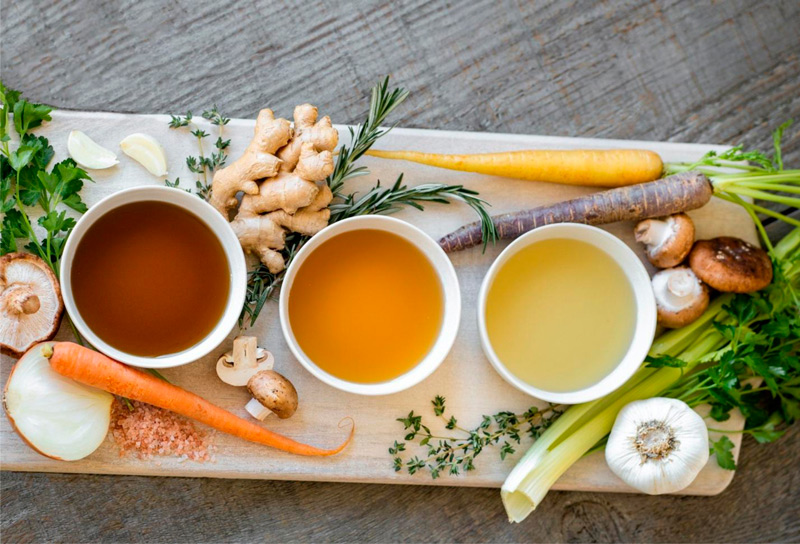
Have you ever experienced digestive issues when you are stressed or anxious? This is a red flag for Qi Stagnation. Stress and anxiety block Liver Qi which disrupts and interferes with our digestion.
Symptoms:
Bloating, gas, nervous stomach or IBS symptoms.
Acid reflux, heart burn, or belching and burping after meals.
Feeling easily full while eating just a small meal with hypochondriac pain.
Mood swings, irritability, or digestive issues that worsen with stress.
Discomfort just below the ribs, epigastric pain and abdominal distention.
Tension headaches or migraines.
What’s Happening According to TCM?
When the Liver Qi becomes stuck and stagnant, it overacts on our Stomach and Pancreas slowing digestion and causes an array of digestive issues, including hormonal and PMS issues. Emotional stress, irritability, depression and anger are huge triggers.
How to Get Digestion Moving:
Gentle movement (walking, stretching, yoga, Qi Gong or Tai Chi).
Eat bitter and sour foods (greens, citrus, green apples).
Practice deep breathing, meditation and stress management.
I prefer to create customized curated TCM formulas which may include herbs such as Chai Hu, Xiang Fu, Bai Dou Kou, Mu Dan Pi, Zhi Shi, Hou Po, Yan Hu Suo, Mu Xiong, Xiang Yuan, Yu Jin, Chen Xiang, Tan Xiang Bai Shao, Bai Zhu, and Gan Cao to invigorate the smooth the flow of Liver Qi, and blood, break up stagnant Qi, alleviate epigastric and abdominal pain, harmonize the Liver and Pancreas to benefit digestion.

If you experience sticky bowel movements, brain fog, sluggish metabolism, and heaviness in your legs you may e experiencing Excess Dampness.
Symptoms:
Sticky, sluggish digestion.
Have to wipe multiple times to feel clean after bowel movements.
Nausea, heavy limbs, puffiness.
Brain fog and difficulty concentrating.
Possible yeast overgrowth, sugar cravings
What’s Happening According to TCM?
Excess Dampness and Phlegm clogs digestion, making it difficult for our body to properly break down food. Eating too many cold, damp-producing foods such as dairy, sugar, bakery items and processed foods can exacerbate symptoms.
How to Clear Dampness:
Eat warm, drying foods (ginger, mushrooms, roasted vegetables, and nuts).
Reduce dairy, sugar, and processed foods.
Drink herbal teas (ginger, fennel, cardamom).
I prefer to create custom curated TCM formulas which may include herbs such as Dang Shen, Cang Zhu, Fu Ling, Yi Yi Ren, Bai Zhu, Shan Yao, Lian Zi, Bian Dou, Jie Geng, Sha Ren, Hou Po, Chen Pi and Gan Cao to dry dampness, regulate the smooth flow of Qi in the gut
and harmonize the Pancreas and Stomach.
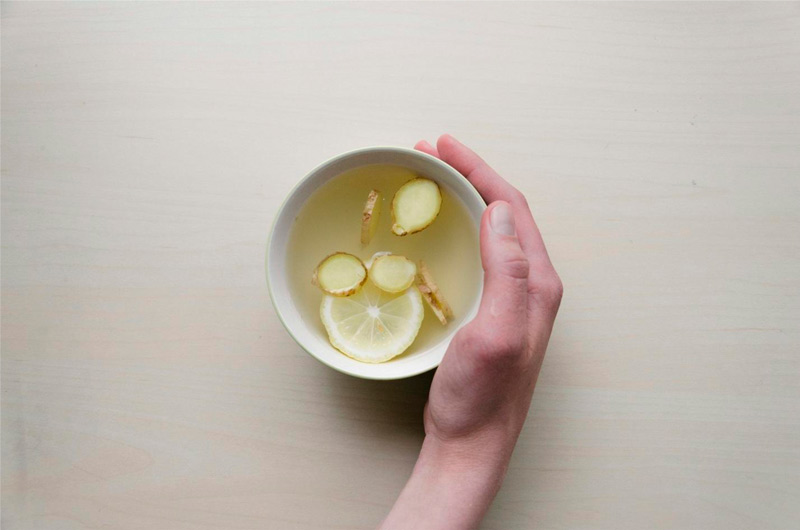
Do you frequently experience acid reflux, belching, bad breath, or constipation? These are signs of excess Heat in our Gut.
Symptoms:
Acid reflux, heartburn, dyspepsia.
Bad breath, mouth sores.
Feeling excessively hungry or thirsty.
Constipation with dry, hard stool.
What’s Happening According to TCM?
Too much Heat in the Stomach often from spicy foods, alcohol, caffeine, or stress burns up digestive fluids, leading to dryness and inflammation.
How to Cool Down the Stomach:
Eat cooling, hydrating foods such as cucumbers, celery, watermelon, zucchini, citrus, leafy greens, mint or peppermint.
Reduce spicy foods, fried foods, alcohol, and caffeine.
I prefer to create individual curated TCM formulas which may include herbs such as Huang Lian, Huang Qin, Mu Xiang, Chai Hu, Xiang Fu,
Bai Shao, Zhi Shi, Qing Pi and Gan Cao to spread Liver Qi, clear toxic heat, direct Stomach Qi downwards, regulate the smooth flow of Qi and harmonize the Stomach to optimize digestion and alleviate
discomfort.
Are you frequently experiencing indigestion with spasmodic cramping in your abdomen, epigastric pain, acid reflux, nausea or vomiting, diarrhea, rectal pain, fever or malaise? These are signs of Damp Heat in your Gut, Dysentery (traveler’s diarrhea), Gastroenteritis (bacteria or viral), summer flu, or food poisoning.
Symptoms:
Acid reflux or indigestion.
Nausea and vomiting.
Spasmodic cramping, abdominal distention and abdominal pain.
Diarrhea with lower abdominal cramping.
Possible rectal pain, fever and malaise.
What’s Happening According to TCM?
Acute or chronic diarrhea associated with damp heat invasion of the large intestine.
How to Clear Damp Heat from the Intestines:
Stay hydrated with filtered water and ginger or fennel tea to prevent dehydration.
Eat foods that are easy to digest such as soups, porridges, congees, rice, cooked fruits and vegetables in early stages of recovery.
Avoid spicy foods, fried foods, dairy, refined sugary foods, alcohol, caffeine, raw cold foods or beverages.
I prefer to create individual curated TCM formulas which may include herbs such as Huo Tan Mu, Jiu Bi Ying, Che Qian Zi, Shi Lu Pi, or Fu Ling, Cang Zhu, Huo Xiang, Ge Gen, Bai Zhi, Bai Shao, Chen Pi, Huo Po, Chuan Mu Xiang, Da Huang, Yi Ren, Gua Lou, Mai Ya, Bo He, Chi Shi Zhi , Huang Qin, Huang Lian to clear damp heat from the
intestines, astringe the intestines, alleviate pain and stop diarrhea.
Perhaps a mix between two or three (Hint: Most people are!) That is why a curated solution is best to determine the root cause and identify which imbalances must be addressed first to fully resolve any underlying digestive issues in order to heal your gut, microbiome and balance your hormones.
By cultivating the four foundations of Meditation: Mindfulness of Body, Mindfulness of Feelings, Mindfulness of Mind and Mindfulness of Mental Phenomena, we are able to manifest the positive traits of Awareness, Connection, Perspective and Potential in our everyday lives. Meditation practice offers us the unique benefits of emotional self-regulation, stress reduction, improvements in decision-making, health, vitality and wellbeing; simultaneously increasing our focus, stimulating our divergent thinking, innovation and creativity. Discover which Meditation works best for you and explore the Mindfulness of Meditation by relaxing your body, opening your heart and settling into stillness to experience the wonders of your inner world easing your life.
The Healing Art of Qi Gong
In essence, Qi Gong combines all the elements of medicine, psychology and isotonics. Not withstanding the active involvement of the patient to mobilize all the aspects of healing.
Qi (chee): The fundamental life force that permeates all things. Qi connects and animates everything in the universe, when the flow of Qi is impaired, we have disease. When it flows easily, we have balance and perfect health.
Qi Gong: The Art and science of using breath, movement, mind and meditation to cleanse, strengthen and circulate the blood and vital life energy.
If there is one concept that comes up in all forms of Asian medicine it is that of Qi, or vital energy. Qi is the very backbone of the Asian healing arts. It refers to the energy of the universe that is channeled from nature and runs through all of us. “To have Qi is to be alive, while to have none is to be dead.” Qi Gong relies on the manipulation of this vital energy. This is done through the meridians, channels that pass through all the vital organs of the body. There are 14 of these meridians, which correspond to all our organs. These meridians are interconnected, so that one runs into the other and passes throughout our body like an invisible river of energy. Anyone can learn these simple exercises to manipulate his her own Qi, this practice is known as Qi Gong.
Qi Gong masters can see this energy. They can tell when a person has too much Qi or too little, and they can use this information to diagnose illness. They can also project their own Qi externally to change the flow of energy through a patient’s meridians. Although this external Qi Gong may sound bizarre to the Western ear, even perhaps skeptical. Yet Harvard physicians who have experienced it say they can feel electrical sensations in their bodies when a Qi Gong master projects his or her healing power unto them.
This philosophy recognizes that an abundant supply of Qi is vital to maintaining health and preventing disease. According to these theories, when Qi is abundantly available, there will be no room for disease to invade. For this reason, Asian medicine pays particular attention to cultivating Qi as a means of preventing disease. When a disease does occur, it is important to restore ones Qi through various means to speed recovery. Qi Gong conditions and nourishes this vital energy to improve physical stamina, health and prevent dis-ease.
Qi Gong is a mastery of a mental or physical feat through systematic practice and conditions your adaptability. In the case of chronic diseases, researchers have showed that Qi Gong is relatively effective in treating depression, anxiety, high blood pressure, insomnia, fatigue, gastric disorders, habitual constipation.and improving the immune system. Qi Gong contributes to the treatment process through improving the body’s overall health and energy. It nourishes your primary vital energy, quiets the mind, calms the nervous system and restores vital energy that has been consumed, all the while gradually increasing the body’s resistance to disease and systematically restoring impaired bodily functions.
Negative emotions and thoughts can also be a source that contributes to pain, as those feelings impede the flow and block the movement of Qi (energy) leading to stagnation, similar to freeways at rush hour. When your consciousness is too distracted, your energy ends up serving your mind instead of your body and the healing of your pain. Qi Gong practice can help you become aware of the connection between your organs, other parts of your body and emotions. When your body’s energy flow is enhanced, your body’s sensitivity will increase and support better internal communication between your brain and other parts of your body. Stimulating the brain will increase the release of endorphins to eliminate pain and promote a sensation of well being.
If you are constantly on overdrive, there is a chronic over-excitation of the sympathetic nervous system, which results in low energy, non-restorative sleep, anxiety, stress related illness and pain. Just breathing incorrectly can contribute to pain. The restorative breathing of Qi Gong requires slow and deep breaths from the Dan Tien (below your navel) just as in yoga, tai-chi and dance. By sending more oxygen to your cells and brain, you reduce muscle spasms and open your constricted blood vessels, which are generally associated with pain.
Current Research
There is nothing paranormal about administering external Qi. The practitioners of Asian medicine believe that most illnesses are self-inflicted. If this can be interpreted to mean that dis-ease is caused by lifestyle, then the Asians are correct. Studies conducted by the National Institutes of Health (NIH) have confirmed that six out of 10 illnesses in America could be avoided, even remedied, through lifestyle changes such as; eating less, avoiding sugar, processed foods, pesticides, chemicals and plastics, exercising more, limiting alcohol and drug consumption, reducing stress and eliminating tobacco.
Qi Gong masters and other practitioners of traditional Asian medicine know that the surest way to alter the course of a disease, is to give a patient curated herbal remedies, acupuncture, a strong dose of external Qi, Qi Gong exercises and other tools to fight his or her own battles against disease.
More specifically, the NIH, in its report Alternative Medical Systems and Practices in the United States, cites an interest in “Studying omissions from external Qi Gong practitioners” to better understand the nature of the infrasonic energy that is present when they practice energetic healing. The NIH has also funded studies of other aspects of Qi gong such as the effects of external Qi Gong on cancer cells and the effects of the internal Qi Gong on such ailments as hypertension, insomnia, heart disease and arthritis.
Although, a compliant patient knows that, even though the science of Qi Gong is not completely understood, a healing force has been mustered upon their behalf to bring their body back into harmony and proper balance. As Qi Gong practitioners, they have an innate understanding of Qi Gong’s powers that most researchers will never experience first hand. People know that not all of the marvels of our complexed human body can be explained by science. There is a driving force that gives us life and help, a force that speaks to that doctor inside of each and every one of us. More and more, people are realizing they can master their own miracles by learning a healing art such as Qi Gong.
As noted by Dr. David Eisenberg of Harvard University in his book, Encounters with Qi Gong 1985: “Qi Gong combines aerobic, isometric, isotonic exercise with the relaxation response, meditation, guided imagery and probably several unrecognized behavioral techniques. It evokes simultaneously almost every behavioral intervention known to Western medicine. Perhaps the synergistic effect of these techniques can alter human physiology, especially the body’s immune system and thus influence the natural course of illness.”
According to studies of the brain, the state of mental quietness known as “Ju Ching” in Qi Gong corresponds to a state in which cortical or thinking brain activities are internally inhibited. Under the protection of such internal inhibition, the overstimulated and overworked nerve cells in the cortex can be rejuvenated and the excitability of the cortex can be neutralized.
Scientific research has also verified that Qi Gong contributes to the process of sparing energy and of accumulating reserves of energy. In some ways, these changes are measurable. During the practice of Qi Gong for instance, oxygen consumption is reduced by 31% and the metabolic rate by about 20%. This energy-saving reaction helps you get greater mileage from a smaller output of energy and helps to restore your depleted energy reserves. The reason Qi Gong is effective in treating chronic disease of the fiery XS type, as well as in restoring the energy level of the physically weak is probably related to Qi Gong’s ability to save energy.
The breathing movement of Qi Gong effectively massages the organs inside the abdominal cavity, perhaps even more thoroughly than if you use your hands. The massage from abdominal breathing, a typical breathing style of the Nei Yang Qi Gong, an internally nourishing style is especially vigorous. During Qi Gong the diaphragm may move three to four times as far as it does in ordinary breathing. In doing so, it massages organs within the abdominal cavity. This can speed up stomach and internal movement, reduce abdominal sluggishness and improve digestion and absorption. That is why the debilitated, weak and underweight exercisers, after practicing Qi Gong, will usually feel an increase in their appetites, consume more food and be able to add pounds to their body weight. Because of its massaging action, Qi Gong can be especially effective against both a depleted, chronic condition and habitual constipation.
Scientific Discoveries of Asian Qi Gong
Reference: Lee, China Healthways Institute, Scientific Investigation into Qi Gong, 1999 pg 36-54.
Within a few seconds after the Qi Gong master begin to emit Qi, the subjects EEG would begin to shift. The EEG power spectrum was enhanced on all channels while the most pronounced increase was in the frontal lobe. Also, there was an enhancement and synchronization of all channels. When the Qi Gong masters stopped emitting Qi, the EEG would gradually shift back toward the baseline readings.
Recorded effects of Qi emission by Qi Gong Masters:
* Induction of highly measurable changes in subjects brain functioning without touch, verbal communication or eye contact.
* Influences the frontal lobe, which controls higher motor and sensory function, emotional and motivational aspects of behavior and integration of the atomic function.
* Induction of Alpha state, which promotes deep relaxation and accelerates healing.
* Facilitation of the brain stem, which may indicate a mechanism by which healing occurs within internal organs.
Case Study results of Simulated Qi Emission from Infratonic QGM device:
* Reduces signs of digestive Qi deficiency in children.
* Increases immune response in rabbits based on measurements of anti-body levels.
* Speeds healing of fractures and soft tissues.
* Strengthens the physiological function of the digestive system.
* Produces analgesic effect by regulating hormone concentrations.
* Destroys the chromosomes of gastric adenocarcinoma cells.
* Improves the health of cancer patients by reducing symptoms, increasing body weight and boosting the immune system (macrophage levels). Energy breaks down chromosomes so cancer cells cannot reproduce as readily.
* Activates the natural ability of the body to heal.
Why is BREATHING so important?
Breathing is the most important part of our lives. It is essential to life. “We can go without food for months, without water for days, but we can only live without air for a few minutes.” But most of us do not understand the true benefits of consciously mastering our breathing. The lungs are the major source of Qi for our body and mind. BREATHING gives us energy! It also has a very close connection to our resistance to disease and to stress. Deep, slow, controlled breathing can substantially improve the condition of almost every function of our body and mind.
We can actually increase our vital energy, strengthen our organs and promote self healing by increasing the Qi pressure in the organs and cavity of the body. The circulatory system, the lymphatic system, the nervous system and the endocrine glands will be activated, and the blood, spinal fluid and hormones will flow more easily so that the heart will not have to work as hard. By doing this, we rid the body of waste, we improve cardiovascular function, sharpen the mind, overcome stresses, and even improve our sex life. Qi can even help us to loose weight or gain weight.
Stress causes our breathing to become tight and shallow. This will lead to dis-ease and premature aging. “Deep breathing is one of the greatest secrets to health and longevity!” Learn how to breathe properly and deeply. Zen breathing is easy to master and very effective. It involves breathing from deep within the belly-diaphragmatic breathing.
Paying attention to your body…… Self-awareness is a critical aspect of maintaining health. Take note of how you feel regularly. Best not to become obsessed, but pay close attention to early signs of pain and discomfort. Letting things go too long before taking care of them can be lethal. Do not allow small problems to grow. And become chronic issues. “Go to the source of the problem as quickly as possible.” Keeping in mind that prevention is always better than chasing the cure, and nourishing our radiant health is far better than specific prevention.
Just as self-awareness is critical to maintaining a healthy body, it is equally important in maintaining mental health, which ultimately has a profound influence on physical health and longevity. Take note if you are happy, stressed, fatigued, moody, anxious or depressed most of the time. If you are experiencing frequent bouts of anger, anxiety, stress, fear or fatigue or chronically worrying, please seek help. A lot of suppressed emotional baggage is a matter of cause and effect from our formed habits. Sometimes we need to get away from our daily routine and responsibilities to intimately (In-to-me-I-see) self reflect in nature, regroup and move forward with intention. This allows us to reset, not get stuck in negativity, become ill, make poor choices, create deep blockages in our emotional causal chain and shorten our lives. As life is too short and precious to waste on negativity.
For debilitating pain or deficient Qi, a Qi Gong or Reiki healer can use their energy to assist you in your healing through their hands to transmit their Qi to your distressed body parts. Unless the person is extremely ill, I would prefer that they do not become dependent on my energy. I firmly believe that by opening yourself up to maximizing your own innate healing capabilities, you can heal yourself through your own personal Qi Gong practices. Let your body do the work to eliminate the pain.
Our society places a big emphasis on instant gratification, aka the band-aid effect, hence avoiding the very root cause of all dis-ease. Drugs are designed to work instantly, or at least rather quickly. The internet and AI are virtually instant and the addiction to Social Media is monopolizing and manipulating people’s lives. “Natural changes, however, are generally slower, yet deeper and more profound.” If you want to become truly healthy, you must be disciplined and patient. Patience is very important! If you change your diet, a few things may change right away, but most of the real benefits take a little time, and some perhaps a long time. The same is true with exercise, meditation, Qi Gong and all of the natural means to radiant health. “They all require patience, because real positive changes generally take time.” Yet by applying all the various means to radiant health, you are hastening the health process, securing longevity and happiness.
All problems arise out of the imbalance! Balance must be applied to every aspect of our life. When a mistake is made due to imbalanced behavior, the Wise avoid the same excess the next time, while the Foolish repeat their excess over and over. Of course, it sometimes takes a few times around to see the truth in something. “Those who practice the art of balance and breathing succeed, they are known as Wise”
The Nei Kung usually is practiced while lying flat on the back with eyes closed and legs pressed together. It can be done in cross leg meditative pose, but the best time to practice, is in bed at night before going to sleep. The name literally means “inner efficiency,” and the reason for this title will be easily discerned when one has practiced it a few times. Generally, you will fall asleep while repeating the mental affirmations. “The practice will put you to sleep, if it could be bottled, it would make a great substitute for sleeping pills!”
Upon awakening during the night, you may feel a strong heat sensation flowing through you, which will have great healing qualities. At other times, when walking or sitting quietly, one may feel the heat at the base of the skull, as a flush in the cheeks or in the various limbs. “Where ever the heat is strongly felt, there is said to be a blockage.” This is the Qi at work. As the Qi energy flows to the body from just below the waist down to the soles of the feet (the so-called “bubbling spring”), it passes through the meridian channels which is the basis of acupuncture. Effects are strong and surprising to the beginner. One will awaken the next morning with much energy.
The secret Nei Kung (pronounced nai kan in Japanese) is a comparatively simple meditation that has great healing properties. To practice Nei Kung we will simply have to memorize the four affirmations, not a very difficult task. It is best to do the practice as given, without any thoughts of the results, then be surprised by the effects that develop. The sages have passed this on, “He who can keep his concentration in the soles of his feet will heal 1000 illnesses.” The meaning of this will become clear in practice, as the energy builds up and surges from below the navel to the soles of the feet, “the bubbling spring.” The spot below the navel is known as Dan Tien. There is little known of the “bubbling spring” because it is generally considered part of an oral tradition, that is usually taught by a master directly to disciple and not written.
It had almost disappeared in Japan, with the exception of one of the greatest Japanese Zen masters, Hakuin Zenji, wrote about it very explicitly and used it to great advantage in the 18th century. He attributed his recovery from illness, when he was a young man, to the instruction in the Nei Kung given him by a fascinating teacher who lived in a cave in the mountains near Shirakawa (White River Junction) in one of the coldest parts of Japan. The mountain hermit (known as Sennin in Japan ), was said to be over 200 years old and would often go without food for considerable length of time, as indeed he was doing when Hakuin arrived at his mountain cave after a long and difficult journey. But it was here, where master Hakuin learned to regain his health, by learning how to circulate and balance his vital force known as “Qi” and to bring his heart fire down rather than letting the yin of the kidney region rise. This enabled Hakuin to gain many breakthroughs in his Zen practice years later leading to Satori (sudden enlightenment).
Instruction
Lying on your back, in bed, with eyes closed and the room light turned off, press your legs together and begin to mentally repeat the following four affirmations, over and over, until sleep intervenes:
1. This Energy Sea, this Dan Tien., from below the navel to the soles of the feet, full of my Original Face; where are the nostrils on that face?
2. This Energy Sea, this Dan Tien, from below the navel to the soles of the feet, full of my True Home; what need of a message from that home?
3. This Energy Sea, this Dan Tien, from below the navel to the soles of the feet, full of the Pure Land of Consciousness only; what need of outer pomp for this Pure Land?
4. This Energy Sea, this Dan Tien, from below the navel to the soles of the feet, full of the Amida Buddha of heart and body; what sermon would this Amida be preaching?
When these formulas are repeated over and over, the effects should take place automatically, any deliberate effort to make it happen, however, will prevent it from doing so. This effect will be as healing as any practice that can be performed. All that is needed is regularity. Please note, that as time goes by you will become a bit oblivious to the cold around you and develop an inner heat that some correspond to the dumo heat of Tibet.
A few words of explanation about the terms used above seem in order of explanation; “Energy Sea” refers to the area just below the navel, where the Qi energy is stored. It is the seat of intuition and the Asian credit this as greatly influencing creativity. Healing practice is usually based on the flow of the Qi and this will flow from the Energy Sea or Dan Tien, known as the “bubbling spring” at the soles of the feet. It is interesting that the Tantriks of India worship this energy as the Shakti, having personalized this energy as the goddess who is the active, female side of the unchanging reality, Shiva. There is no more useful practice in developing the ability to actively circulate this life force, whether it is by the Nei Kung through mental practice or by Qi Gong, Tai Chi or Tai Chi Ch’uan thru physical movement. “Original face” is a term that occurs in Zen Buddhism, particularly where there is practice with the Koan ( a case or insoluble problem used in Rinzai Zen ). Show me your “Original Face” before you were born! It is a famous admonition that Zen teachers have used and it has become a favorite beginners Koan in Zen practice, both in China and Japan. Of course, it means your True Self or Buddha nature.
The “Pure Land” refers to the Western Paradise in the Chinese Amitabha sect of Buddhism (known as Shinshu in Japan). Amitabha, whose name is Amida in Japan, is the non-historic Buddha of infinite light. Gautama Buddha, the historic Buddha from India ( who lived 2500 years ago), is supposed to have told his followers before recorded history, there was a great Bodhisattva ( enlightened being, one on his way to becoming a Buddha ) who took a vow that, if he should succeed in becoming a Buddha, he would save all beings and if they remembered his name just 10 times, he would take them, no matter how sinful they were to the Western Paradise, the “Pure Land” where they died. There they would enjoy ideal conditions to continue their practice of Buddhism and eventually attain “Nirvana.”
Recently in Japan a master of about 90 died. Some years ago I spent an interesting time with him and believed that he was possibly the last master of Tai Chi Gik, a self-defense form of Tai Chi in which he could paralyze an opponent by touching him in a particular spot. This would stop the flow of the vital force and leave the opponent helpless, and it is believed that for this reason, the practice was abolished. His energy was so powerful. It was from this master that I learned the Nei Kung.
This master, whose name was Itako, suggested lying nude on the earth, facing up to the sun, so as to take in the Yang of the sun and absorb the yin of the earth at the same time. He felt that this was the best way to practice Nei Kung, for those who have the privacy to do so.
Working with the breath is known as the Great Circle Meditation, along with another form of meditative breathing, together make up what we call Reverse Meditative Breathing. I recommend that this type of breathing be practiced as a preliminary to all other meditations, for it quiets the mind. There is also a form in a moving meditation, Tai Chi Chih, known as the Joyous Breath, or the Standing Horse and this can be practiced while standing as a preliminary to other forms. The Reverse Meditative Breathing, while an excellent preliminary, is in it self the meditation of the highest efficiency and can lead to a state of deep immersion. It is energizing and generally should not be done just before bedtime, as it may prevent restful sleep. The healing effects will be obvious to the one practicing it regularly. There are deep spiritual effects also, as the first part of the Reverse Meditative Breathing is almost synonymous with the developing of the Golden Flower, (the immortal spirit body spoken of in such esoteric works as The Secret of the Golden Flower - only the movement of the eyes is different). In particular, these meditative breathing practices make an excellent preliminary to mantra meditation. Those who do not now obtain good results with their regular attempts at meditation should discover that Reverse Breathing techniques will greatly increase the efficiency of their own form of meditation.
In this busy world, perhaps a typical example might be the following:
Arriving home in the late afternoon or early evening from the stress of surviving rush hour, fresh off the crowded freeway, the meditator finds he has about 45 minutes before he is to dress for dinner and decides to use his time for a sitting of meditation. His mind is full of the activities of the day and his face shows the tension of driving through heavy traffic, yet he immediately sits down, closes his eyes ...... begins to repeat his mantra or whatever form of meditation practice he is doing. The mind does not turn off that easily and soon memories of the day, plans for tomorrow and idle daydreaming intervene. If he is tired, the sudden relaxation may put him to sleep. In most cases, it will be difficult for the mind to be clear and still, not active but aware, so that he can meditate properly. It is difficult to have good meditations when the mind is fuzzy and dull, and this is particularly true of mantra meditation.
In these circumstances, if he will do Reverse Meditative Breathing for 5 or 10 minutes, he will be invigorated, the mind will probably cease its endless “monkey chatter,” and then if he drops the mantra into the ensuing silence, he should obtain quick and effortless results. The effortless part is important, as effort in meditation has the opposite effect from that intended. “It is the asset of no effort that gets results!” I am always amazed at how quickly newcomers attain the state of pure consciousness when working with a mantra for the first time - if they preceded their meditation with two reverse meditative breaths. Often in just eight minutes of silent practice, three quarters of the beginning meditators have entered this pure state of consciousness called transcending. “This is a remarkable result!”
From the Asian point of view, the importance of the Reverse Meditative Breath can be surmised when we know that the ultimate in meditation is to mix the essence, vitality and spirit so as to attain immortality. This is exactly what we are doing in the orbits of the two Reverse Meditative Breaths.
These two circulating breaths have great power on their own. Finishing the nine orbits, one is usually in a state of great quietude, so it is obvious that these breaths prior to meditation are really powerful. In some ways they resemble the backward flowing method of the Tibetans and Chinese, transmuting the sexual energy into something higher. For this reason, let me remind you, Reverse Meditative Breathing is greatly energizing and will interfere with sound sleep, therefore should not be performed just before bedtime. (There is one exception to this, nocturnal emissions or nocturnal incontinence; one should awaken at 1 am and perform 9 macrocosmic orbits of Reverse Meditative Breathing ........ nightly ejaculations and incontinence should stop and one should awaken with a tremendous amount of energy each morning).
Part I Instruction
We will begin with a visualization, first, close your eyes. Now imagine that you are seated on a fleecy white cloud, which comes up over your hips. It is soft and buoyant and gradually it lifts you off the ground as it begins to soar aloft. Up and up goes the cloud, with you seated comfortably on it. Now high above, you see a great waterfall in the sky, a waterfall of “warm golden light” cascading down. Gradually your cloud approaches the base of the waterfall and now as you reach it, the moist “warm golden light” pours down over your head. You are engulfed by the golden light.
The warm feeling breaks thru the top of your skull, down past the eyes, nose, the mouth and chin. Bathing you internally with “warm golden light,” it goes down past the shoulders, the chest and the abdomen coming to rest at the Dan Tien, two inches below your navel.
After resting there a minute, the “warm golden light” rises to the belt and splits in two, one part going to the right and one to the left. Reaching the sides, the two rays start down again, past the two hips, to the thighs, the knees, the calves and the ankles, finally reaching the soles of your feet. And there you sit, with the soles of your feet bathed in the “warm golden light,” all of this should be vividly visualized.
After a moment’s pause, we bring the light up the inside of the leg, passing the ankles, the calves, the knees and the thighs ...... then reaching the pelvis and coming together at the Dan Tien below the navel.
Now the light goes between the legs to the base of the spine and begins a slow ascent, reaching each cell of the back as it works its way up towards your head. From the base of the spine of the moist warm light .proceeds to the small of the back, the middle of the back, the shoulder blades, the shoulders and the base of the skull, where there is often the greatest blockage. From the neck where the skull begins, it rises slowly until it reaches the top of the head, where it rests ....... splashing down like a golden shower over and through the head. We have now returned to where we began, having made a “grand orbit.” This is the best way for you to start each day, having the waterfall splash down over the skull and then the warm golden light working its way down to the soles of your feet, then back up to the top of your head. This should be performed once and then the smaller macrocosmic work should follow. Generally we perform these circles nine times, but in the event of a lack for time, three times can be affective as well.
If the truest thought can now be easily experienced, you should begin the smaller macro cosmic orbit, which will make up the bulk of your practice with Reverse Meditation Breathing. The trip to the soles of the feet is valuable and many choose to begin by breathing in through the soles of the feet or even a sexual organ, beginning the ascent from there. However, the small orbit in our main practice will start at the Dan Tien. After our first trip, utilizing the waterfall and the descent to the feet, we will be content with a circle that goes from the small of the back to the top of the head and then down to the Dan Tien.
We began the smaller orbit by starting at the Dan Tien, taking the light between the legs, then slowly up the back. Rest at the top of the head for a moment or two, and then come back down the front to the spot two inches below the navel, Dan Tien. Continue this orbit eight more times, adding the proper action of the breath, the eyes and the anus, as described below.
The Breath; as the lights start up the back, touching every cell, we begin to breathe in, expanding our chests in the abdomen as we do so. By the time the light reaches the top of the head (where we rest), we have breathed in as much as possible and expanded greatly. At the top of the head we hold our breath. This is an excellent time to insert a mental affirmation.
Then start down by exhaling through the nose, with mouth closed, separated in four sections. That is, as we breathe out a little; 1) the light comes down to the chin, then we breathe out some more 2) the light reaches the chest, breathe out some more, contracting as we do so 3) the light reaches the diaphragm, and finally, 4) as all the breath is being expelled, the light reaches the Dan Tien. We rest there with the stomach contracted tightly against our spine.
The Eyes; now that we have mastered the expanding-inhaling breath going up and the contracting-exhaling breath coming down in four levels, we can learn the correct eye movements. These movements of the eyes take place even though the eyes are closed.
As we take the light up the spine, and breathed in, we raise the eyes, using them as a lever to bring the light up. We begin with the eyes, which are closed, focused on the Dan Tien below. Then, as the light comes up the back, we breathe in, the eyes are gradually raised until they turned to the top of the head, as the light reaches the top and the breath is full and held. In effect, we feel as though the action of the eyes is bringing the light up the back.
Starting down the front, as we breathe out in four levels, the eyes gradually are lowered, until, by the time the light is back in the Dan Tien, the eyes are once more focused in that direction.
The Anus; there is one more action to learn in making the small orbit. When the light, having come through the legs to the backbone, starts slowly up the spine and we breathe in and raise our eyes, we contract the muscles of the anus and hold them tight until the light reaches the top of the head. Then, after the pause, as the light starts down with the breath being exhaled in four sections and the eyes are being lowered, we relax the muscles of the anus gradually, until they are again normal, as the lights again reaches the Dan Tien.
All this takes time to learn, but it is not really complicated. We began by visualizing the waterfall and taking the light to the feet, and then back up the spine to the head, but with each circle thereafter, we start from the Dan Tien, taking the light thru our legs and start up the back, taking proper action with the breath, the eyes and the anus. “We must come back down to the Dan Tien in the four sections.”
This is a very powerful meditation as it does have the power of arousing the Kundalini, thus causing sexual excitement. However, it is balanced by the fact that it transmutes the sexual excitement into a higher form of energy.
Part II Instruction
We are now going to learn the second part of the Reverse Meditative Breaths. This part is much simpler, but first, I think it would be most helpful to discuss the meaning behind the movement.
It is believed in India that there are two channels, known as Nadis, that reach from the left and right eye down to the spot between the legs, below the sexual organs. They are called ida and pingala, they are said to crisscross in figure eights on the way down to the terminus between the legs. However, for our purposes we will visualize them as being straight.
The intrinsic energy known as Prana or Qi is said to descend and ascend through these channels corresponding with the breath. However, in the case of an enlightened saint or sage, the Prana is said to at times to come up through a hair thin central channel known as the Sushumna. Such Saint-poets as the Tibetan Milarepa have written of the great ecstasy of sexual climax and for the enlightened one, it frequently last for longer periods of time, especially in the Tibetan practice known as the left-hand Tantra, utilizing a backward flowing method. This bliss is deliberately cultivated through an unusual sexual contact without discharge.
I find it necessary for us to know this, because we are going to take the breath down through the outside channels and then “shoot it” up to the center, visualizing it entering the Sushumna or better known as the central channel.
We begin by imagining the warm golden light starting on our right side and our left side, at the heart level, working its way down the outside channels, as we breathe in and expand. The light is visualized as going down, though the breath is being taken in. When the light reaches the spot below the sexual organ (the two sides emerge there), we rest a moment and then contracting the anus tightly, we shoot the light up the middle channel as we breathe out and contract the stomach and chest. Going down the sides (at this point it appears to be two lights), we breathe in and expand; shooting up the center, we breathe out and four sections (as we did in the previous breath) and raise the light to the heart level (not beyond) as we contract. There is no eye motion with this breath, but the eyes are closed so that we may vividly visualize what we are doing.
This is an intensely powerful breath and it is suggested that it is not to be performed more than nine times. It does stimulate sexual energy (which the other breath can transmute, if so desired), and may even cause psychic experiences at first. However, this is not our main focus at this time, so please ignore them.
The two breaths together are greatly revitalizing and should heighten your energy level considerably. Nine times doing each breath, followed by a period of serene rest and the emptiness one usually feels, is not only revitalizing, but tends to stimulate creativity and intuition.
It is suggested that you start all your meditations and sessions with these breaths or with the chanting of a Mantra followed by these breaths, and then perform your own form of meditation. Remember, it is best not to do these breaths before going to sleep at night.
Please do not worry about any of the references made to visions, sexual stimulus, psychic abilities or arousing of the Kundalini. These were made with the idea of educating you to all the possibilities, but with most meditators, doing the Reverse Meditative Breathing will be a happy and profound experience. “Our thoughts and breath are two sides of the same coin; when the breath is stilled, the mind is usually stilled.” In fact you may notice that as you follow the breaths or a Mantra, which harmonizes the breath, you may find it difficult in detecting the natural breath. This is a good sign, as immersion in meditation usually occurs when the breath has become almost nonexistent. In Samadhi, the super conscious state, there is no visible breathing at all, and this state is usually associated with great bliss.
Whether your two breaths be treated as ends in themselves, or used as preliminary to other meditations, they have great validity and contribute to a state of equanimity that is very salutary for the well being of your health.
A Mantra is a special formula, a word or group of words possessed of great power. It represents a name or aspect of God, and was supposedly revealed to a sage in India after long periods of austerity and meditative discipline. Most high-caste Indians have been initiated into their Mantras by their family teachers, spiritual advisors or vedic astrologers; some use them for meditation, some for constant repetition to encourage devotion and others for near magical powers. “The basic doctrine underlying Mantra Shastra is that all this hard and tangible universe which we behold around us, is made up of different kinds of vibrations or energies working at various levels”.
A Mantra is a specific sound or tone which, when spoken or chanted, can invoke a spiritual essence. A Mantra does not have to be said aloud. It can be repeated inwardly. To raise the frequency of the body, you have to bring yourself to a vibration of upliftment. As you repeat the pure tones within yourself, you actually become that word, that frequency. And when you have become that, you have lifted yourself into another dimension. “In other words, when we, through meditation or concentration, use a Mantra of pleasing significance, in time we will actually become that which we have created.” This type of concept is, of course difficult for the outgoing Western mind, but there is no doubt that we are influenced, and even shaped, by that on which the mind dwells.
There are many groups that use Mantras as a form of meditation. There are sounds that originate from various dimensions and planes of being. Some originate from what we call the lower worlds; the astral, causal, mental or etheric realms. When chanted, these tones will lift you to that level from which they get their energy. They invoke the essence of perfect purity, that which is blameless, sinless, pure in all ways. The aim of using Mantras is to provide and harmonize the increasingly sensitive subtle layers of one’s own consciousness. We purify the spiritual heart or nervous system and find the cosmos contained within.
As you chant sacred tones, you bring the essence of purity into yourself, and it begins to replace the negativity that is often within. These tones are tremendously powerful. There will be changes occurring in your consciousness as you intoned them. Because these tones originate from the highest realms of light, they will tend to draw your consciousness up. It is important that you do not use these tones while you are driving a car or working around machinery. They should not be done in any situation where you need your conscious attention and focus.
The Indian Rshi (sage) says that all creation proceeds from sound (Nada) and the unheard sound (Para or Vak) that is prior to vibration or manifestation, and that all vibration ultimately reduces to the sound OM, from which creation is supposed to have proceeded. The Yogi says that the universe is a result of an idea and every idea is the result of sound. Each thing has a natural name which is the sound produced by the action of the moving forces which constitute it. “He who mentally, or vocally, utters with creative force the natural name of anything or any being brings to life whatever bears that name.”
In other words, when we, through meditation or concentration, use a Mantra of pleasing significance, in time we will actually become that which we have created. There is some dispute as to the importance and benefits of pronunciation as it plays out in Mantra meditations. Indian teachers usually insist on exact pronunciation of their Mantra, and yet I would like to share a favorite story of mine ......... the following instance show perhaps that faith and perseverance may be more important.
The Sufis, who are said to represent the mystical arm of Islam, have long taught that one who repeats the sound “Hoo” or more complete “YaHoo” will derive great benefit. In this respect “YaHoo” could be called a Sufi Mantra. One time a great scholar traveled to a small village by a lake and overheard someone chanting this sound in a small hut, and entered. “No, no, you’ve got it all wrong,” he reproved this simple man who was sitting there practicing. “Let me teach you the correct pronunciation,” he offered and the simple man was so delighted.
After a few minutes of instruction, the scholar left, walked down to the lake and hired a boat to ferry him across. When the boat had been rowed to the center of the lake, the scholar looked back at the receding shore and noticed a man running to the Lakeshore from the hut that he had just left. Then to his amazement, he saw the man step onto the water and run across the surface of the waves until the man at last arrived at the boat holding the scholar. Sir, “I am so stupid, panted the man as he came running up, I’ve already forgotten your instruction!” “Will you tell me again that correct pronunciation?”
This would seem to indicate that devotion and perseverance are more powerful, even if the pronunciation is not correct. It is said, that even the wrong means in the right hands, will get results.
Instruction
There are many techniques in using a Mantra. The first one we will study is the harmonizing of the Mantra called Ham-Sah (more advanced usage would be backwards, called So’ham ), Ham- Sah being the Divine Swan of Indian Mythology.
In this meditation we are going to harmonize the two syllabled Ham-Sah with the natural process of breathing. Eyes closed, seated on a chair or in cross legged position on the floor, mouth held shut and breathing through the nose, with the tongue pressed against the palate of the mouth, we begin. As we take a natural breath, we mentally repeat Ham; breathing out, we mentally repeat Sah. Breathing naturally, we repeat Ham-Sah for 15 to 20 minutes, building Vashana (habit energy) of Ham-Sah. We will begin to experience a period of Pure Consciousness (the Turiya state) during meditation. This means we will lose the Mantra and stop uttering it mentally; sights and sounds will disappear and breathing will become almost imperceptible, the rest takes place naturally.
If we have performed two Reverse Meditative Breaths first, it should be easy to quickly succeed with our Ham–Sah practice. Then we will experience a surcease from bodily and mental pressures; naturally, this will support in some healing benefits. There are also deeper spiritual rewards of which we may not be aware. Many teachers feel that ultimately all illness proceeds from a spiritual base, the spiritual benefits will certainly have an effect on helping chronic ailments. The experience of deep Pure Consciousness may appear to be asleep, but actually we are awake but not reacting; there is no conceptualization going on, all activity is in a latent state, and the tape recorder of the mind, with its eternal chattering, has been turned off.
After doing the Mantra, Ham-Sah for several months, we may notice one day, that the process reverses. That is, unknowingly, we mentally repeat So as we inhale and Ham as we exhale. The change can be made deliberately if it seems more natural to chant So’ Ham rather than Ham- Sah. So’ Ham literally means “that I am, the reality”, calling attention to the Divinity within the meditator. Some teachers in India say, it is the way to acquire supernatural powers. Either practices, repetition of Ham-Sah or So’Ham, are well known and highly regarded in India..
Once we have chosen a Mantra, or have been initiated with one, we stick with it the rest of our lives; there is no reason to switch. The great 15th Century Sufi Saint, Kabir used Ram all his life, having been initiated with it by the great teacher of his time, Ramanuja. There are several different techniques or modes of Japa (repetition of a formula), I will describe three that I am familiar with, as follows;
Likhita Japa
This is the least known technique, where one writes the Mantra in a predetermined number of times, usually in the form of a lotus, a holy figure or some other pleasing representation. This may be done 108 times, corresponding to the number of beads in a mala (Indian rosary), or some multiple of this number, such as 1080. This “writing Japa” is very effective in silencing the mind and making it one- pointed in concentration on the Mantra. Writing is a wonderful way to focus on something.
Vaikhari Japa
This is the most common form of Japa in India; it is the audible chanting of a Mantra while fingering the 108 beads of the mala, so as to count to the predetermined number of repetitions. There are traditional rules for operating a mala; such as covering it with a towel, using the thumb and third finger exclusively and not crossing the 108th bead as you reverse the progression. Oral Japa has all the benefits of chanting; we lose ourselves in it, and centers our mind on a sound, that we may have found pleasing. It is believed to have great spiritual powers.
Manasika Japa
Manasika Japa is known in the Western world as Transcendental Meditation, is as old as India and is difficult for some people to actually do, as it means repeating the Mantra mentally. Some like to place the Mantra at the third eye spot, while others prefer to locate it just below the navel at the Dan Tien. Actually, I find that while chanting this formula mentally in Manasika Japa, it will usually find its own location. Unlike the practice of other forms of Japa, in Manasika Japa we keep the eyes closed. Whether we sit in a cross legged position or in a straight-backed chair, repetition of the Mantra will build a big Vashana (energy).
It is highly effective in releasing stress and healing the body and mind. It greatly nourishes our psyche and as we become more accustomed to this release and relief through continued practice, we find we do not want to do without our daily meditation.. It represents a time of recharging our batteries and becomes a center from which our existence is renewed. Therefore, this form of Japa should not be done at night before going to bed, as it will probably prevent sleep. Actually, this state of Pure Consciousness is more restful than sleep itself. We tend to touch the source in this practice.
Manasika Japa should not be practiced for at least two hours after meals. When the breath slows down and becomes barely perceptible, as happens in successful meditation of this kind, there is not enough oxygen being taken into digest the food. This is a very important point. “The more consistent that one becomes with meditation and breath, the more one becomes selective with their nutritional intake.”
All forms of repetition; written, oral, muttered or mental are beneficial. Japa will be more meaningful if one uses a sound of spiritual significance, but concentration on any one thought, to the exclusion of others, will achieve results.
Which ever form of Japa you do, you must have a Mantra with which to work. If one is fortunate enough to be initiated by an Indian master, Vedic astrologer or Spiritual advisor, well and good. If not, the meditator can choose his own Mantra. I would then suggest any one of these three sounds such as; “Light, HU or Joy” for those who do not wish to use a Hindu name of God. These three words have spiritual impact and one can build a meditation Vashana (habit energy) with them.
One must remember to do the mental repetitions in a quiet place where there will not be sudden noise such as shouting, telephones or dogs barking. The nervous system becomes extremely sensitive in deep meditation, and to be brought out of the immersion suddenly and violently will definitely not be very healing. Japa meditation is particularly healing for those with heart conditions such as hypertension or atrial fibrillation, as they should find the complete rest of the thought- free period to be the best medicine they can have. With patience and regularity of practice, those with chronic ailments may find marked improvement and achieve a contented frame of mind.
There is another form of meditation that achieves exactly the same results as Manasika Japa, that is, it enables the meditator to enter the trance like state of Pure Consciousness through a mental repetition. Here we do not repeat a name of Divinity of a spiritual formula; we simply breathe naturally and count either the in-breaths or out- breaths. This type of meditation is called Breath Dhyana; the word Dhyana meaning meditation in the Sanskrit language. There is no devotion implied in this meditation. We simply work with the physical mechanism, using the breath as our key to deeper states.
We do not want the mind to grapple with higher numbers, as they might be distracting, anchoring us to the counting. In effect, the numbers are simply tools, harnessed to the breath and we want them to drop away naturally as the mind achieves the thought- free state. Therefore, seated or laying comfortably with back straight, eyes and mouth closed, and tongue resting at the roof of the mouth; we begin to count either our in-breaths or our out-breaths, but not both. If the count reaches ten, then we begin at one again. We breathe naturally and may even notice, after beginning with the Reverse Meditative Breaths, that the breath has become so subtle that we can barely find it. This is a salutary sign.
Acupuncturists, Psychologists, Psychiatrists and Hypnotists use this form of meditation with their patients to support the trance state which leads to the greatest benefit of relief from stress and tension........ “let alone that it is the easiest meditation to do and learn”. One makes little continued effort, yet the Mantra or Breath Counting takes over and leads the way. “Cause leads to effect!”
In our hectic world of today, where so much diversion and so many stresses fight for the attention of the mind, there is usually real bifurcation of thought. One- pointed concentration is rare. Rather, the mind jumps incessantly from one fear, one hope, one plan and stimulus to another, without surcease. When this type of meditation is regularly practiced, the mind and body will receive incredible relief by laying down the burdens. Resting in complete abstraction, for a while, there is a complete absence of strain.
Only one man in historical times has been called “Buddha”, meaning “Fully Enlightened One,” “The Way of Mindfulness”, known as Satipatthana in Indian languages. It serves one well to remember that the Buddha was not born with this great enlightenment, nor did he claim he was God, or that he received divine revelation. A prince of the Shakya country in northwest India, he left his wife and child, as well as his patrimony, out of compassion for the suffering of all beings and became a wondering mendicant in order to achieve enlightenment and to use it for the benefit of all.
As a meditation, the Satipatthana is a complete psychological system of self-discovery, its power will make an enormous impact on the meditators life 24 hours a day. So much of our life is lived unconsciously, Zen says, “when eating, there should be only the eating, when thinking, there should be only the thoughts.” “Isn’t that what we all do?” No, a thousand times no! When we are eating we do not even taste the food because the mind is wandering. And one thought leads endlessly to other thoughts, beginning long chains of association that end in attachments and webs, bringing misery in our awakening states. In this unknowing way we create our Karma, the inevitable reactions that follow actions; resulting in physical, emotional, mental and spiritual imbalances among other things.
This is not a meditation that will lead to trance like states. It will greatly enhance our feeling of the here and now, as we unavoidably learn what makes us tick, what tricks the minds play and how we really react to our world each day and night. It may even change our mistaken self- image. In short, it does away with the delusion and illusion.
We began our practice by watching our state of mind in becoming aware of our posture, without correcting it, during the day and the night. Soon we notice that there is a definite relationship between the two. The Satipatthana encourages, even forces, awareness of what is happening inside, as well in the world around us. We simply note, without condemnation or approval. We become aware of our thoughts, reactions and sensations, after a while, our regular sittings in Satipatthana become almost unnecessary. We are doing the meditation all the time.
The effects of Satipatthana practices are startling. For the first time, we see how we actually operate, and develop true self knowledge. This meditation in the beginning, can hit one like a bullet. Psychologically, all sorts of unconscious neurosis may disintegrate with this practice. A strong realization of impermanence may be gained, unwillingness to recognize the impermanence is a great source of all suffering. We may even become aware of our own disagreeableness, our sudden moods and our constant judgment of everything that occurs.
This meditation has great validity in the fields of psychiatry and psychology. It helps to heal the sick mind. Delusion brings incessant cravings, followed by jealousy or hatred in some form, so relief from delusion is greatly desired. It is said that Satipatthana in many ways, is the “King” of all meditations, and completely practical for our mundane everyday lives.
Instruction
When we are ready to commence formal sittings, we take our seats in either Cross legged or in a chair. Plan on spending approximately 40 minutes at first, as we will spend 10 minutes on each of the following four categories: Mindfulness of the Body, Mindfulness of Sensation, Mindfulness of the State of Mind and Objects of the Mind.
Our basic focus will be on the breath, the rising and falling of the diaphragm and we will come back to it each time that there is a temporarily shift of the wandering mind. Sitting, watching the breath and being aware of the posture, the mind is ready to receive any other impressions. A thought comes in, we make note of it as, “Objects of Mind” and since it stimulates the mind quite a bit in this instance, we look at the “State of Mind,” which we find to be one of the expectancy.
“Expected Mind” or “Eager Mind” we make note of it.
A draft from the window sends the chills through your body, we recognize the feeling and the fact that it is unpleasant. “Who was a fool to leave that window open?” We make a note; “Mind with Resentment” - our feeling toward the unknown perpetrator.
Perhaps we have decided in advance to sit for the 40 minutes, but after 15 minutes have passed, we are beginning to feel uncomfortable. Make a note of the discomfort; the fact that it is displeasing, we slightly shift our position, feeling guilty that we are doing so; “Mind with Guilt”. Then back to watching the breath rise and fall, our basic meditation.
And so our observation goes, never stopping. Eventually, we will carry out these categories automatically night and day, which may even influence our dreams as well. Regular sittings are helpful, but Satipatthana meditation goes on all the time.
1. Mindfulness of Body ....... First 10 minutes, we watch the rise and fall of the diaphragm in breathing, thus becoming “Mindful of the Body.” We breathe naturally without counting the breath. The diaphragm rises and falls; we are breathing. Sometimes it is a long breath, sometimes it is a short one. In Zen it is said, “If it is a long breath, so be it. If it is a short breath, well and good. We change nothing; we are just aware of our breathing.” We pay attention to our posture during the day, being “Mindful of the Body” in this way.
2. Mindfulness of Sensation ....... The next 10 minutes, we shall turn our attention to our sensations, inner and outer, all that we experience. Noting the feeling of our backside perhaps slouching or even touching the chair, we become aware of a slight sourness in the stomach, a tingling sensation perhaps at our feet or even a slight breeze as it touches our cheeks, we make note of that. And each time we are aware of a sensation, we also making note of whether the reaction is pleasant, unpleasant or merely neutral. This is how the mind works; it classifies things. Therefore we watch our mind classifying!
3. Mindfulness of the State of Mind ....... For the third 10 minutes, we shall introspect our “State of Mind,” which is constantly shifting. This perhaps, may be the most difficult of the four categories. We become restless, feeling that the meditation will never end and we merely make a note; “Impatient Mind.” We may even wonder whether all this practice has any meaning, so we make note; “Doubting Mind.” Nothing escapes us! Perhaps a motorcycle makes a loud noise outside, startling us, and we make note; “Mind with Annoyance.” As we try to watch our “State of Mind” during the day, along with our posture, it is a practice that really leads to a non-attachment, even to our own thoughts and moods.
4. Objects of Mind ....... We sit the last 10 minutes practicing the most inclusive category. This is the closest to Zen practice and generally appeals to the intellectual type. Actually, all perceptions and thoughts are “Objects of Mind.” We hear a noise in our home and we make note of it. We smell the fragrance of honeysuckle and jasmine blowing in the breeze on a spring afternoon through our window and we make note of it. Seeing the Tibetan meditation rug in front of us, we are consciously mindful of it. A sudden memory flashes through our mind, and we observe it. If we consider the mind as a “6th sense” in Buddhist contemplation, then whatever comes to us through the senses is an “Object of Mind.” It is not easy to make note of all perceptions, let alone thoughts, but with practice, we will be able to do so.
Our basic focus will always be the breath, the rising and falling of the diaphragm.
Simple in execution, yet it is profound in effect. Faithfully practiced, it is capable of bringing one to sudden insights that can change lives, even to the “Satori” ( sudden enlightenment ) experience. A complicated metaphysics of healing; all things change, so there is no permanence. What is not permanent, is ultimately, not real. Buddhism says that the transitory is simply a transformation, as the seed becomes the tree, the tree becomes timber and the timber becomes ashes.
So what we see, what we feel and what we think, is really empty - empty of any enduring self nature. We have come to realize that all things are empty, yet we do see and feel the phenomena of the world. The two together, the empty and the phenomenal - are but symbols, arrows pointing to the mean. Therefore, it can be seen that such contemplation demands a deep and dedicated mind.
Chuang - Tzu, the great Chinese Taoist philosopher, often wrote of the “fasting mind,” the mind that gradually pares away the unnecessary rather than piling up continued mental debris. This is difficult for most of us, as we form great attachments. Yet, it is the only way we can remain with the natural as opposed to the artificial, and function spontaneously instead of blind habit.
In Buddhism, true “fasting” means doing without greed, anger and delusion; these are the three that bring suffering and are at the base of most illnesses. By practicing Chih K’uan, we will be able to attain this “fasting mind” and rebalance the mental and physical within. Do not underestimate the effects of this simple meditation.
Part I Instruction
Seating ourselves in either cross legged position or in a chair, we concentrate intently on one spot in the body. We choose either the Dan Tien below the navel, the tip of the nose, or the third eye spot slightly above and between the eyes. This is our thought; this intense concentration in such fixation is called “Chih.” Although, theoretically, we can have only one thought at a time, our intense thought is concentration on one spot in the body, in actual practice the mind tends to wander.
There is nothing wrong with the mind wandering, it is natural in the beginning, but it is important to realize that we are wandering and bring the mind back to the point of concentration. However, if the thoughts become heavy and infrequent, as they probably will, we drop the intense concentration and just watch the thoughts as though we are watching a parade; we do not identify with them. This is “K’uan.”
Where did the thoughts come from? Where are they going? We just watch them without any attempt to analyze or alter them. When we watch our thoughts in this manner, without getting caught up in them, they will disappear. Then we return immediately to the “Chih,” the basic concentration on a chosen spot in the body.
It would be preferable to do the Reverse Meditative Breathing first, as they are really helpful and will still a wandering mind before we even start our meditation. The results of “Chih K’uan” should be a wonderful experience if practiced regularly for 30 minutes at a time.
Part II Instruction
We close our eyes and concentrate intently on one of the three centers in the body; the forehead, the nose or below the navel, Dan Tien. Then we mentally call out, “Amitabha! Amitabha!” Something echoes in the mind and we listen. Where did these sounds come from? Who uttered it? Who is hearing it?
When we introspect that thought, or silent sound, in the manner above, that name will disappear and the mind will, for the moment, be totally silent. Then we return to our basic meditation, the intense concentration on one of the body spots.
Many realizations as to the meaning of Impermanence and ultimate Emptiness should come to one who practices Chih - K’uan faithfully. Do not underestimate the effects of this “simple” meditation!
There are many Eastern visualization meditations and perhaps the most famous one is the Tibetan Dumo Heat, but here in the Western world, one that is most favored among those that meditate is a very simple one, referred to as “Discovering your Inner Sanctuary.”
This visualization meditation will help you begin to establish the practice of moving your attention within, finding a place of relaxation of peace and connecting to your inner wisdom. Quietly be open to receiving, sensing or feeling what that wise part of you may have to say in answer to any of your questions......... It may come to you in words. It may come to you in an image. Or maybe just a feeling. Take whatever comes and allow it to enter into your awareness. It’s all right if you feel that nothing is coming; it may come to you at a later time, as it does not always surface upon request, just except your experiences without placing judgment.
In the event you may have thought of additional questions you want to ask your inner guide, do so. You can ask for help, for support, for direction, for love, for clarity ....... go ahead and ask for whatever you desire or need for your highest good. Whenever you ask, the door will open for you to begin to receive whatever your heart truly desires. So simply assume now that whatever you are asking for is beginning to come to you. It may come in a different way than you expect but it will always come.
By finding this deep, quiet, restful place within yourself you are in contact with your own deepest wisdom, your own natural inner knowingness, the part of you that is very wise and knows everything that you need and want, it is able to give you guidance in your life, moment by moment. Even if you do not feel it or do not quite believe it, just allow yourself to visualize, pretend or imagine that it is there. Whether or not you feel it or believe it, it is always there within you ....... always go with what feels right for you.
To begin the meditation, get into a comfortable position, either sitting or laying down. When you are comfortable, close your eyes and become aware of your body, just notice how your body is feeling right now. If you notice any tense places in your body, gently breathe into those places, and imagine them relaxing and all unnecessary tension releasing and dissolving.
Instruction
First place your attention on your feet and imagine relaxing them. Next, place your attention on your ankles and the calves of your legs and gently relax them........
Next, bring your awareness to your sides and your hips. Relax the upper part of your legs and your whole pelvic area. Gently breathe into the lower part of your body and feel it become very relaxed........
Now, place your awareness on your abdomen and in your stomach, the area of your internal organs and imagine all your organs relaxing, functioning easily, comfortably, healthfully and smoothly........
Relax your chest and relax your shoulders, your arms, your hands and your fingers ........ Put your awareness in your neck and throat, and imagine this part of your body relaxing completely. If there is any tension in this area, imagine it flowing down through your arms and out your fingers, out onto the floor and down into the earth.
And now, relax your head, your face, relax your scalp, your ears and your eyes........ and your nose. Let your awareness scan through your entire body, from head to toe, from toe to head and feel your entire body, deeply relax. Imagine that you can feel life energy flow smoothly and freely through your entire body. If any area feels tight or tense, gently release it and feel that energy flowing through it.
Take a deep breath, and as you exhale, release any last holding that you are doing in your body. Feel your body totally relax........ Take another deep breath, and as you exhale, relax your mind. Pretend that your mind is just another muscle in your body that you can now relax. You do not have to hold onto any thoughts. You can let everything go for right now, and let your mind become very quiet, very slow, even a little bit out of focus.
Take another deep breath, and as you exhale, move your awareness into a very deep place inside of you. Now imagine that you are walking down the most beautiful path on a warm, breezy, sunny afternoon, by a pond in a meadow under the most magnificent tree filled with sounds of birds chirping. You may either see this meadow visually, or you may feel or sense or pretend that it is there. As you walk down the path you feel the beauty of nature all around you and you may feel yourself in an increasingly relaxed state of mind.
Find your beautiful spot in this meadow and began to look around or sense and feel what this place is like. It is a very special, magical place. Notice what is there. Other trees, plants or flowers? Is there a pond, river or an ocean? Are you on a mountain, hill or in a field? Let your imagination tell you what this place is. It is very peaceful and very beautiful; it is also very private and safe. This is your own personal, inner sanctuary that you have created for yourself, inside of you. “No one can come here, unless they are invited. This is your private place!”
Now, move your awareness into a deep, quiet place inside if you. Keep imagining going deeper and deeper inside yourself until you come to a place of rest and peace within, where all the cares of the world seem so far away........ Take a moment to simply let yourself be in that peaceful place within, where there is absolutely nothing you have to do or even think about or figure out, a state of quiet beingness. Continue to inhale and exhale and slowly take yourself 1000 miles up above your body and as you float gently the 1000 miles above your body, look down at yourself? What do you see? Do you see yourself happy, content and free? Do you see yourself in bondage, tied in fears? If you have any questions to ask your inner guide, please do so at this time........ Quietly be open to receiving, sensing or feeling what that wisest part of you may see or have to say........ insight to your questions.
When you feel ready, become aware once again of your sanctuary and slowly travel the 1000 miles back into your body and know, that this is a beautiful place where you can come at any time that you desire. “ It is within you, always!” All you have to do, is relax, close your eyes, take a few deep breaths and desire to be there. You can go there anytime you want. It will be a place where you can relax and get in touch with your deep, inner wisdom.
For now, say goodbye to your sanctuary and began, once again to walk the path. As you leave the path, become aware of your body in the room. Fill the room around you. When you feel ready, very gently open your eyes and come back feeling relaxed, energized and deeply connected within yourself.
To bring forward the healing frequency, the tone must be said in a certain way. It is almost as if you’ve become a voice graph. If you know the right key, can say the right word, you will be able to open the vault of the voice graph. The word “THO” is a very powerful word that can be used as a mantra to bring healing to the body. It has been used since ancient times by the masters as a healing vibration.
When you intone the word, “THO” in the correct way, you pull to yourself a healing vibratory rate. It increases the energy that is with you and brings a flowing power into the consciousness. The same word said incorrectly will have no effect. Said correctly, it is extremely powerful. This word is a secret word, as are all the tones. “This tone is not to be taken lightly or used for purposes other than the upliftment of the consciousness.”
As with all of the meditations, you begin this one by coming into a state of quiet, asking the light to surround, protect and fill your consciousness and asking that this meditation bring to you that which is for your highest good.
Instruction
The mantra, the tone “THO,” is combined with a pattern of breath control. Both the tone and the breath control are equally important to the whole effect. You may find that the mantra is most effective when you breathe in through your nose and out through your mouth; the exhalation on the first two breaths should take approximately twice as long as the inhalation
Let’s begin! You breathe in deeply and hold your breath..... then exhale fully. You breathe in again, hold it ..... and exhale fully. The third time you breathe in deeply ..... then exhale forcefully, sharply, saying out loud, “Thoooo.” The emphasis is on the “TH” sound, with the “oooo” sound trailing. The “TH” is a sharp, or percussive sound. The “oooo” sound is held for a few seconds, and then the remaining breath is exhaled.
Breathe normally for a minute or so and then repeat the mantra ..... three deep breaths, holding the air and for a few seconds and then exhaling fully, saying the tone, “Thoooo” on the third exhalation. Breathe normally for a minute and then repeat once more.
I do not suggest that you repeat the mantra more than three times in any one meditation session. If you have done it correctly, you will feel a tremendous power build up in just three repetitions. After you have done this out loud for some time, you may want to try it silently. “It will carry great power done silently.” But to learn it and attune yourself to it correctly, it is best done out loud initially. When you have finished this mantra, close your eyes, rest quietly and observe the inward action. The mantra will bring in the healing power, and it will be condensed primarily around the head area at first.
Then, as you are sitting quietly and letting the energy work, it will come down to the body and concentrate on the areas that are in need of healing. It works through all levels of the consciousness to bring it into balance. If you desire, you can direct it to those areas that you feel are in need of balance by just focusing your attention on that area, seeing it healthy and perfect.
I find this meditation to be the most satisfying and enriching practice of all those that I have encountered in practicing Tao Healing Meditation. The goal of the Standing Horse is to strengthen our internal power by improving our general health, physical body, enhancing our lymphatic system, balancing mind and emotions, all the while maintaining a youthful vitality in the physical plane in order to build and store more Qi energy for further use in the higher level of the spiritual plane.
Ancient Tao philosophy; The Iron Shirt of Qi Gong:
The first stage was concerned with overcoming reincarnation. The next stage developed and educated the immortal fetus to become a full-grown immortal spirit. Iron Shirt Qi Gong, was one of the most important exercises of the physical plane because through its practice one learns “rootedness” to Mother Earth energy, a phenomenon intrinsic to the spiritual plane.
Qi (Chi): means air ...... breathing is the most important part of our lives. We can go without food for months, or without water for days, but we can go without air for only a few minutes.
Gong ( Kung): means to practice the process of breathing to increase Qi pressure (life force)..... this may be thought of as internal aerobics. QI, as an aerobic energy involving air, steam and pressure; presses out and circulates to protect the human body. One may compare this internal pressure created by Qi to the force of the air in a tire which is sufficient to keep the tire inflated and maintain a cushion between the car and the road.
Taoists believed that while we are in the womb, we use the Iron Shirt Packing Breathing. Before birth, the infant does not use the lungs and nose to breathe. The Qi (life force) enters through the umbilical cord to the naval, down to the perineum, up the sacrum to the spinal cord to the head, forehead and down the front from the tongue to the throat, heart, abdomen and naval centers in the abdominal area where the Qi pressure can be used. “This is known as the path of the Micro- Cosmic Orbit.”
At birth, we begin to use lung breathing and generate our own energy rather than use the internal source of energy. To begin with, the lungs are not strong. The abdomen, closer to our original source of energy in the naval, has more Qi pressure. It assists the lungs in breathing by pulling down on the diaphragm so that the lower portion of the lungs fills with the air; initiating inhalation. In this way, the lungs use less energy, but take in more life force (oxygen). As children, we still use abdominal Qi pressure energy.
One can see the effects of reduced Qi pressure with age. As we age, the prenatal life force Qi is drained out from the naval and kidney areas. Gradually Qi pressure is lost, creating an energy imbalance; when the pressure is low the fluid flow in the entire system slows down. As a result, at the times when our energy becomes too hot, it will move up and congest the chest and head. Cold energy will move down to the sexual organs and leak out. Gradually we lose Qi pressure. We begin to lose the habit of abdominal breathing, and the lungs are left alone to do chest breathing. “This is inefficient!” It requires greater energy to expand the rib cage, which only fills the upper third of the lungs. Scientists have again and again affirmed that we use only one third of our vital lung capacity for breathing. This method of breathing actually expends more energy than it creates. Yielding to the external pressure, we collapse inside. With abdominal breathing, we can expand the amount of pressure exerted on the organs and voluntarily compress them so that they will strengthen upon release.
In practicing the Standing Horse, we use our breath to maximize advantage. We can actually increase our vital energy, strengthen our organs and promote self healing by increasing the Qi pressure pounds per square inch in the organs and cavity of the body. The circulatory system, the lymphatic system, the nervous system and the endocrine glands will be activated, allowing the blood, spinal fluid and hormones to flow more easily so that the heart will not have to work as hard
Integral to the Standing Horse are the organ exercises which clean and strengthen the organs. Strong, detoxified organs are important to modern day life. The Standing Horse practice will strengthen; by helping to clean out the toxins, waste materials and sediments in the organs and convert the fat stored in layers of sheaths of connective tissue (fasciae) in the body into Qi energy. This then, is subsequently stored in the fasciae layers where it works like a cushion to protect the organs.
In the practice of Standing Horse, we put more emphasis on the fasciae connective tissues, organs, tendons, bone and bone marrow and less emphasis on the muscle development. These are extremely important in the practice of Standing Horse because, as the most pervasive tissues in the body, they are believed to be the means whereby Qi is distributed along acupuncture routes. Research has shown that the least resistance to the flow of bioelectric energy in the body occurs between the fascial sheaths.
When we pack and wrap the organs with Qi pressure, we start to strengthen the organs. The fasciae layers covering the organs, when filled with Qi pressure, will act as energizers to the organs. When the abdominal cavity fills with Qi pressure, it will start to fill in the deep fasciae and finally fill in the outer layer, acting as a triple layer of cushion with Qi pressure to pack and protect all of the organs, muscles and vital glands. As a result, the abdominal cavity will be filled with Qi pressure and facilitate the smooth flow of Qi.
The best example that comes to mind to better understand how Qi, the fasciae and the organs relate to one another is as follows: Picture an egg residing inside a balloon filled with air, residing inside another air-filled balloon, both of which reside inside one more air-filled balloon. An egg is normally quite vulnerable, but inside a blown-up balloon, it is cushioned against harm. Inside a triple layer of balloons, we see that the egg has even greater protection. You can throw and kick these three layers of balloons and the egg will remain unharmed. Qi and the fasciae act in the same way to protect the fragile organs. The fasciae are elastic and protective, just like balloons, and the Qi, expanding as the air expands within the balloons, creates internal pressure and protection.
When Qi pressure is reduced by sickness or a weakened debilitated state, the organs become cramped or inflamed because they yield and become compressed by pressures external to them.
Food that is taken into the body, but is not required by the body is turned into fat and stored in the outer layers of fasciae. “This fat will greatly reduce the flow of Qi.” The Standing Horse will help to pack and squeeze the fat, transforming it into energy to be stored in the fascial covers of the organs for use whenever needed. When Qi pressure occupies the fascial layers, the fat cannot be stored there. Therefore, the body becomes trained to convert fat into Qi energy for storage in the fascial layers.
When the fasciae are filled with Qi, the tendons are strengthened and the bones hold together as one structural piece. When the fasciae are weak, the muscles are weakened and the bone structure will not hold together. There is a constant turnover of most of the cells of the body and replacements are governed by ongoing needs. When we are young, our bones are filled with marrow. When we become adults, the bones gradually hollow out, filling with fat and producing less blood cells, until they become brittle and susceptible to fracture. The Standing Horse is an excellent way to gradually reabsorb the Qi (life force) back into the bones, which can be transformed into bone marrow to strengthen the bone structure.
The abdominal area accounts for two thirds of the blood supply that flows through the liver, kidneys, stomach and spleen. When one knows how to pack and release, the abdomen will act like the most efficient heart you could ever have. As I mentioned earlier, learning how to use the abdomen to aid in breathing during the Standing Horse will help to increase circulation.
In the Standing Horse packing process breathing, one limits the space of the abdomen and increase the pounds of pressure per square inch, by doing so all the organs in the abdominal area will be packed in a very small space. This will expel all the toxins and sediments which have accumulated in these organs. The diaphragm will pull down to create a vacuum in the lower part of the lungs, filling the lower lobes first and extending to the whole lungs. This gives a longer, deeper breath which will furnish sufficient time and quantity of oxygen to cleanse the body of waste materials, sediment and toxins. The increased pressure in the abdominal cavity will help to increase the Qi pressure in order to move Qi, blood and lymph fluids.
When the new blood is released, oxygen and nutrition will enter into the organs. With this practice, you will gradually increase the flow of the circulatory and lymph systems; in return, you will greatly reduce the work of your heart. This form of meditation will increase circulation and the production of lymphocytes with out affecting blood pressure the way running and western aerobic exercises do.
As you gradually increase your vital capacity of Qi by learning how to pack air into the organs, you will create the cushion or Qi pressure, to protect and strengthen them; your heart will have to work with progressively less effort and circulation will increase. The vital energy thus conserved can be used to enrich one’s physical, emotional, mental, spiritual body and creative life.
The Taoists believe that Qi can be transformed into anything in our body. Certainly, the energy we channel in the body has generative effects. Therefore, an important function of the Standing Horse is to learn how to create space in the body to store energy and how to prevent energy leakage. Energy is dispersed and scattered in the average person continuously, escaping out daily through various openings in the body. The Standing Horse teaches how to seal off these openings. A process is then learned to direct conserved energy to the naval region, where it shall be packed and condensed into an energy ball, where by it can be directed to any part of the body or in later practice, to build an energy body to boost the spirit to a higher plane.
Longer life and happiness have been pursued by people for centuries, and the search continues. However, even with the added impetuous of all modern science, pharmaceuticals and technology can offer; little real, if any, progress has been made that is the common domain for adding years to life expectancy. “Have you ever wondered why?” Is it possible that the average individual lacks awareness, supports illness which is further taken advantage of by the greed and manipulation of the huge pharmaceutical companies whom manipulate the government, doctors and the public, there by, we the public have allowed ourselves to become conditioned, diagnosed and manipulated to be dependent upon the dysfunctional, greedy, large pharmaceutical corporations who at the helm, control the government and the world.
I actually attended a large pharmaceutical convention whereby nine of the top pharmaceutical companies were present, it turned my stomach to listen to them speak. These words still ring in my ears as if it were yesterday! I heard a speaker from one large pharmaceutical company say, “We will make in an excess of multi-trillion dollars by the time we lay the baby boomers to rest, as most of them will be dependent upon at least five prescribed medications.” I do not wish to dwell on this negative subject; however I wanted to bring the truth into awareness. We are all Co-Creators and have to be responsible for our own health and happiness by becoming more aware as to what we put in motion.
It is currently believed by many here in the West that daily physical exercise helps to starve off aging. However, statistically athletes do not live longer nor seen to be appreciably healthier for their efforts. In fact, as the effects of aging impede them more and more, many of them become subject to depression. Why? They are no longer able to compete successfully or maintain the same routine. In order to do more strenuous exercises, parts of the body must be changed. Also, there seems to be some basis for thinking that certain situations, such as the stress of competitive athletics or the use of drugs, may contribute to premature aging and injuries that are sustained.
There is an old Taoist saying, “Living 100 years is common. Life is in my hands, not in the hands of a Universal Being.” It might be that this positive statement is derived from a genuine knowledge of how to prolong life in such a way that it also is vital and satisfying. The Taoist system is very precise in the matter of building Qi; guiding it and finally developing skills to make the best use of it. To attempt to hasten the process by skipping steps is to end with nothing or to create complications such as irregular heartbeat, chest congestion, headache, pain in the chest, chest or back, which result from not knowing how to guide ones energy.
Standing Horse Summary
In summary the Standing Horse training is divided into three levels; physical, emotional and spiritual.
Physical
(1) On the physical level, one learns how to align structurally to strengthen and alter a weak structure onto a stronger structure so that she can flow easily throughout the body and provide room for organs to grow within the party structure.
(2) Developing a Qi belt; the major connection of the upper and lower energy channels, without which proper structural alignment and Qi energy would be lost.
(3) Detoxifying and exercising the organs and glands; whereby charging and packing Qi in them to serve as cushioning to surround and protect them while filling the cavity of the body with Qi pressure.
(4) Increase Qi storage between the fasciae layers, opening the fasciae to serve as Qi storage areas of the body, replacing fat previously stored there to protect the vital organs.
(5) Rooting down to the earth, sinking down and become one with the earth; being able to pass the outside force down to earth through the structure without obstruction, all the while pumping the earth force up into the structure, counteracting outside forces with the assistance of the earth.
(6) To generate smooth flowing Qi through the meridians in the body and transform Qi to a higher “octane,” serving as the nourishment for the soul and spirit body.
Emotional
(1) On the emotional level one learns to condense the Qi into a controllable mass of energy, transforming and moving the Qi by changing negative energy into positive energy.
(2) Condensing life force Qi into a ball; this is one of the most important functions of the Standing Horse practice, as it enables one to control one’s Qi, by doing so, the Qi will not scatter and leak out of the body. When condensed Qi stays together, it manifests into more condensed power which can be used as a person desire’s. When you are well trained in condensing the Qi energy into a ball, by physically moving the abdomen up and down, left and right, you will be able to move the energy ball.
Spiritual
Spirituality is the most natural expression; it is ones truest and abiding nature. “Rootedness” serves the soul (Qi body) and spirit the way a control tower serves a space rocket. The more you can root to Mother Earth, the more balanced the energy will be. Such a balance of energy increases ones healing energy. The highest spiritual practices draw upon the earth energy, as well as heavenly energy, to transform life force energy into spiritual energy in order to give birth to the soul and spirit.
It is the earth energy which helps the soul and spirit grow. Those who try to bring Qi up to the head, or receive heavenly energy without grounding in the earth, become “spacey” instead of being “in tune” with their experience. Always balance out by using both sides of the body during practice.
Gradually one grows stronger and will require less effort to maintain ones structured position by having built extra muscles and stronger tendons, tendon attachment sites and fasciae as one structure. When one roots properly, it will feel as if one is being sucked into the ground, or have grown deep roots into the earth.
On a spiritual level, the Standing Horse condenses, strengthens and creates more Qi, thereby laying the groundwork for a spiritual foundation (rootedness) which serves the latter part of the journey. This foundation serves one well, as it directs the spirit in its journey through all levels that exist simultaneously; the physical, astral, causal, mental, etheric and soul levels, for life after death.
Standing Horse Instruction
The Standing Horse strengthens muscles, tendons and bones by subjecting them directly and gradually to increasing stress. It is a well-rounded approach which offers, as an additional benefit, the means to release long held areas of tension. This often reflects in a general sense of well-being, self-assurance and ease, along with better posture. Many of my patients have often shared, that the Standing Horse has enabled them to achieve a greater and deeper sense of feeling grounded and centered.
The Standing Horse uses structural alignment as a basis for exercise. Unlike Tai Chi movements; the practitioner moves the energy and preoccupies one’s mind, whereby making one less aware of the subtle energy that can be felt within oneself. In other words, the simpler one keeps the activity of the mind, the better one can feel one’s inner workings. The Standing Horse uses the mind to guide the Qi flow in a static position.
(1) STANCE
The rooting practice of the stance in the Standing Horse is extremely important as it could be compared to the foundation of a building. The stronger the foundation, the higher the building may be built and the more difficult to topple. The purpose of this stance is to line up the bone structure with the joints to feel the whole body become one piece. If your feet are too wide apart, you will have to use muscle strength to hold the whole body together. If the feet are too narrow, you will be using the tendons to help hold the structure together, affecting alignment as well. “Proper alignment of the head and neck is the basis for effective spinal elongation and an upright structure.”
* Stand with the feet a knee to toe length apart, sinking into your knees (as if sitting on a horse or a large beach ball); press and tuck the sacrum down; round the scapula; relax the chest; hold the head erect (as if pulled up by a string); push back from the upper lip; tongue connecting to the roof of your palate; arms as if they were encircling a tree or ball; hold the thumbs up; relax the fingers, barely permitting them to touch.
* Root your feet as if they were the roots of a tree, as this will support the entire structure. It is important to distribute your weight to solidly and evenly on your feet. We divide the foot into nine parts; big toe, second toe, third toe, fourth toe, small toe, big ball, small ball, outer edge and heel. You must feel that the nine parts are evenly contacting the ground. Become aware as to which parts are too tense or have too much pressure on them. Claw with feet by grasping the balls of the feet first, particularly the balls of the big toes, grasping the ground. This can cause the body to misalign and the spine to tilt to one side. Over a long period of time, improper alignment can cause spinal cord or disk problems.
* Pelvic tilt; rotate the pelvis back farther as you feel your sacrum pulling down your spine. Feel the muscles firmly contract around the sacrum. Contract the five different parts of the anus as you bring more Qi to all your organs and glands, preventing the leakage of energy.
* Elongation of the spine; feel the spine suspended upward and the sacrum downward in order to help elongate the spine and keep the discs released. Gradually you will become taller, as the elongation gives more room for expansion of the nervous system, spinal fluid and for the Qi to move freely.
* Connecting arm with scapular; the neck at C7 is the main juncture where your Qi and powerful tendons meet. Gradually you will feel your Qi spread from C7 to the lateral side of your arm, through the middle finger, palm and begin to circulate Qi from your right middle finger to your left middle finger, as you continue to raise your arms in a circle, as if holding a large ball or tree lightly between your hands and chest.
* Concentration; imagine that someone is pushing you on the outside of your elbows and you, in turn, are pushing outward to maintain that position. Feel the spiral in your forearm as if it were a screw turning clockwise. This will connect the wrist, elbow and arm together. “Relax the shoulders!” Drop the neck muscles down. The trapezius muscles, connecting the back of the neck with the back of the shoulders, have to be relaxed, so that the connection can be transformed down. Bring your concentration down the spine, pressing down on your skeletal structure to the sacrum, to the knees, down to the feet through the earth.
* BREATHING; concentrate on the area just 1 ½" inside and below your navel until you feel your Qi. At that point, began breathing by first inhaling into your lower abdomen feeling the abdominal wall pull down the lower lobes of your lungs as the air moves in. Feel the lower abdomen and perineum bulge on all sides like a ball, and then forcibly expel the air through your nostrils. With this expulsion of air, concentrate as if a ball were rolling up your chest, through your sternum and pressing into your thymus gland. At the same time, pull up your sexual organs and anus. When exhaling, bring your abdomen to your spine, release. One such inhalation and exhalation constitutes as one round of Energizer Breathing, repeat nine rounds, and gradually building up to 18 rounds of Energizing Breathing. Gradually you will be able to feel your diaphragm press against your adrenal glands. Never tighten your abdomen.
This process completes the first stage of Packing the Iron Shirt (aka Standing Horse). There are many levels to this meditation to experience; I strongly recommend working with a Qi Gong master to properly learn the many facets of this powerful practice. It is by far one of the most powerful meditations practiced by centurians.
The physiological anxiety connection during perimenopause and menopause are linked to our fluctuations in estrogen, progesterone, stress hormones cortisol and adrenaline; inhibitory neurotransmitters serotonin and GABA, and the excitatory neurotransmitters norepinephrine and dopamine. Balancing hormones and neurotransmitters, improving sleep quality, nutritional brain-mood intake, exercise and decreasing stress through mind-body techniques are game changers in mastering your Seven Year Feminine Cycles.
Fluctuating hormones and neurotransmitters, also known as the Hormone-Brain Connection can affect the quality of our sleep patterns, our mood, our behavior, our sex life, our gut, vaginal and urethra microbiome, and our ability to cope with daily stressors and weight. Learning what to expect is the best preparation to implementing healthy options. Hormones and neurotransmitters are powerful chemical communicators, signaling some of the most important life events throughout our seven-year cycles; birth, growth, puberty, child birthing, perimenopause, menopause and aging. The importance of hormonal and neurotransmitter healthy balance cannot be overestimated throughout our Seven-Year Feminine cycles.
Hormones affect everything from our brain function, sleep, heart health to mood and libido. When they are fluctuating or crashing, we can feel overwhelmed and out of control. Balancing hormones and neurotransmitters are critical to restoring a sense of calm, empowerment and wellbeing during perimenopause and menopause.
Our key hormone players such as estrogen, progesterone, testosterone and oxytocin are essential for every aspect of our life to keep us healthy and vital. The decline of our ovarian hormone production begins in our mid-thirties through our mid-fifties. These are the most productive years of our life, juggling a lot of responsibilities, coping with external stressors and internal stressors of our hormonal fluctuations. We finally feel that we have our life together, then out of nowhere, it feels as if our body implodes! And we are not ready for how frightening and overwhelming this all feels. Breathe, focus and find your center, because adding more stress will only contribute to more hormone and brain chemistry imbalances.
During perimenopause we can feel the most emotional distress due to the slow decline of hormones. It is a challenging time due to on-going fluctuations that last for many years as our estrogen fluctuates from high-to-low, and back to high again, while simultaneously our calming hormone, progesterone is lower than normal. This creates an inconsistent stressful pattern of physical and emotional symptoms, and behaviors. We may experience shorter or longer menstrual periods; we may skip periods; our bleeding may be lighter or heavier than it was in the past; or we may experience uterine cramping, fibroids or polyps, hot flashes or palpitations. Many women in perimenopause may experience night sweats, drenching bed linens; insomnia, difficulty falling asleep or staying asleep; restless leg syndrome and anxiety upon awakening. When we experience hot flashes at night we lose bone mass, and when we experience hot flashes during the day, we lose muscle mass. This lack of quality in sleep paired with declining hormones causes mental and physical fatigue. Our body may feel sluggish and less resilient, have difficulty concentrating, experience memory lapses, and weariness known as meno-brain fog. Estrogen helps to increase and maintain the balance of our feel-good chemicals in the brain, and the neurotransmitter acetylcholine enhances memory and alertness. Therefore, the fluctuating dips in estrogen and low progesterone can lead to mood swings, anxiety and even panic attacks.
Estrogen is often high and erratic as it attempts to compensate for progesterone during perimenopause triggering emotional symptoms, hot flashes, night sweats, headaches, blood vessel dilation, changes in pain perception, and stress. Some women can experience hormonal migraines due to these changes, including headaches with nausea, vomiting, light sensitivity or even vertigo. Due to the hormonal fluctuations, you could also experience breast pain, fullness, sensitivity, tenderness or heaviness. Headaches can become cyclic, just as breast tenderness can increase or decrease throughout your menstrual cycles from liver Qi stagnation and fluctuating hormones. Get your acupuncturist and gynecologist as soon as you can so you can feel better, balance your hormones and manage your symptoms.
We as women, age in seven-year cycles. Our optimum peak health performance is at age 28 (5th cycle), notwithstanding very close to our Saturn return. Depending on our health, perimenopause may occur anytime between our 6th (35-42) or 7th (42-49) cycles. Your hormonal fluctuations, liver Qi, heart Qi and adrenal imbalances are affected by incessant stress, responsibilities, emotional instability, anxiety, shen (spirit) disturbance, relationship issues, loss of loved ones, financial worries or calamities, poor health or an underlying deficient constitution. It is crucial to maintain the balance of our hormones and neurotransmitters as long as possible during this transition to set us up for vitality, sexual wellness and longevity.
During menopause our estrogen further declines, vaginal tissues become drier, thinner and less elastic. This can contribute to vaginal pain or perineal itching. Vaginal dryness can contribute to pain with sexual intercourse, making intimacy less desirable or enjoyable. Lower fluctuating estrogen causes vaginal and urethra PH imbalance; thinning vaginal and urethra tissues; bladder weakness; and weakened pelvic floor muscles. With all these changes, we may be at a higher risk for urinary tract infections, or even frequent urination and urinary incontinence. Important to discuss this with your healthcare provider to improve the quality of your life, incorporate Kegel exercises to strengthen your pelvic floor, utilize vaginal lubricants, estrogen creams or rings, and adding BHRT if you can genetically tolerate hormonal replacements.
Decreasing levels of estrogen can lead to weight gain or meno-belly. Low estrogen affects our metabolism, or how our body burns, stores and distributes fat in the abdominal area. The tendency to store fat in the abdomen, and lose muscle mass can contribute to meno-belly and weight gain. Low estrogen can increase hunger hormones, increasing our appetite and caloric intake. We may eat more due to mood changes from low progesterone, which is involved in regulating our cortisol (stress hormone). If we are feeling fatigued, exhausted, or sleep-deprived as we juggle work, children, home and a partner, we may find it difficult to maintain our daily exercise routine. This is most unfortunate, as our body needs a physical and emotional release to prevent liver Qi stagnation, liver fire, kidney yin deficiency and adrenal fatigue which directly affects our hormones.
Estrogen helps maintain our collagen and elastin fibers in the skin and protects our joints and connective tissues. Low estrogen combined with liver blood deficiency or pancreatic deficiency contribute to joint stiffness and pain, frozen shoulder, muscle pain, back pain, and sets us up for a higher risk of osteoporosis. Other contributing factors for osteoporosis are from poor sleep quality, lack of exercise, Vit D, hyaluronic acid, or an inadequate diet lacking in dense nutrients, such as foods high in calcium, protein, fiber; nuts, legumes, fruits and veggies. With a decrease in estrogen, our skin becomes less supple due to a decrease in collagen, and an increase in skin sensitivities such as; rashes, histamine intolerances, MCAS and allergies.
In a healthy natural progression, we would experience menopause during our 8th (49-56) cycle. Every woman will experience this transition in her own unique way. Some will sail through perimenopause with minimal symptoms, and progress naturally into menopause. Others may experience a difficult perimenopause and with an exacerbation of their perimenopausal symptoms during their menopausal transition. The change of life: onset, symptoms, coping and duration can be affected by our genetics, our first period, surgery, stress and our environment. There are three different categories of menopause: natural occurring during the 8th cycle (49-56), premature due to ovarian failure before the age of 42, or induced due to a needed surgery.
Recognizing our symptoms is an important part of coping with this transition process. Before periods stop altogether they become less frequent, lighter or occasionally become very heavy especially if we have uterine fibroids, polyps or endometrial hyperplasia. If you are experiencing frequent heavy bleeding it is important to schedule an appointment with your gynecologist for a pelvic ultrasound and lab work as soon as possible. If you are experiencing persistent, disruptive or severe symptoms such as heavy bleeding for more than seven days; saturating a tampon or peri-pad every hour for several hours in a row; having to use double protection; passing large blood clots; needing to change tampons or peri-pads while sleeping; or uterine cramps affecting daily activities lasting more than three days, contact your gynecologist immediately. It is important to preserve your body, jing, blood, Qi and organs. Neglecting yourself is NOT an option during your 8th cycle (49-56).
Feeling emotional during our menopausal transition is normal, it is called the “flat zone,” due to very low progesterone, estrogen and testosterone levels. These low hormone levels affect our emotions, and may contribute to mood swings, anxiety, fear or even depression. Some women experience poorer sleep quality, including disruptions caused by alternating hot and cold flashes lasting one to five minutes, and weight gain due to the loss of estrogen. This loss contributes to shifting fat and weight gain to the abdomen, which is associated with an increased risk of heart disease.
The very best treatments to balance your hormones, health and wellbeing are doing consistent hormonal labs, acupuncture, curated TCM herbal formulas with or without BHRT.
Neurotransmitters are small chemical messengers released by neurons to transmit signals across synapses. This intricate system affects our cognition, communication, mood, and motor control making it possible to move, think, feel and speak; it also enables our heart to beat, lungs to breathe, intestines to digest, and certain glands to produce hormones. There are over fifty different types of neurotransmitters, but only a few are truly understood, measurable, and applicable to personal health. Four of these play a huge part in determining our mental and physical health and sense of well-being.
Our inhibitory neurotransmitters serotonin and GABA are responsible for calming our mind and body, inducing sleep and filtering out unnecessary excitatory signals; and our excitatory neurotransmitters norepinephrine and dopamine act like an accelerator, providing energy, motivation, mental cognition and other brain-body activities. It is extremely important that these major neurotransmitters are chemically balanced daily in order to function and feel right emotionally.
Serotonin is a key chemical contributing to feelings of well-being and happiness. It helps defend our system from anxiety and depression. It is one of the most common contributors to mood disorders. Depression is not uncommon when serotonin is low and estrogen is fluctuating during perimenopause, PMS, postpartum and menopause. Serotonin is housed in our gut, known as the “second brain”, as referred to by Dr. M. Gershon from Columbia University. It plays an important role in the inhibition of anger, aggression, and body temperature fluctuations, as well as affecting our mood, sleep patterns, sexuality, appetite, and gastrointestinal disorders.
GABA is considered our body’s natural tranquilizer by inducing relaxation and sleep, and reducing anxiety. Long term stress contributes to low levels of GABA depletion. Too little GABA in our brain creates chaotic communication between our cells, resulting in over stimulation, which leads to anxiety, rage and insomnia. Above normal levels of GABA can contribute to stress, nervousness, panic attacks and insomnia. Too much GABA causes sedation.
Dopamine is used by the brain to create a heightened state of alertness, awareness and aggression. It is responsible for motivation, interest and drive. When dopamine is elevated we think, speak and breathe more rapidly. Dopamine is associated with positive expressions of stress such as being in love, exercising, having sex and listening to music. Low dopamine levels make us feel dull, flat and disinterested; we have difficulty completing tasks, work assignments, experience poor concentration, motivation and present with low energy. It does not just stimulate our brain, it is involved in muscle control and function. Low Dopamine contributes to addictions, and high dopamine contribute to poor gastrointestinal functions, mood swings, psychosis, and ADHD.
Norepinephrine becomes elevated during stress. It is most active when we are awake, contributes to our focused attention and memory. The release of too much norepinephrine causes incessant mental-chatter, sensations of nervousness, palpitations, and sweating, contributing to a fight-or-flight response.
Chronic stress creates a domino effect of serious biochemical changes leading to severe depression, adrenal burnout and altered functioning of our immune system. Another common cause of neurotransmitter imbalance is hormonal fluctuation and depletion. Estrogen, progesterone and testosterone have a direct influence on both our excitatory and inhibitory neurotransmitters. Estrogen is our most potent antidepressant.
Another contributor is poor dietary habits, especially combined with stress. The production of neurotransmitters depends on adequate levels of amino acid precursors; tyrosine is needed to make dopamine; and tryptophan to make serotonin. Diets low in proteins and Omega-3 fatty acids contribute to decreasing neurotransmitter levels. Malabsorption, dysbiosis, SIBO or SIFO or other digestive issues reduces our ability to build neurotransmitters.
Neurotoxins also contribute to imbalanced neurotransmitters. Toxic substances like heavy metals, industrial solvents, pesticides, microplastics, oral metal implants, prescription drugs, OTC’s, alcohol and drug abuse can contribute to damaging our nerve cells that make our neurotransmitters. The chemicals that are composed of soluble lipids can cross our blood-brain barrier causing significant damage to our brain chemistry.
Lastly, a genetic predisposition to deficiency or excesses in our brain chemistry will need on-going neurotransmitter support and treatment.
The root of your symptoms revolves around the dance between your female hormones and brain chemistry during hormonal shifts throughout your life. Your hormones and neurotransmitters, as chemical messengers, relay vital instructions throughout your entire body seeking harmony and balance, as well as synchronize with nature’s circadian rhythms; night and day cycles, and seasons. When our hormones and neurotransmitters are not operating in sync, we unravel and feel them immediately. The good news is that hormone and neurotransmitter testing is readily available to you, and there are healthy options to choose from to rebalance your hormones and neurotransmitters, which is a game changer. Why sit back, whine and be miserable when you have choices and options. We use time-tested curated TCM formulas or BHRT to balance hormones, and specific amino acid supplements that balance neurotransmitters. The hormonal labs are covered by most insurance companies, and neurotransmitter testing may not be covered by most insurance companies, but can be tested at Vibrant Wellness, Sanesco or Neuroscience Inc. It is important to do these tests at least twice per year in perimenopause 7th cycle (42-49), and menopause 8th cycle (49-56).
We, as women do best with a plan and a strategy we can manage that optimizes our health, brings emotional stability and wellbeing without complicating our hectic lives. We are all unique in our own way, and a one-size-fits-all will never work in truly balancing your hormones and neurotransmitters.
Hormones: It is very beneficial to know your hormonal levels and the following: Learning how to maintain your gut microbiome, decrease stress levels, meditate and have a daily exercise routine. When or why you should begin taking curated TCM formulas or BHRT to balance hormones. When or why you need to take nutritional supplements. The type of nutrients to assist in balancing your hormones, foods to enjoy and foods to avoid.
Neurotransmitters: It is very important to know your neurotransmitter levels and the following: Which amino acids balance your brain chemistry. When or why you need to take nutritional supplements. The type of nutrients to keep your brain happy, foods to enjoy and foods to avoid.
Stress is a part of daily life. In small doses it keeps us alert, focused and responsive, but when it becomes chronic we feel stuck in survival mode, ungrounded, anxious and fatigued. Our nervous system does more than manage our stress, it governs our entire system of calm, balance and safety.
The autonomic nervous system is our control center, it is responsible for everything from our heartbeat, breath, “fight-or-flight”, digestion, relaxation and emotional wellbeing. It is divided into two parts: sympathetic nervous system and parasympathetic nervous system, both of which utilizes hormones and neurotransmitters that help prepare us for what our brain perceives as our needs. An example would be our brain perceiving a threat, turns on the sympathetic nervous system, “fight-or-flight” response with symptoms such as sweaty palms, racing heartbeats, and heavy breathing as your body is preparing you for a stressful situation. Alternatively, the parasympathetic nervous system kicks in when our brain thinks it is time to recover and step back from that stressful situation(s) by helping our body to calm down. Our overall nervous system is important in nearly every aspect for our body to work efficiently, but the autonomic nervous system is critical to our physical, emotional and mental health.
When our sympathetic nervous system works overtime from chronic daily stress, our bodies are flooded with cortisol and adrenaline presenting with feeling tired-but-wired, irritability and insomnia. Over time this over-activation of our sympathetic nervous system leads to high blood pressure, chronic heart disorders and a dysregulated immune system contributing to major health issues.
A dysregulated nervous system means the body is stuck in an imbalanced state - either in sympathetic dominance, constantly in high alert, or in parasympathetic overdrive, feeling sluggish and disconnected. Prolonged dysregulation contributes to chronic stress-related illnesses such as anxiety, panic attacks, digestive issues, chronic fatigue, and persistent muscular pain.
There are stressors that can disrupt our nervous system balance as well, such as hormonal or neurotransmitter fluctuations and imbalances, chronic stress, burnout, traumatic events, poor sleep patterns, unhealthy diet and never making time to relax, exercise, meditate or allow pleasure into our life.
Techniques to regulate and reset your nervous system are as follows:
Physiological sigh or deep breathing.
Move your body.
Use a weighted blanket.
Meditate.
Focus on mindfulness and being present.
Incorporate self-healing facial or body massages.
Tapping.
Ground yourself by being barefoot in the earth or water.
Connect with nature.
Take a cold shower or splash your face with cold water.
Co-regulate by sharing and empathizing feelings with others you trust.
Prioritize sleep.
Everyone is different, but with constant daily practices of deep breathing, movement and mindfulness, combined with balancing hormones and neurotransmitters, women may notice an improvement within a couple of weeks, if not sooner. Calm your mind, change your life. If you feel you cannot do this on your own, there are tools available such as scheduling an appointment with a therapist, a healthcare practitioner, acupuncturist or as simple as downloading the Calm app.
If you feel you are experiencing anxiety around the changes in your body during perimenopause or menopause there are wonderful workshops offered by Michaela Boehm that help women awaken the feminine from within utilizing somatic release modalities. She can be reached at michaelabohem.com. Her workshops can be very helpful during hormonal and neurotransmitter fluctuational transitions to reconnect and embody your passionate self.
A deep-rooted psycho-somatic anchor will create a somatic-psychic effect, which will amplify a negative emotional state, prolonging or even re-creating similar emotional ping-pong effects repeatedly. If these anchors are not removed, they will compromise our healing or reduce the effectiveness of our treatment modalities. Therefore, implementing a holistic integrative approach will assist in moving us from a relatively divided emotional body state to an increasingly state of wholeness by integrating the pyramid of the five emotional bodies: 1st physical, 2nd Energetic, 3rd Mental, 4th Intuitive, and 5th Spirit.
“Our Mind is a sacred enclosure into which nothing harmful can enter except with our permission.” Relaxing our body while focusing on our breathing, connects us to our intimate wisdom (In-To- Me-I-See) and the magic within our mind.
Prolonged, unmanaged or suppressed emotions, particularly negative ones can lead to chronic stress, disruption of our hormones and neurotransmitters, depletion of our brain’s cognitive function, a weakening of our immune system, digestive tract, endocrine system, cardiovascular and nervous system. Poor emotional health can manifest in a variety of physical symptoms such as headaches, insomnia, back pain, chest pain, GI issues, allergies or skin conditions. Unmanaged emotions can contribute to anxiety, depression or impulsive behavior. Poor emotional regulation can lead to strained relationships, isolation and difficulty in social interactions. Some individuals may turn to substance abuse to cope with negative emotions, and in severe cases, others struggling with unmanaged emotions may engage in self-harm behaviors as a way to cope with over-whelming emotional pain.
The secret to coping with overwhelming powerful or troubling emotions is remembering that our emotions are always true about something, but they are not always accurate. Emotions connect us to our inner world. They can very in their intensity from mild, moderate, intense or raging. When we experience intense or raging emotions it is important to draw upon our social skills to initiate cognitive pauses to self-regulate between experiencing our emotion, feeling it, and expressing it in a healthy productive manner.
Our Thoughts control our Emotions ~ Our Emotions control our Feelings ~ Our Feelings control our Actions ~ Our Actions control our Circumstances.
Emotional traumatic experiences, especially when unresolved on a subconscious level, will leave a resonance on our cellular level that can persist for decades. Within our cellular level, this trauma is passed on for generations, known as a miasm. Years of emotional traumas can be deposited, one upon the other, creating layers of cellular memories. These memories may lie dormant for years, but even in their dormant state they can influence our genetic code, increasing susceptibility to certain dis-eases. Our stored dramatic cellular memories can trigger emotional reactions through neuro-association within our five senses without the involvement of our conscious mind. In psychology and Asian medicine, our emotional state can be dictated by our suppressed cellular memories.
Every hurtful negative emotion, when chronically present and not truly resolved, will have a corresponding physical impact. We call these psycho-somatic anchors. This hurtful, negative emotion is akin to a ship, which with time, casts an anchor on the physical level. If the corresponding anchor is not addressed, then the ship may not move. When a psycho-somatic anchor is established, then a somatic-psychic effect is created, amplifying the negative emotional state, prolonging or even re-creating similar emotional effects over and over again. If these anchors are not removed, they will compromise our healing or reduce the effectiveness of our treatment modalities.
We may consider our mind to be immaterial, yet it has a physical substrate, which is both the body and the brain. The mind, acting below our consciousness, holds our intricate network together, linking and coordinating our emotions, major systems, organs, and cells in an orchestrated Symphony. This is referred to as our psychosomatic informational network, linking our psyche, including all that is of a nonmaterial nature, such as mind, emotion, soul, to soma, which is the material world of molecules, cells and organs. Mind to Body; Psyche to Soma.
As a healthcare practitioner, discovering the energetic layers which contribute to the final expression of emotional disturbance can only be effective, when identifying the chain of causes, including the head of the causal chain and the organ system or systems that have been affected. The ego, is that wounded, traumatized part of ourselves which loves the process of healing but has no intention of ever being healed. Our ego’s sole motivation is to preserve the past. The authentic self, our spirit, does not require healing because it does not retain cellular memory, nothing has happened in the spiritual level. The spirit is interested in living with integrity and intention in the present, the here and now, just as our heart wishes to live in the present and cannot thrive on memories alone.
This is the very root to holistic integrative healing, moving from a relatively divided emotional body state, to an increasing state of wholeness by integrating our 5 emotional pyramid bodies: 1st is physical, 2nd is Energetic, 3rd is Mental, 4th is Intuitive, and 5th is Spirit.
What is the difference between our emotions and our feelings? Emotions are our initial, unconscious or subconscious reaction to internal or external stimuli which involuntarily manifests physically. Emotions are physiologic signallers of what is going on in our inner world. Emotional situations can evoke an emotion, including our own thoughts. Emotions exist within our brain, mind and body. Our emotions are akin to our internal network data; our mind interprets that data; how we choose to interpret our data and work with our emotions will determine our thoughts, feelings and actions. Feelings are considered to be our conscious interpretation and understanding of our emotions, involving our thoughts, beliefs, memories and personal experiences that shape how we understand and label our emotions. Feelings are the way we communicate and express our emotional experiences. Feeling, knowing, naming and connecting to our troubling emotion, enables us to calm down, connect to our inner wisdom and calm our mind. Calming our mind supports working with our emotions and feelings in a positive, healthy manner.
When any powerful, negative emotion is forced from conscious thought while it is raging in full strength, it has the potential of ripping and tearing us from within. The process by which we suppress a strong feeling into the unconscious mind is called repression, and it is psychologically hazardous. Most importantly, this is an involuntary response which occurs whether or not we will it. Until these negative emotions are unveiled, we will continually attract circumstances into our lives that continuously reenact and reinforce these negative emotions.
Any act created by us or nature which interferes with the quantity, circulation, or rhythmic balance of our life force (energy as we know it in the West), will lead to a "Reversible Pathway" referring to a principal in Asian medicine. These energetic pathway meridians connect our entire organ systems. This may influence the health of our mental and emotional condition, simultaneously may either stimulate or suppress the energy function of a specific organ(s). "The energy that causes the disease cures it." Symptomatology always involves at least two or more causes. This thought has been passed on by the sages; "You cannot make a sound with one ball." The principal functional considerations in Asian medicine are, rhythmic balance, circulation and quantity of energy. Disturbances in anyone, alone or in combination, may lead to an emotional disorder.
The three basic differentiations of energy, include Qi, blood and organ systems.
Our Qi is the immaterial expression of energy. It is the most labile, susceptible to even the smallest of stresses, and most closely related to the shifting moods and states of emotional distress. In some instances, our emotion will first affect one organ and later affect the entire balance of energy as that organ slowly deteriorates. In other situations, emotions will have a more general effect on the entire organism; to a lesser extent, it may affect specific related organ systems. Emotional distress that originates from an organ system dysfunction may produce distinctly different emotional states, depending on whether that organ system is strong-active, weak-passive, strong with excess heat, or weak with excess cold. This in turn will affect balance, circulation and overall energy.
Why do we feel the way we feel? How do our thoughts, feelings and emotions affect our heath? How can what happened to me 25 years ago affect my health today? Each discipline in its own way acknowledges the relationship of mind and emotion to physical disharmony. While modern psychology and Western science have struggled for a century to formulate this connection, classical Asian medicine connected this precise connection over 5000 years ago. The underlying principle of Asian medicine holds that symptomatic illness is always the product of multiple etiology. Stress is generally the underlying issue in all dis-ease and that more than one stressor is usually necessary to produce disharmony, signs and symptoms.
Asian medicine and psychology are congenial therapeutic partners in healing Emotional Retention and psychosomatic anchors. They are closer in concept and practice to each other than either is to the principles of Western science and medicine, with the exception of science in the realm of theoretical physics. Both Asian medicine and psychology focus on the primary root sources of imbalances. The relief of symptoms alone is not the first consideration to an Asian physician or TCM practitioner, and never supersedes the goal of balancing internal function. Both psychology and Asian medicine regard a symptom as a signal of unattended, underlying issues and not a disagreeable phenomenon to be eliminated. Symptoms are opportunities to reflect and examine our life, our priorities, values, habits, and relationships by expanding our awareness to change and grow with intention. The goal in humanistic psychology is growth; and the goal of Asian medicine is prevention of illness according to the natural law, including altering ourselves so as to live in harmony with that natural law.
Another area of coincidence between these two disciplines is the mutual realization that growth and healing frequently involve a "healing crisis." Change involves discomfort or, in Asian terms, "aggravation". In the beginning of acupuncture or therapy, the illness for which the patient has come to be treated may temporarily worsen, or symptoms of previous illnesses may temporarily return. This is a positive sign that the suppressive measures to which we had been exposed are now being eliminated. In treatment, a “healing crisis" is short-lived and considered favorable signs. It is also an integral part of the mythology that "metanoia", the change of mind, is the result of an explorative journey into the intimate "inner self". In Asian medicine, the healing process is measured by the patient's mental state, referred to as Shen. If the patient is physically better but mentally worse, the treatment is considered a failure. As long as the mental state is improving, the course of treatment is considered favorable.
For both modality disciplines, health and dis-ease are ultimately the responsibility of the patient. Values and behavior, as well as the honest confrontation with self, are basic to health in both the Asian and the psychoanalytic tradition. The doctor helps, nature cures, and each person is responsible for her relationship to nature and to herself. Whatever the rationalizations, disease will follow significant deviations from the laws.
Ultimately, we are all responsible for our thoughts, behavior, values, the choices we make each and every day such as eating habits, sleep, work and exercise routines.
Throughout our entire life span, our body attempts to maintain and preserve the integrity of information in our DNA. Any minor changes in information, known as input, can affect the belief system, the energetic response, the physiology of our body, the emotional layers of the bio-energetic level, chemical level and the cellular tissue level. Ultimately, this creates an imbalance with the circulation and smooth flow of our energy throughout our body creating stagnation. This stagnation depletes our body, creating inflammation and dis-ease. When left untreated, this dis-ease will morph into a chronic illness within six months.
Every hurtful negative emotion, when chronically present and not truly resolved, will continue to have a corresponding physical impact upon us known as a psycho-somatic anchor. An integrative approach to treating emotional retention memory is working with our limbic system and choosing a conscious pathway from emotion to action:
Emotion > Feeling > Naming > Taking Healthy Action
A few examples of clinically researched psychosomatic anchors between the emotional memory and the organ systems:
* GRADUAL EMOTIONAL STRESS ~ If the nervous system is constitutionally weak, the result over a period of time, will fall into the category of neurasthenia, with symptoms of vulnerability, fragility, fear and difficulty maintaining one's health. Over time, this depleted energy will affect our circulatory, digestive and nervous system. The Qi of all vulnerable organs will be affected, leading to a variety of physical illnesses, including immune diseases and carcinoma. The following thoughts concerning the effects of specific, slowly developing emotional states of stress on the organs are predicated on the assumption that the nervous system is compromised and therefore inadequate to protect these organs from stress. Emotions such as disappointment, anger, fear, obsessive thinking, worry, tension, grief, frustration, inertia, bitterness, heartaches and sadness are all examples of stress that can accumulate over a lifetime.
* ANGER ~ Easily offended or provoked, dwells on past grief, resentments, unresolved issues and humiliations. May appear Irritable, frustrated, stubborn, impatient, unforgiving, harsh, aggressive, impulsive, unable to deal patiently and gracefully with others. Tendency to be resentful and overly critical, workaholic tendencies, blame others, self-destructive, difficulty in surrendering one's ego to team work, manifests
addictions due to stress and anger. Constrained energy associated with muscular tensions, especially neck and back stiffness and pain, weak nervous system, digestive disorders and depression are common symptoms of suppressed anger.
The psychosomatic symptoms will affect; Liver, Gallbladder, Nervous System, Muscles and Tendons.
* FEARS ~ Continuous fright has the most destabilizing effect upon the nervous innervation, both the nervous system and the nerves of any particular weak organ. One form of chronic fear is guilt, and the unspoken fear of punishment. Sometimes, the guilt is imagined and sometimes it is very real. These chronic emotional states call upon the slow adaption of all mechanisms associated with the endocrine system; especially depleting the adrenals. Symptoms may manifest as chronic worry, especially dealing with new situations such as fear of change, over-coming shyness, compulsive thoughts or ideas, panic attacks, trembling, restlessness, fear that something bad will happen, relentless apprehension, reoccurring nightmares, feelings of rejection, insecurity, lack of self-esteem, unworthiness and lack of trust.
The psychosomatic symptoms will affect; Pancreas, Thymus, Limbic system and Adrenal Glands.
* INERTIA ~ Feeling stuck, an inability to express oneself due to fear, or unexpressed feelings of frustration with one's circumstances primarily due to apprehensions or fright. Tendencies to undervalue our talents and abilities, creating mental blocks to accessing our imagination and creativity. Conflict between career and family, not having clear objectives, goals or the ability to implement a plan. Exhaustion due to sedentary or monotonous lifestyle, inadequate diet, overworked, in need of rest, nature and recreation.
The psychosomatic symptoms will affect; Liver, Pancreas, Kidneys and Autonomous Nervous System.
* BITTERNESS ~ Suppression of playfulness or child-like joy, dealing with the lack of love or the loss of love; unable or resistant to receive and give love, especially when feeling bitter and disillusioned. Repeatedly attracts unloving experiences, demonstrates a victim mentality. Appears harsh, over serious, an inability to relax, socialize or find pleasure in the simple things due to previous experiences, burned-out, addiction issues or workaholic tendencies.
The psychosomatic symptoms will affect; Circulation of the Heart, Brain, Lungs and Endocrine Glands.
* HEARTACHES ~ Are painful emotional attachments to the past for which the heart aches with a desire to run away from the intensity of emotions. Can manifest with an indifference to loved ones and a constant desire for solitude. An underlying fear of intimacy in close relationships. An anxious individual will show a guarded tendency to hold back, all the while hiding negative, critical, jealous and possessive feelings. Has difficulty giving and receiving due to hurts and mistrusts from negative past experiences.
The psychosomatic symptoms will affect; Heart, Thymus, Lungs and Pineal Gland.
* ANXIETY ~ Is specifically related to deprivation; the issue of survival and the terror that is aroused by the relentless expectation of the loss of sustenance. Though this is often a matter of being deprived of love during childhood, it manifests in adulthood as having difficulty in establishing themselves in the real world of work and financial stability. Obsessive worrying due to a lack of trust. Demonstrates a deficiency in parenting which manifests as boundary issues. Another source of anxiety is the
compensatory state known as hypoglycemia due to wide fluctuations of blood sugar; when elevated presents with exhaustion, lethargy, a decrease in concentration and focus; and when low, leads to anxiety, dizziness and extreme weakness. These blood sugar and hormonal imbalances are confirmed with labs and neurotransmitter testing. Anxious individuals generally present with GI disturbances, weak digestion, heightened nervous system (fight or flight mode), insomnia, select hearing, repeats the same question frequently, and fears all that is unknown, including future outcomes.
The psychosomatic symptoms will affect; Heart, Nervous System, Thymus, Stomach and Small Intestine.
* WORRY ~ Is classically associated with an excess in over concern and an inordinate compassion for others, the constant over thinking, brooding and obsessive contemplating depletes and impairs an already weakened nervous system, including the alimentation of thought and all the higher ego functions of the cerebral cortex, the ingestion, absorption and metabolism of food in the gastrointestinal system, as well as the overall depleting of energy. Our mind consumes more energy than any other process in our body, excessive thinking deprives our organs of the quantity and quality of energy necessary for optimum productivity. In the short run, excessive thinking tends to speed up the performance of our organs, making an extra effort to obtain what it needs to perform its functions. In the long run however, all organs must sacrifice their energy to the mind, which has first call. This will result in weakened digestion and absorption of nutrients, poor muscle tone and restless sleep. These imbalances left untreated and unresolved can afflict our central nervous system. Extreme cases can lead to schizophrenic tendencies when there is an underlying genetic predisposition.
The psychosomatic symptoms will affect; Liver, Pancreas, Stomach, Thymus, Adrenals and Nervous System.
* FRUSTRATION ~ Is a common emotional response to opposition, related to anger, annoyance and disappointment. Frustration arises from the perceived resistance to the fulfillment of our will or goal, and is likely to increase when a will or goal is denied or blocked. There are two types of frustration: internal and external. Internal frustrations arise from challenges fulfilling personal goals, desires, instinctual drives and needs, or coping with perceived deficiencies, such as a lack of confidence, fear of social situations, or conflict with personal competing goals that may create cognitive dissonance. In external frustration, we are coping with external situations such as: family, friends, neighbors or colleague’s behavior, road traffic, airline delays, toxins, climate, inflation, taxes and abuse inflicted by authority figures. When our frustration cannot be resolved in a healthy, constructive manner, the weakest organ will begin to show the effects of the blocked energy by overworking to dissipate it. This ultimately results in liver Qi (energy) stagnation, manifesting in symptoms such as PMS, allergies, skin rashes, itchy eyes, irritability and restless sleep. Extreme issues associated with the blockage of energy in that organ, can lead to liver exhaustion. The energetic effects can be similar to that of anger, including demonstrating passive-aggressive or self-destructive behavior, self-hatred, aggression, violence or depression. In the event the frustration is sudden and totally unexpected, it could affect the heart as well.
The psychosomatic symptoms will affect; Liver, Heart, Esophagus and Stomach.
* GRIEF ~ This is a normal response to loss and separation, characterized by crying as an expression of pain or anger. Indefinite grief is labeled as anguish. If grief does not dissipate naturally it becomes a grave and heavy energy that sinks to the very
deepest parts of the body, drying out the kidneys, creating an electrolyte imbalance, depleting the adrenals, thus creating a deficient heat in the body that will affect the nervous system. Left untreated, it can develop into a non-functional psychosis, a form of melancholia.
The psychosomatic symptoms will affect; Kidneys, Adrenals and Nervous System.
* SADNESS ~ Can be a hidden source of deep-seated and lifelong personality problems. With grief, one knows and remembers, however with sadness one forgets. With disappointment, we have a person who could not speak, but who may have eventually cried; with sadness, we have a child who may have spoken but
forgot how to feel or cry. On the energetic level, we have stagnation deep inside the lung where the feeling and crying is hidden and blocked. A person with chronic sadness will tend to have a posture with their head down, the eyes focused on the ground, the back bent forward, the chest depressed; gradually depleting the Qi circulation in the chest. Sadness also involves holding back crying. This holding causes further stagnation
and the depletion of the Qi (energy) in the lungs. Since the lungs are known to make the Qi, which is the driving force of energy and blood circulation throughout the body, it has to work harder and is slowly weakened. For this reason, sadness is more likely to affect the lungs before any other organ, even if another organ is more vulnerable due to stress. There is a distinction between unresolved grief that originates in childhood before
the age of twelve, then that which originates later in life, in terms of its effects. The earlier and more severe the loss, the greater the effect upon lung function in both a physical and emotional level. If unresolved, and in extreme cases, this form of sadness could lead to schizoid personalities in order to maintain contact with the lost family
member on some mystical or fantasy level. In facial diagnosis, the lung area will have deep lines.
The psychosomatic symptoms will affect; Lungs, Large Intestine, Heart and Nervous System.
* TENSION ~ Life can be a struggle for many, notwithstanding that modern life has softened some of the day to day survival necessities. However, the accumulation of stress is only compounded by living in an industrial, competitive society in which people are overworked, stressed, lack proper nutrition, rest and recreation, let alone inundated with chemical toxicity and pollution. Tension has its most direct effect upon the autonomic nervous system; affecting smooth muscles, whether it be in the
intestinal tract, the eyes, the blood vessels, lungs, heart or even the skin. The peripheral nervous system affects the striated muscles leading to TMJ, sciatica, low back or hip pain. According to Asian medicine, the organ most affected by tension is the liver. The liver is the detoxifier of all chemicals, medications, toxins and emotional stresses, including tension and frustration. The nervous system is the pathway to the liver. The liver is in charge of the smooth flow of Qi (energy) throughout the body, and when the Qi becomes stagnated, it becomes congested, and unable to clear liver blood toxins. This will present issues such as PMS, skin rashes, eczema, allergies, itchy eyes, sinus problems, irritability, insomnia and anger.
The psychosomatic symptoms will affect; Liver, Nervous System and Pancreas.
* DISAPPOINTMENT ~ Can occur relatively suddenly, but generally disappointment results from a slow erosion of faith and trust. Most individuals cling as long as possible to the hope that her expectations will be gratified. It is a much softer experience than an emotional shock, with a more gradual effect. Disappointment is more easily recalled than sadness. Disappointment that occurs earlier in life, when consciousness is not fully developed, as in the loss of a parent or loved one by a very young child, creates lifetime consequences that are often complicated and very perplexing. At the time of loss, the heart and lungs are affected by a contraction of the muscles in the chest, closing down the Qi (energy) circulation in the chest, leading to the suppression of hurt and anger by the holding back of verbal expression, or an inability to cry within a reasonable period of time after the loss, abandonment, and disappointment.
The psychosomatic symptoms will affect; Lungs, Heart, Thymus and the Immune System.
* SUDDEN EMOTIONAL STRESS ~ From an Asian medical perspective, the onset of sudden emotional stress affects the pathway from the nervous system to the corresponding emotion identified with its paired organ. For example, when the heart and the nervous system become vulnerable from sudden emotional stress, the mind becomes deeply affected. Our mind is controlled by our heart, and where the heart goes, our mind follows. Therefore, exhibiting mental symptoms such as anxiety, nervousness, restlessness, restless sleep, and phobia is possible. However, if the nervous system is strong, a shocking stress affecting the heart would present with fatigue, palpitations, shortness of breath and insomnia. A sudden powerful emotional stress experience could have a potent impact upon the autonomic nervous system. This sudden response of overwhelming emotion, ignites a massive demand upon our heart to increase the pumping action to circulate the heart blood. Such an overwhelming, sudden action placed upon the heart is enormous, often cataclysmic, resulting into a heart attack.
The psychosomatic symptoms will affect; Heart, Liver, Nervous System and Thymus.
Resistance magnifies pain; the yielding conquers the resistant, and the soft conquers the hard. This is a fact known by all persons, yet utilized by none ...... Lao Tzu
The more we resist, the more we draw to us exactly what we are trying to resist;
Resistance> Tension> Inflexibility> Vulnerability.
To be contemplative is to be carefully and gently present to ourselves, not in unconscious self-absorption, but in quiet and loving observation. One of the labors of adulthood is to befriend in ourselves those handicapped and underdeveloped parts of our nature which we have consciously or unconsciously set aside.
During a wind storm, the heavy oak tree resists and the willow yields. The willow, rooted solidly in the path of the wind, allows it to whip through its branches, clearly has the better chance of surviving. When you feel yourself resisting, become aware of what or whom you are resisting. What circumstances, memories, attitudes, or relationships are threatening or triggering you with emotional pain? Are you magnifying the pain by resisting it? Acknowledge what you discover about your patterns of resistance. Name it, except that the source of pain exists and that you are feeling resistant toward it. Lastly, choose to let it be and attempt to embody the willow’s path.
Resistance is blind reaction, not free choice. Freedom is created by your ability to choose how you will act. Resistance can also signal the presence of a power struggle; a desire to be right, to prove a point, to be in control. The only way to win a power struggle is to give it up. Resistance to other people's opinions or feelings is just as useless as resistance to our own. Our pain or discomfort is magnified in direct proportions to our resistance.
If we cannot find happiness in ourselves, it will be impossible to find it elsewhere. Our life is no one's responsibility but our own. There are many things in our life over which we have no control and for which we are not responsible; but we are responsible for how we respond to any circumstance. Our response alone may determine whether the circumstance will resolve positively. When we become responsible, we learn to choose responses freely and consciously, we are then free to build a life of continued growth and increasing happiness. Childhood circumstances that continues to present with lingering emotional, traumatic and mental pain, will best be resolved through the awareness of our need to grieve and taking responsibility to do so. Seeking guidance from a therapist and acupuncturist can assist in removing these emotional psychosomatic anchors residing deep in our bodies.
Sudden changes can fuel a crisis. The Chinese character for crisis is a combination of the characters; danger and opportunity. Risking change creates danger to the status quo,
but opens up new, freeing opportunities for ourselves. Dare to be ourselves, for we can do that better than anyone else can. Fear is created not by the world around us, but in our mind, by what we think may or may not happen. Hold dear to your heart, “Our mind is a sacred enclosure into which nothing harmful can enter except with our permission.”
My clinical observations, over the course of many decades treating women in private practice or in addiction treatment centers, is that I have yet to meet one person without one or more psychosomatic anchors. At its very best, holistic integrative healing assists patients from moving from a relatively divided emotional body state to an increasing state of wholeness by integrating the pyramid of the 5 emotional bodies: 1st physical, 2nd Energetic, 3rd Mental, 4th Intuitive, and 5th Spirit.
A treatment guide to the Causal Chain of the Emotional Body:
1st Physical Level ~ About Sensations. Reviewing History & Physical, Family History, Gynecological & Hormonal Health, Metabolic Health and Neurotransmitter Health taken from downloaded healthcare questionnaire forms. Review of any submitted labs or imaging tests. Review of physical sensations, daily recreation of movement, exercise and activities. Review of chief physical complaints. Additional labs or tests may be ordered. Recommended teas, curated formulas, nosodes or homeopathics possibly ordered to address physical and hormonal discomforts, pain or imbalances.
2nd Energetic Level ~ Is about feelings. Learning the importance of breathing, meditation, Qi Gong, Tai Chi or yoga to gain access to our internal wisdom which enables a healthy link between having emotions, feeling emotions and cognitively identifying your emotions. When you can use your verbal and cognitive abilities to identify, articulate, and support your emotions it will help you to calm and focus yourself; understand your triggers, the when, why and how your emotions arise supporting your emotional awareness; connecting your verbal skills to name the emotion, feel the emotion and take constructive emotional-appropriate action. Recommended Homeopathics with floral essences to enhance the relief of suppressed emotions, along with auricular therapy treating the specific emotion and paired organs.
Encouraged to support a healthy lymphatic system to promote waste removal by exercising, dry brushing, alternating hot with cold showers, drinking plenty of filtered water, deep diaphragmatic breathing, consuming a healthy diet, and avoiding restricting tight clothing that interferes with the smooth flow of Qi, blood and lymph.
3rd Mental Level ~ Is about thoughts, feelings, attitudes and beliefs. It is encouraged to work with a therapist specializing in CBT, EMDR or Brain-spotting to enhance awareness of any suppressed thoughts, feelings and beliefs on the conscious and subconscious level. Curated formulas, teas, elixirs and/or homeopathics are recommended, along with auricular therapy treating the autonomic nervous system with paired organs in the pathway to rid the body of toxins. Detoxing, liver flushes or bowel treatment care may be recommended if needed.
4th Intuitive Level ~ Is about accessing, listening and trusting our internal wisdom, known as our intuition. Encouraged to work with your therapist to create a Family Mapping to help you understand your family’s relationship dynamics, power structures, beliefs, unspoken rules and emotional boundaries, including the dysfunctional behaviors and/or loving ways that family members interact and relate to one another.
Curated formulas and/or homeopathics with floral essences to enhance suppressed emotions, along with auricular therapy treating the limbic system to assist in processing and regulating new surfacing emotions, memories and behaviors with paired organs.
5th Spirit ~ Self-healing, inner knowing and awareness. Creating a healthy, sustainable daily routine that is both manageable and attainable, supporting love, growth, our goals and dreams in sync with our emotional body and feeling mind.
Take control over your life by unlocking the potential within you. Our compassionate team provide the support you need to overcome your addiction. You do not get to choose your biological family or the era in which you live, but you do get to choose what to do with the precious time given to you.
Increase of Alcohol Among Women
Girls
Statistical Report: In 2015, 66% of female high school students were drinking alcohol compared to 62% of male high school students. Between 2002 to 2012, binge drinking declined for both 12 to 20 year-old males and 12 to 17 year-old females, but increased in college aged females 18 to 20 year-olds.
The percentage of males age 12 to 20 who are dependent on alcohol decreased between 2002 and 2012, but there was no such decrease in females.
The differences are more striking among those younger than 18 years old. Between 1998 and 2007; DUI arrest rates for boys fell by 23.7% but rates for girls rose by 28.0%.
As of 2019, 53.4 % of female college students drink to relieve stress and increase confidence, compared to 51.4% male college students report heavy binge drinking. Within this national group study; 10% male students reported having an alcohol addiction versus 7% female students reporting an alcohol addiction.
In 2023, drinking has been considered a public health problem among college students, and taking it’s toll on the lives of students on campuses across the US. It is rooted in history as a ritual that students often see as an integral part to their higher education and freedom. Some students enter college with an established drinking habit. The National Survey on Drug Use Health (NSDUH), claimed that 49.6 % students aged 18 to 25 drank frequently, and 29.3% are binge drinkers. The 2023 NIAAA study of ages 18 to 24 resulted in the following: 1,519 students died in alcohol related automobile accidents; 696,000 students aged 18 to 24 were assaulted by a drunk student; most cases of sexual assaults go unreported on campus, it is estimated to be one in five college women to have experienced sexual assault while in college; and lastly one in four college students experience academic difficulties from drinking, such as missing classes, getting behind in assignments and doing poorly on exams.
Female Sexual Assault
A NIAAA’s 2006 college study of 551 college females found 20.4% experienced an alcohol-related sexual assault.
Forty-seven percent of women aged 18 to 24 years-old who were raped or sexually assaulted between 1995 and 2000 thought their attacker was under the influence of alcohol or drugs.
Young women’s first sexual intercourse that involves alcohol is more likely to be unplanned and engaged in casual sex with an older partner.
Each year between 1995 and 2013, an estimated 96,970 college females aged 18 to 24 years old were sexually assaulted or date raped by another youth who had been drinking.
It very important to educate our daughters to prevent them from placing themselves in harms way as much as possible by choosing new friends wisely, not to accept drinks or drugs from strangers as they could be laced with substances, walking alone on campus at night, use caution when attending parties and think carefully about which sorority they ultimately choose to join. Have a plan of action in place.
Intoxicated Women
Women reach a state of intoxication far more quickly then men. This is due to hormones, fat content, weight and body structure yielding higher blood alcohol levels. Women have lower amounts of the enzyme, alcohol dehydrogenase, needed to metabolize the alcohol, resulting in toxicity in their liver. Women drinkers are at higher risk for certain medical problems such as; hypoglycemia, pancreatitis, liver, brain, and heart damage then men who drink comparable amounts. According to Professor Katherine Keyes, alcohol has been sold to women as part of a luxury lifestyle, having a good time, and to reduce stress. There has been an increase in binge drinking among women in menopause, especially those in the higher socioeconomic status such as higher incomes, higher education and higher stress related occupations.
The risk of breast cancer rises as the level of consumption increases due to the increase of insulin growth factor, IGF-1; the risk of breast cancer rises by 2% to 12% for each additional standard drink consumed per day. Approximately 6,133 breast cancer deaths in the United States are attributable to alcohol consumption.
From 1990 to 2007, the rate of self-reported drunk driving decreased 12% for men age 18 years or older, but the rate for women’s drunk driving only fell by 2%. During that same time, male arrests for driving under the influence decreased by 32% while women’s arrests only declined by 5%.
Cross addiction to other substances such as benzodiazepines and sleeping pills are higher in women then men. Doctors prescribe far more of these medications to women without assessing an adequate addiction to alcohol. The level of self-esteem for female alcoholics is far lower than that of their male partners.
There is a social stigma and double standard attached to female alcoholics. It’s socially acceptable for men to drink and act inappropriate, but for women, they are labeled as drunks, tramps, sluts or pigs. This behavior makes them at risk for rape, social or domestic abuse.
According to JAMA Network Open’s 2023 report, women are drinking themselves to death. The alcohol related death rates among women have greatly increased due to an increase in binge drinking and the rising rates of liver cirrhosis. The CDC’s two decades of data revealed that female alcohol-related mortality rose by 14.7%, as compared to 12.5% in men.
Effects of Drinking During Pregnancy
No amount of alcohol is safe during pregnancy, and there is a dose-response relationship between binge drinking and adverse outcomes for the fetus. Fetal alcohol spectrum disorders (FASDs) include cognitive, behavioral, and physical abnormalities due to prenatal alcohol exposure. Up to 2.4%-4.8% of 1st grade students have an FASD. On average 48 cases per 1,000 first grade children have FASD. ThIS IS 100% preventable.
In a study using BRFSS data from 2011-2013, 1 in 10 (10.2%) pregnant women aged 18 to 44 years old reported drinking while pregnant. One in 33 (3.1%) pregnant women reported binge drinking during their pregnancy.
Early initiation of alcohol use increases the likelihood of becoming a teen mother, and continuing drinking throughout her pregnancy.
Effects of Alcohol on Female Hormones
Alcohol raises endogenous hormones such as estrogen and testosterone levels, affecting the growth of breast tissues. This increases the risk of breast cancers due to the increase of insulin growth factor, IGF-1 from ingesting alcohol. The more dense the breast tissues become, the greater the risk of breast cancer. High estrogen levels can damage DNA and transform healthy cells in to cancerous cells.
Alcohol can effect bone health, such as bone formation and resorption which is closely tied to estrogen and testosterone levels, as well as healthy nutrition and exercise.
Alcohol can have detrimental effects upon puberty by disrupting normal menstrual cycling, increasing PMS, reproductive health disorders and infertility. Frequent drinking alters hormonal levels in peri-menopause and menopause. It decreases Folate and Thiamine levels and the absorption of nutrients in the small intestine.
Loss of female features are increased when there is heavy drinking during peri-menopause due to an increase in testosterone and a decrease in androstenedione. This dreadful combination means androgen levels are imbalanced and sexual female characteristics decline. This can also lead to neural disorders and decrease in cognitive function. Alcohol affects the brain’s pathways and can lead to dementia. Healthy hormone levels are very important in peri-menopause because estrogens affect neurotrophins, which are necessary for nerve cell growth, neural balance and maintenance. Persistent drinking will affect ambulation in menopause, resulting in ankle edema and shuffling, as well as fatty liver or cirrhosis, exacerbate depression or anxiety.
It is important to prioritize healthy habits such as maintaining hormonal balance, exercise, stress reduction routines, healthy nutrition, restorative sleep and a social network. Seek help from addiction professionals. Embody the life you wish to create for yourself each and every day, you deserve to live your best life!
Benzodiazepine Statistics
Benzodiazepines are Schedule IV controlled prescribed medications such as Valium, Xanax, Klonopin, Ativan, Librium, Halcion, Restoril, Versed, Serax, or Tranxene that work on the inhibitory neurotransmitter GABA, reducing excitability for an overly excited central nervous system, resulting in a calming effect. They are widely prescribed for anxiety, insomnia, seizures, movement disorders, muscle spasms, severe menstrual cramps, anesthesia and alcohol or benzo detox withdrawal management.
While benzodiazepines rarely result in overdose-related deaths when used as prescribed or independently of any other substances, they can be highly addictive due to their calming and euphoric effects, even taken as prescribed.
According to the NSDUH data:
* 80% of benzo users misuse benzos in combination with other substances.
* Benzos can induce dependency within 3-6 months of usage.
* The US has approximately over 35 million people ingesting benzos daily, with highest usage consumed by ages 18-35 for anxiety, ages 42-49 anxiety related to hormonal fluctuations and ages 50-65 for insomnia and anxiety.
* Spain has the highest consumption of benzos in the world; France second; followed by the U.S., Israel, Western Europe, Japan and parts of Latin America.
* In 2020, it was reported in the U.S. that 4.8 million children aged 12 years old have been misusing benzos due to a rise in anxiety.
* There is a general widespread misuse of benzos; 5 million people in the U.S. reported misusing their prescription benzos; 17.2% of benzo users become severely addicted; benzos may be widely shared among friends or obtained on the illegal marketplace; users may obtain multiple prescriptions, forge prescriptions, or purchase diverted pharmaceuticals illegally.
* In 2021 there were 12,499 deaths involving benzo overdoses; and one out of every 311 benzo users result in ER visits for misuse.
Women and Benzodiazepines
Benzodiazepines are more frequently prescribed to women than men, largely due to higher rates of anxiety disorders among women. Women are twice as likely to use benzos compared to men and often experience stronger cravings, increasing their risk of misuse. Globally, 1.9% of pregnant women report using benzos despite the risk of complications, such as premature deliveries and low birth weight. Long-term misuse causes cognitive side effects such as memory loss and difficulty focusing, even after discontinuing benzos. Sadly, during female hormonal fluctuating years (42 to 56 years old) experiencing insomnia and anxiety, benzos are often prescribed before checking hormonal levels. In my view, this is malpractice due to lack of experience or familiarity of a women’s anatomy and physiology. Hormonal imbalances should be treated with curated formulas by a TCM practitioner or B-HRT by your gynecologist or functional medical doctor. Benzodiazepines are addictive, and should only be used as a last resort. Anxiety is affected by your Gut Microbiome and imbalances of GABA.
Dangers of combining Benzos with other Substances
Combination risks: Misuse combined with alcohol or opioids increases the risk of overdose. Nearly 14% percent of opioid related deaths involve benzos. The combination of alcohol or opioids with benzos may result in profound sedation, increases the risk of heart rate and respiratory depression, coma or death, resulting in fatal outcomes.
The combination of benzos and alcohol can affect mood changes, initially a temporary mood boost alternating with feelings of sadness and depression. This combination alters judgement and inhibitions; can cause minor memory losses or blackouts; fatigue, headaches, low blood pressure, blurred vision, nausea, vomiting or diarrhea. Long term benzo and alcohol combination is associated with physical and psychological dependence. In long term usage, this combo puts one at risk for changes in appetite, weight loss, cognitive impairments, low libido, depression, liver damage, personality changes, cancer, heart disease and chronic illnesses.
Once addicted to this duo-combination, it is dangerous to abruptly stop taking benzodiazepines and drinking alcohol unless supervised by an experienced physician. To safely preserve one’s health and wellbeing, it is important to be under the care of an addiction physician or a medical detox treatment center when withdrawing from benzos and alcohol due to the intense withdrawal symptoms: seizures, panic attacks, severe anxiety, insomnia, headaches, flu-like symptoms, dizziness, tremors, confusion, sweating, muscle spasms, benzo belly (vomiting, diarrhea, abdominal pain and bloating), cravings, mood changes, irritability, agitation, and intrusive memories. During alcohol withdrawals one can experience delirium tremors if not medicated properly, and should be closely monitored by addiction nurses the first 72 hours until stabilized. Depending upon one’s underlying mental disorders, trauma or shen disturbances, benzo withdrawals can last 7 to 14 days.
If one has an underlying history of BiPolar with alcohol and benzodiazepine addictions, the withdrawals can last 14 to 21 days. This is complicated due to the trifecta of Lithium, alcohol and benzos. One should never stop all three substances without the supervision of an addiction psychiatrist or medical detox treatment center. This can present with further complications when one is coping with chronic pain management as well, whereby ingesting four substances; opioids, benzos, alcohol and Lithium. It would take a minimum of four to six weeks to stabilize.
The Three Main Forms of Addiction Treatment
The three main forms of substance addiction treatment include medical detoxification, behavioral therapies and medication assisted treatment (MAT) that support rediscovering the power of choice, purpose and a journey to a brighter future ~ During medical detox treatment, patients are gradually tapered off their benzodiazepines, and are replaced with non-addicting alternatives to treat anxiety, such as Gabapentin, Vistaril or Inderal, curated personal TCM formulas and OTC supplements such as l-Theanine or TAO, Ashwagandha and Valerian, as well as non-addicting sleeping medications such Trazodone if needed. These newly introduced medications, formulas and OTC’s are known as medication assisted treatments (MAT). All medical detox treatment centers should have a licensed nurse on staff 24/7, if not, this is a red flag. This can affect the safety for yourself or a loved one during medical detoxification.
While in rehab, patients are encouraged to engage in behavioral therapies such as Cognitive Behavioral Therapy (CBT), Neurofeedback, Dialectical Therapy (DBT), Motivational Interviewing (MI), Eye Movement Desensitization and Reprocessing (EMDR), and Brain spotting. All addiction treatment centers should have a licensed MFT or psychologist on staff, and offer these behavioral therapy modalities, if not it is a red flag.
There are an abundance of treatment facilities around the U.S. Take the time to interview them carefully to see if they offer the three main forms of substance addiction treatments, employ credible licensed and experienced staff on their team (medical addiction MD, addiction psychiatrist, licensed nurses and licensed MFT’s), offer holistic nutrition, exercise, family therapy and an IOP (Intensive Outpatient Treatment) once discharged. Check to see how they engage and work with your health insurance, including how they interact with P2P reviews for on-going insurance approvals. Choose the best fit for yourself or a loved one, with the goals to increase recovery success, self-acceptance, making peace with one’s strengths, weaknesses and flaws that empowers and embodies true integration, health and wellbeing.
Pyscho-Somatic Anchors in Addictions
Every hurtful negative emotion, when chronically present and not truly resolved, will continue to have a corresponding physical impact known as a psycho-somatic anchor. Addictions are characterized by a constant craving which is never completely satisfied. Addiction in itself, could best be summarized by attachments through the pensive investment of psychic energy in certain activities such as sex, porn, gambling, shopping, stealing, over indulging in food, drugs, alcohol, body dysmorphic disorder, self-seeking attention or people that bring addicts pleasure or even relief from distress. Much of this is kept unconscious through means of self-deception, so the motivations are never completely pure, but rather complex and contradictory. Everyday life begins to operate on the sole purpose of the “pleasure principle,” whereby there is a slow erosion of will and self-control, enabling one to become self-centered. The humiliation, shame, and guilt that erode self-esteem also breeds deviousness and manipulation.
Addiction in its most simplistic form it can be broken down into three stages:
Stage one is the learning; this takes place on the physical level and does not reach conscious awareness until it is well entrenched, becoming its own source of stress. It is best associated with a specific behavior that creates a feeling of pleasure or relief from pain. The mind automatically associates these effects with the behavior, this form of learning is known as conditioning.
Stage two is the habit development, during this stage not only does one repeat the behavior for their own direct effects, but also actively seeks to increase the frequency of it as a reaction to stress or discomfit from other areas in their life. It appears more intentional than the automatic repetitions during the learning phase, however it can still happen completely outside of consciousness.
Stage three is the struggle, at this stage the addiction has become so entrenched that the habit has become an integral part of life. An addict becomes dependent upon the pleasurable interpersonal experience, needing it, wanting more and more of it. With the increasing need in frequency, the addictive habit becomes its own source of stress, the behavior that first produced the feelings of escape and pleasure now become painful. The interferences actually reinforce rather than lighten the attachment. The circle of attachment will only become complete with withdrawal symptoms. The implications become clearer and the only effective way of ending an addictive behavior is to stop it!
Alcohol and drug addictions affect the heart, pericardium and kidneys because it scatters the Qi (energy). The Qi becomes so scattered that it creates a deficient heat that rises from the kidneys which affects the pericardium, therefore affecting the mind. This could manifest with symptoms of anxiety, insomnia, dry throat, irritability, palpitations, malar-flush and mental restlessness.
The psychosomatic symptoms will affect one’s Heart, Liver, Kidneys, Brain, GI tract, Nervous and Endocrine System.
The comprehensive medical care provided during detox during provides and encompasses safe, comfortable and advanced withdrawal therapy from alcohol and drugs utilizing detox medications, IV infusions, pharmocogenetic testing, holistic infusion therapies and remedies to cleanse the filtering organs, holistic and organic nutrition, Qigong to balance one’s energy, mindfulness meditation learning to be present and CBT to address addiction and psycho-somatic anchors that bind to negative emotions. EMDR to help individuals process their traumatic memories, reduce distress and recognize triggers that exacerbate their trauma. Brain-spotting facilitates healing by utilizing the connection between one’s visual field, the limbic system, and the nervous system to facilitate one’s neurobiological healing and overall emotional well-being.
How Addiction Hijacks the Brain
Addiction is derived from the Latin word Addictus meaning “sacrifice.” Anyone who has struggled to overcome an addiction or has attempted to help someone overcome an addiction understands this to be true.
Addiction is a chronic disease that changes both the structure and function of the brain. The brain registers all pleasures by releasing the neurotransmitter called Dopamine in the nucleus accumbens, a cluster of nerve cells lying beneath the cerebral cortex. Substance abuse provides a shortcut to the brain’s reward-seeking behavior; learning and motivation floods the nucleus accumbens with Dopamine. This hijacks the brain and then overloads it. This creates the vicious desirous cycle of liking something with wanting it, which motivates an addict to go after their source of pleasure at any cost, known as learning.
Overtime, Dopamine has less impact on the brain's reward center and the desired substance no longer gives an addict as much pleasure. As an addict ingests more of their poison of choice to obtain the same initial Dopamine high, their brains have become hijacked and adapted, known as tolerance. At this point, compulsion takes over. The pleasure associated with an addictive drug or behavior subsides, yet the memory of the pleasure associated with the Dopamine, their desired effect of wanting, and the need to recreate their pleasure persists.
Benefiting from Selling Death & Overdoses in United States
United States makes up 5% of the world’s population, yet uses 95% of the world’s drugs. How sick is that statistic? What is wrong with a society that cannot cope or adapt to daily stressors? A country so divided that it cannot agree on a functional healthcare system that benefits the collective. As of 2024 the U.S. ranks last in wealthy international countries in healthcare according to the Commonwealth Fund. This ranking is based on factors such as access to care, efficiency, equity and health outcomes. While the U.S. spends the most on healthcare per capita, it’s performance and poor management falls significantly behind other wealthy nations. We have a poorly managed healthcare system managed by Congress; pharmaceutical companies grease the palms of DC, push and lobby addictive prescribed drugs to humans; antibiotics and hormones to our livestock and fish; chemical companies lace our foods with over 75,000 chemicals per year and contaminate our water supply. All of this takes place with the signed approval of Congress, FDA, EPA and the USDA. The U.S. is laced with chemicals, drugs, divisiveness, cartels, greed and chaos resulting in 100,000 deaths from overdoses in 2024; and 611,720 deaths from cancer in 2024. all thanks to chemicals peddled in the U.S.
Early data suggests that deaths from drug overdoses will continue to rise this year due to an epidemic of 3 million people dependent on non-prescription opioids, and an additional 100 million people dependent on prescription painkillers. This epidemic does not have a face, the Narcotics Anonymous meetings are populated with doctors, lawyers, accountants, nurses, pilots, athletes, construction workers, young adults and teenagers from all walks of life. That is over 100 million known users addicted to opioids, which does not even take into account 28.9 million addicted to alcohol, 12 million addicted to sleeping pills and 35 million addicted to benzodiazepines. These statistics are obtained from individuals seeking prescriptions, treatment or overdoses requiring urgent care according to current statistics. This is over a third of the U.S. population addicted to substances as a daily way of life!
First responders, Emergency Rooms, Urgent Cares, Police Departments, Fire Departments, and Detox facilities must carry excessive amounts of Naloxone to reverse opioid overdoses. Depending on the strength of the opioid, one may have to increase the strength of the Naloxone. If a patient has taken Fentanyl, Carfentanil or Methadone it could take up to 10 milligrams just to regain their breath. Carfentanil is a powerful derivative of Fentanyl, a synthetic narcotic analgesic produced from Morphine. While Fentanyl is 100 times more powerful than Morphine, Carfentanil is 100 times more powerful than Fentanyl which is 10,000 times more potent than Morphine. Carfentanil is not approved for human consumption, as it is an elephant tranquilizer.
Overdoses have increased due to drug dealers cutting heroin with Fentanyl and Carfentanil on the streets to increase its potency and the dealer’s supply of heroin. This lethal combination has led to this surge in deaths from toxic overdoses.
The Fentanyl Pipeline: How a Chinese Prison Helped Fuel a Deadly Drug Crisis in the United States. Reported by ProPublica, April 2025.
The U.S. congressional investigators revealed last year that there is concrete evidence that the Chinese government outpost is a trafficking pipeline that floods the U.S. with Fentanyl. In 2010, the Hebei prison combined three facilities to create a high security prison in Shijiazhuang, within the capital of the chemical province in Hebei. For ten years, the prison owned chemical company called Yafeng, the hub of a group of Chinese firms and websites that sold Fentanyl products to Americans. They smuggle illicit chemicals past U.S. and Mexican borders. Yafeng boasts that 100% of their shipments in food bags, nuts, dog food or motor oil clear customs. Their Fentanyl have killed over 450,000 Americans within this past decade. There are other Chinese companies producing deadly narcotics, such as Gaosheng Biotechnology, Ruizheng Chemical Technology, Zhejiang Netsun, plus another 90 Chinese companies willing to supply Fentanyl. In 2019, Xi agreed to impose controls to cut the imports of Fentanyl, but Chinese sellers shifted to selling Fentanyl by-products to the Mexican drug cartel who produce the end products and flood the American market. China is also the base for global organized crime groups that launder billions for Fentanyl traffickers in Mexico, the U.S. and Canada. They are also flooding the market with Nitazenes, which is 25 times more powerful than Fentanyl. The Chinese elite, banks and businesses hide the origin of the illicit proceeds. The regime in Beijing has control over the fentanyl chain: raw materials, production, sales and money laundering. The Chinese government provides systemic financial incentives to fuel Fentanyl trafficking by pumping billions of dollars into the exporting of Fentanyl. The Fentanyl overdose deaths decreased by 33% in 2024. In the U.S. this area of crime and state converging falls between the seams in and among agencies, including at least eight government agencies dealing with the Fentanyl trafficking. But the crisis was ignited due to the U.S. treating this as a law enforcement matter rather than a national security threat such as a terrorist chemical warfare.
Overdosing in the USA
Overdosing is now the leading cause of accidental deaths in the United States:
* More than 75,000 people die from alcohol related causes every year.
* Benzodiazepines are anti-anxiety meds that rank high on the list for prescription related deaths due to combining it with other substances causing respiratory depression.
* Common antidepressants such as Zoloft, Cymbalta, Prozac or Wellbutrin given to treat mood disorders have a 33% higher risk of dying prematurely due to cardiovascular risks or abusing the dosages.
* Heroin, opioids, and semi-synthetic opioids are highly addictive and the leading cause of over 87,000 to 100,000 overdoses per year resulting in death.
* Stimulants such as cocaine or methamphetamines are illegal street drugs, therefore yield different effects upon usage that can contribute to frequent overdosing.
* MDMA and MDA are synthetic substances used in raves, night clubs or music festivals, known as party drugs that belong to the phenethylamine class of drugs. They offer users a unique combination of stimulant and psychedelic effects, such as altered mood perception, increase energy, pleasure and distorted sensory experiences. However, the similar name and effect is often used interchangeably, which can be dangerous. Despite their similarities, the two substances differ in potency and toxicity. Individuals who mistakenly take MDA for MDMA may experience more severe side effects or overdose due to its longer duration of action, neurotoxicity, psychotic episodes, seizures, panic attacks and cardiac complications resulting in death.
The Four C’s of Addictions
The four C’s of addiction are Compulsion, Craving, Control, and Consequences. The four elements summarize the core characteristics of substance use disorders that are used by medical addiction professionals to understand and assess addiction.
Compulsion refers to the overwhelming, uncontrollable urge to use a substance or engage in a behavior, even when aware of the negative consequences. It is not just a simple desire, but a powerful drive that can override other impulses.
Cravings are intense, persistent desires for a specific substance or behavior. They can be triggered by various stimuli, including emotional states, places or people associated with the substance or behavior.
Control is lost in addiction. Addiction is characterized by a loss of control over the use of a substance or the frequency of a behavior. Individuals may attempt to limit their use but find it impossible.
Consequences are negative and harmful effects of addiction on various aspects of life, such as health, relationships, career, finances, and legal matters.
Understanding these four C’s can help individuals recognize the signs of addiction and seek appropriate help and support. The three main forms of substance addiction treatment include medical detoxification, behavioral therapies and medication assisted treatment (MAT) that support rediscovering the power of choice, purpose and a journey to a brighter future.
Finding the Best Addiction Treatment to Align with Your Needs
The U.S. has an abundance of treatment facilities to address substance abuse. Take the time to interview a few of them carefully. Some operate on a shoestring, do not employ experienced licensed staff or enough staff, do not have licensed nurses on site supervising medical detoxification, skimp on the program milieu which should include 8 billable hours per day including 1:1 therapy, education, behavioral therapies, exercise and holistic nutrition.
A credible facility should offer the following:
The three main forms of substance addiction treatments: Medical Detoxification, MAT (Medication Assisted Treatment) and Behavioral Therapies.
Employs credible licensed and experienced staff on their team (medical addiction MD, addiction psychiatrist, licensed nurses and licensed MFT’s).
Offers holistic nutrition and classes on how the Gut Microbiome, hormones, neurotransmitters and nutrition affect the mind, brain, anxiety, mood swings and depression.
Offers daily exercise
Offers an eight-hour billable program milieu. Ask for their schedule.
Offers daily 1:1 therapy
Draws comprehensive lab work. Ask what labs they draw.
Offers family therapy. This should be weekly, either via zoom or in person.
Offers acupuncture to prevent cravings and address psychosomatic anchors.
Offers detox and lymphatic draining massages.
Hosts alumni gatherings and offers an IOP (Intensive Outpatient Treatment Program) once discharged.
Do they offer co-ed or separate facilities for men and women? Generally, there are better outcomes in separate facilities.
Check their commitment as to how they engage and work with your health insurance, including how they interact with the P2P reviews for on-going insurance approvals. Some insurance companies will not cover a 30 day treatment program, therefore having staff that are experienced in P2P’s is extremely important. Otherwise you are paying out of pocket.
Choose the best fit for yourself or a loved one, with the goals to increase the odds of recovery success, self-acceptance; making peace with one’s strengths, weaknesses and flaws that empowers and embodies true integration, health and wellbeing.
The Sleep you are Missing, the Sex you are not Having, and What is Really Making you Crazy. What Gets in the Way of your Sexual Pleasure? Sexual Wellness is about maintaining a Healthy Pelvic Floor, Connection, Sexual Intimacy and feeling Pleasure that align with your Emotional Body’s Desires, Wants and Needs.
What gets in the way of your sexual pleasure? First and foremost, are you still attracted to your partner? Truth be told, if you no longer respect, trust or are physically attracted to your partner, your mind will not be in sync with his or her pheromones. Once the sensual magic and thrill are gone, we are back to square one. Sex is a reflective means of physical and emotional communication of how we express intimacy (In-To-Me-I-See) in our relationship. Great sex elates and calms us, enhances our mood and self-esteem. Bad, predictable or boring sex is a whole different story. We are more likely to choose sleep over sex in that situation. For women, any lingering ill will, stress, feeling overworked, underappreciated and taken for granted will contribute to the consequences prior to when it is time to choose sex versus sleep. Conflict is growth trying to happen. Feeling deeply, may at times be difficult to navigate, but is also a powerful feminine tool to be revered and appreciated; being highly attuned, reactive, protective and embracing our truth is the first step in gaining mastery of our inner life, sexual wellbeing and health.
Our feminine inner world can be very complexed and ever changing throughout our Seven-Year-Cycles. Our neurotransmitters, gut microbiota and hormones ~ especially estrogen ~ are intricately linked. As our estrogen drops during PMS, postpartum or perimenopause, it is common for our moods to plummet as well. The estrogen receptors throughout our brain and gut microbiota affect our mood swings and behavior. The relentless, complexed back-and-forth dance caused by our hormonal fluctuations that occur between our brain and gut; and between our estrogen and serotonin contribute to our fatigue, mood swings, anxiety and depression. This drives us “crazy!”. When our serotonin is too high, we do not care about anything; but when it swings too low, everything becomes a problem we must fix. When serotonin is too low, as in PMS, postpartum or perimenopause, we are less insulated, become more irritable, cranky, dissatisfied and demonstrate zero tolerance for bulls—t.
The Why? According to Mia Lundin, RNC, NP, our estrogen-dominant fluctuations during perimenopause result in mood swings, insomnia, fluctuating libido, anxiety and depression for several reasons. High estrogen decreases our thyroid function and inhibits the calming effects of our neurotransmitter, GABA. Lower production of progesterone also leads to lower GABA, and increases anxiety. As hormones continue to dwindle, anxiety continue to increase. This is caused by our estrogen receptors in our amygdala (fear & panic center), hippocampus (memory), and limbic system (emotional control). When our hypothalamus, the brain’s control center experiences lower estrogen levels, it panics, decreases production of serotonin and dopamine, simultaneously increases the production of norepinephrine. This creates the “brain-gone-insane-cocktail,” agitation brought in by our steroid hormones, resulting in a cocktail of mood swings, insomnia, low energy, fatigue and anxiety.
Hormonal fluctuations during perimenopause can contribute to relentless insomnia. A few hormones are at play here; cortisol regulates our circadian rhythms, when they drop in perimenopause our stress coping abilities dissipate and our sleep cycles become a nightmare as we juggle all our responsibilities; high estrogen levels in early perimenopause depletes our magnesium, contributing to insomnia and anxiety; and progesterone calms our brain, while estrogen is excitatory. Therefore, supplementing with progesterone and magnesium can help restore sleep in early perimenopause, but once the estrogen fluctuations wane, you will experience less anxiety, mood swings and better sleep with estrogen replacement. We benefit from routine acupuncture and curated personal herbal TCM formulas such as Balance Heat and Nourish, either with or without BHRT replacement to assist in balancing hormones, decrease deficient heat, nourish yin, increase adaptability and overall sexual wellness to prevent vaginal dryness or urethro-pelvic atrophy.

There is no shortage of advice on how to have better sex, improve your sexual skills or to enhance your ability to enjoy your sexual experience. Yet the simplest, and the most obvious is to strengthen your pelvic floor if it is weak, or stretch and relax your pelvic floor muscles if they feel tight and have shortened. The strengthening of your pelvic muscles, tissues and nerves that make up your pelvic floor are essential for sexual arousal and sexual experience. A stronger and healthier pelvic floor enhances sexual performance and increases the intensity of your sexual pleasure. If your pelvic floor muscles have indeed shortened, you may experience pain with intercourse. It will be very important to include daily abdomen exercises, lower back strengthening exercises and Kegels to keep your pelvic floor, muscles and tissues strong and supple to extend your sexual longevity.
According to Amy Stein, M.P.T. (beyondbasicphysicaltheraphy.com), a specialist in female sexual pelvic pain disorders, “Sex is important for good health, and health is important for good sex. Therefore, sex is very good for us, and better sex is even better for us.” Sexual activity increases our pelvic blood flow, which keep our pelvic organs and muscles strong. Orgasms are muscle contractions, so the more intense the orgasm, the greater the strengthening of our pelvic muscles. The nerve endings of the pelvic floor muscles respond to sexual stimulation, and are receptors for sexual excitement and arousal. Its tissues and blood flow are where arousal take place. Once a woman becomes aroused, her clitoris and G-spot engorge with blood, the nerve endings become more sensitive, and the pelvic muscle contract.
The specific muscle of the pelvic floor that is key to sexual pleasure is the pubococcygeus, or PC muscle, which contracts rapidly during orgasm. Granted healthy hormone levels, positioning and the mood of the moment can affect our sexual activity, the strength of our pelvic floor is key to sexual performance and pleasure. A well-toned pelvic floor, relaxed muscles capable of going through their full range of motion, with blood flow nourishing healthy tissue, with nerve cells that respond well to stimulation ensure sensitivity to stimulation, powerful arousal, and an exhilarating climax.
The easiest way to remember doing daily Kegels to strengthen your PC will be to do a series while urinating. Follow these three steps:
While urinating, squeeze the muscle you use to stop the flow of urine. Now that you have found your PC muscle. You are ready for your Kegel workout.
Squeeze the PC muscle for 3 seconds (one one-thousand, two one-thousand, three one-thousand), and then relax for 5 seconds. Please keep your thigh, abdomen and buttock muscle relaxed. Squeezing other muscles works against the PC exercise because it creates pressure above the urethra. This would make it difficult to squeeze your PC muscle correctly. Do this exercise five times every time you urinate.
Gradually work up to holding each squeeze for 10 seconds, and relax for 5 seconds in between squeezes. Continue doing five of these each time you urinate.
After 6 to 8 weeks, you should notice an improvement in your ability to control the flow of your urine. Once you can actually complete the stop of your urine flow with minimal effort, your PC muscle is becoming more toned.

Hot flashes, vaginal discomfort and night sweats can be alleviated with curated TCM herbal formulas, BHRT or choose to do a wait-and-see, as it will pass eventually. The choice is ours to make, as we are all unique women with different needs and desires. However, our aging vagina and pelvic cavity is whole other matter. Advanced post-menopausal changes include changes in our vaginal pH, skin sensitivities, decreased blood flow, possible vaginal atrophy, thinning of vaginal mucosal membranes, less elasticity, lubrication and accommodation. Sex increases our blood flow, so use it or lose it.
Regular sex helps to maintain higher levels of perimenopausal estrogen and delay the onset of menopause via pheromone signaling. Kegal exercises or a Perifit care device can help strengthen your pelvic muscular structure. If you find lubrication an issue, try using coconut oil, emu oil, olive & bee intimate cream, a water-soluble chemical free lubricant or Estrace can help. Prescription Estrogen fortified creams or suppositories are superior to oral dosing for localized vaginal symptoms. There is also, Estring, a soft silicone ring that goes around our cervix, releasing a continuous dose of estrogen. Using this will depend on your genetic history which should be discussed with a gynecologist. Progesterone, testosterone and curated TCM formulas can help relieve painful intercourse, enhance lubrication and increase libido to improve sexual experiences.
Contrary to what we would like to believe, we are not all born naturally good at sexual love, sex or at relationships, let alone experienced the “art of conscious loving” or attended formal classes that embrace our sexuality. We are still conditioned from childhood by belief systems that may have instilled fear, guilt, shame and insecurities leaving negative imprints in our subconscious. Some religions, cultures and families are more restrictive than others. These deeply grained belief systems rarely allow us to journey into the spiritual and freeing potential of experiencing sexual love.
There is love, and then there’s Love ~ There is passionate love, and there is love after passion or without passion. But love without passion may deteriorate to benign tolerance, and there is the risk that it may die completely, or turn into resentment or disrespect, or worse. What causes romance and passion to close the door after such a promising beginning? In the early stages of our love affairs, passionate energy appears self-generating in a constant state of arousal. Most love affairs appear to go through four stages:
Stage I is Euphoric Phase filled with passion and high levels of dopamine triggering pleasure for 6 months to 2 years.
Stage II is Early Attachment with attachment hormones, vasopressin and oxytocin fostering a richer and deeper love. You know you have reached this phase when you can sleep and get things done without thinking of your partner. Memories, both positive and negative have been integrated. This phase can last 1 to 5 years.
Stage III is the Crisis Stage that can be a make-or-break, and drift apart point for relationships. This requires healthy communication, trust and respect to grow and change together respectively. This can last 5 to 7 years.
Stage IV is the Deep Attachment Phase, the “Calm after the Storm.” At this point a couple knows each other well, they have experienced ups and downs, and know they can overcome crises together bringing a sense of calm and security. This also opens the door to learning the art of conscious loving.
We want to trust and rely on our partners throughout these stages – but why must we lose love and passion? In reality we do not have to lose either love or passion. What generally happens is that the lessening of lovemaking means a lessening of energy spent in our relationship. When couples do not make a physical connection, Love begins to stagnate and passionate energy is directed elsewhere. Many of us have several passions, and sometimes the amount of energy spent pursing them exceeds the amount of energy they return. We are then operating from a “passion deficit” having to borrow energy from other sources to compensate. Ultimately, unless we rectify the deficit at its source, we will suffer serious losses. We are exhausted at the end of our days, filled with endless responsibilities, tired, wired and exhausted. The sad irony to this is that making love can provide couples with more energy. When we lessen our lovemaking, we begin the process of starving our love. Love is nourished by the sexual energy couples generate. A passionate partnership not only needs the nourishment sexual energy provides, but it also requires “conscious maintenance". The belief that an established love relationship will thrive and operate on automatic, will be self-sustaining and not interfere with all our energy and focus directed towards our careers, hobbies, sports, friends or family is very unrealistic. One of the main reason relationships deteriorate is that we neglect them. Another reason is that we do not communicate our needs freely to one another due to either feeling shy, afraid or lack the ability to express our needs or desires. In addition to neglect and lack of healthy communication, preconceptions about what the relationship should be can also cause problems. Everyone may be unfairly burdened by their past experiences that insinuate themselves into the present.
Men and women may be similar in what they want for themselves as a couple, but are very different when it comes to what they want and need as sexual individuals. Women crave sexual intimacy that embodies deep communication with a profound heart-to-soul connection more than brain-to-genitals. With sexual intimacy, a woman becomes aroused, excited, energized, turned on and becomes physically passionate. When intimacy is missing, a woman does not make that special connection with her partner. She remains unsatisfied at a primal level because her need for intimacy is very deep. The more deficient in intimacy a relationship becomes, the more dispassionate and dissatisfied the woman feels. For most men, however, the word intimacy conveys something totally different. Men are ecstatic when they hear a woman says she wants and needs sexual intimacy. Because to them, the words sexual intimacy means intercourse – brains-to-genitals.
Here is where it becomes confusing for men because in the beginning of the relationship if a woman appeared satisfied with the amount of passion and sexual intimacy measured by the sexual passion exchanged, and the man is not doing anything different in sex today, except trying harder to have sex – What is wrong?
Because the need for sexual intimacy is so basic for women, it must be defined by each woman for herself, and this must be communicated to her lover. This may not always be easy for women as they are sexually introverted by nature. It is far less difficult for most men to communicate what they need for themselves as sexual beings, or to express what keeps them passionate due to their sexually extroverted nature. The vast majority of men love sex, that is what turns them on and is a barometer for the health of how they see their intimate relationship. To oversimplify, most women prefer a heart-to-soul felt intimate relationship in love, and most men want a glandular one. How can this be reconciled? Read on …
The Art of Conscious Loving as shared by Charles and Caroline Muir, that Tantra recognizes five layers of the body, which are called sheaths. The sheaths are the skin and bones, the respiration, cognition, discretion and the subtlest of all, the chakra system. It is through our chakra system, the body’s intuition or psychic energy system through which one may achieve physical ecstasy and a heart-felt spiritual unity. There are seven chakras, each of which perform as both a generator and a reservoir of energy and psychic consciousness. They are connected to one or more of the five sheaths by means of subtle channels, called nadis. These channels are akin to acupuncture meridians and pathways; and similar to the body’s neural connectors and circuitry. Each chakra represents a human desire to possess, to copulate, to achieve, to love, to communicate, to understand, to learn, and finally to ascend to higher consciousness. The art of conscious loving through the Tantric way embodies the natural urges of men and women for creating a passionate, loving relationship. Tantra embodies erotic experiences such as breathing methods, referred to as cosmic intercourse to still our mind, combined with slow embraces, caresses, beneficial stretching techniques, meditation, eye gazing, engaged mind-focus concentration to direct our awareness and emotion on the movement of energy between both partners physical body. This shifts our focus from the I, to the We, bringing our awareness and concentration to the art of conscious loving. To enhance our Tantra ecstasy, we use meditations that affect our brain to quiet our intellectual, analytical left hemisphere; and activate our experiential, intuitive right hemisphere, where mystical experiences transpire. By doing so, we benefit from the most profound ecstatic potential Tantric sexual intimacy has to offer us during love making.
These simple erotic moments stimulate our sensual pleasures, desires and vaginal lubrication as we embrace the practice of conscious loving. Tantric sex is a way of experiencing a passionate, intimate sexual connection which allows us access into our deeper levels of feeling, sensation, erotic energy, and ultimately connecting us to who we really are. This can be an amazing experience. It creates a profound intimate connection of shared erotic energy and a stronger bond with our partner. Tantric sex embodies being fully present in the moment, embracing every savoring sensation and touch rather than rushing to orgasm.
Tantric sex is defined as a sexual practice that embraces an ancient spiritual path known as Tantra. Tantra is a Sanskrit term for "weave." Tantra is a weaving together or uniting the masculine and feminine forces within all of us; heaven and earth, the human body with the transcendent and divine. The purpose of Tantra is to discover our ecstatic union with all of life beyond the separate sense of self. Sacred or Tantric sex is known to be one of the doorways to our transcendent truth, once we learn how to harness and embrace its energy. A colloquial translation of Tantra according to Dr. Jonn Mumford would be, “mind-blowing”. Tantric sexuality is defined as consciousness expansion; Tan means “expand”, and tra means “liberate”.
It embraces the sacredness of our bodies and desires while bringing mindful awareness to the mutual shared expression of pleasure. This mindful awareness help us in releasing psychosomatic anchors, shame, trauma, and blocks around sex, unleashing the transformative power of our energy, passion and leads to some of the most profound soul-shattering orgasms ever. Tantra practices allows us to cultivate and circulate our sexual energy throughout our body, leading to heightened sensations and deeper experiences. Tantric experiences expand our awareness, heightens our sexual experience, leading to greater personal growth, emotional healing, spiritual awakening and a more fulfilling sexual experience. Through this holistic sexual approach, sensuality becomes a gateway to the divine, leading to a more fulfilling intimate experience. The simplest explanation of Tantric intimacy is about bringing the fire of our sexual energy, passion, and desires in alignment with our heart, spirit, and emotional body.
When all our energetic forces and chakras are aligned in a harmonious balance, sparks ignite our interpersonal erotic sensuality with magic, enveloping us with intense emotions and feelings, and our sexual experience can become healing, empowering, beautiful and transcendent; the sensation of being outside of our body as the boundaries of our ego and the external world blurs and dissolves. It is a very profound kind of lovemaking that allows us to truly feel connected, aligned and powerful, as our heart opens to a deeper understanding of respect, trust and devotion toward ourselves and our partner. This kind of intimacy evokes our highest self and leaves us overflowing with endless love. Time slows down, our intuition expands, and we may possibly find ourselves in a state of altered consciousness or psychedelic realms of orgasmic possibility that we may have only heard, read about or imagined.
Tantric sex involves a wide array of erotic activities, not all of which involve the same kind of penetration and physical stimulation of erogenous zones that most people associate with sex. A Tantric experience involves the subtle realms of sex, including slow embraces, gentle caresses, becoming present within our body, and focusing on the movement of energy between us and our partner. Tantric sex may include we are barely moving, and our focus is on the breathing, meditative and devotional dimension.
Whether we choose to relax and take things slowly, or rev-up and slow down our action, we can make love for hours, and the enjoyment can continue to ignite passion. This awakens our sexual energy to flow freely throughout our body. Our male partners can practice edging while becoming closer to orgasm and backing off, which builds their ability to last longer, holding more pleasure before succumbing to orgasm.
Breathwork is central in Tantric sex; we use our breath and awareness to move and exchange our sexual energy throughout our entire body, awakening our full potential of complete body pleasure and desire, rather than just localized genitalia pleasure. Begin by taking a few deep, slow breaths together, synchronizing your breathing. Then begin to move together in slow undulations, arching, swirling in circles, finding a flow and a rhythm that feels pleasurable, activating your sexual energy together. Connect with your breath, expanding your pleasure and sexual energy throughout your entire body, lighting up every cell with sexual life force. Use your breath to draw orgasmic energy from your pelvis up your spine, o and up to your third eye, crown and beyond.
Eye gazing or soul gazing is the powerful gaze of our partner with nowhere to hide, and fully revealing ourself to the other with all that we feel and all that we are. We see them fully simultaneously allowing ourselves to be seen. Let the love in our heart shine from our eyes, as we see the divine spark in their eyes. Feel the sacredness of this simple moment together.
Tantric massages are powerful expressions of intimacy during Tantric sex, one that ignites multiple orgasms for both partners; with clitorises or with penises.
In a Tantric massage, one partner gets to lie on their back and receive pleasure and sexual energy, feeling it flow throughout their body, while the other partner moves their hands slowly and meditatively along their body to let them feel every single new sensation. There is a Tantric yoni massage for the vagina and clitoris, a Tantric lingam massage for penises, and Tantric nipple play to enhance desire and pleasure.
When a woman’s fire is rekindled and nurtured after such a long time by her intimate partner, the benefits are deeply felt by both partners. But for women especially, the rekindling of dormant fires can lead to startling, unexpected sensations and a sexual awakening. According to Tantric texts, “The erotic sexual sharing a woman experiences during the electric charge of her orgasmic nature activates a powerful, yet spiritual energy, her shakti, which then releases itself into her physical body and into her psyche, creating her awakening and spiritual enlightenment”. Tantra recognizes spirituality as the same energy as sexuality, meaning when a woman increases her sexual power, she strengthens her spiritual connection as well.
There can be a variety of expectations around sex that puts pressure on us to be a certain way, as well as routines and habits that keep us stuck in a sexual routine. Tantra is about redefining sex by making it more about the conscious loving, intimacy, connection, and play, rather than a race to the orgasm or another to-do-list of the day to be checked off.
And whatever you are currently experiencing now in terms of an orgasm, you can experience way more intensity through Tantric sex—more powerful orgasms, longer-lasting orgasms, non-ejaculatory orgasms and multiple orgasms for men, numerous kinds of orgasms for women, deeper states of surrender, visionary states, and states of oneness with your partner and life itself.
Sacred sexuality can also be an integral part of the path of awakening and personal evolution. Various spiritual teachers feel that an orgasm is an experience that gives us a glimpse of divinity because there is a melting away of the egoic self in those moments of intimate union.
According to Psalm Isadora, Tantric orgasms are about rejecting shame and judgment; embracing conscious loving, connection and pleasure; and breathing into the moment. Whether you have never experienced an orgasm or have had thousands, tantric sex about exploration, empowerment, and enjoyment. It is about taking our orgasm beyond just the physical.
Orgasms are important spiritually because they take us away from our incessant mind-chatter and into our body. At the moment of orgasm, we lose our ego—the sense of being isolated from the source. Our orgasm is a state of very high electrical energy that runs from our genitals through our spine and throughout our entire nervous system. This is what gives us that "orgasmic glow" all day, the sexual Qi charge that comes from within.
The clitoral orgasm is called sahajoli, or "the thunderbolt", due to the 8,000 nerve endings in the clitoris. Science claims that there are 4,000 nerve endings in the head of the penis, 10,000-20,000 in the foreskin if present. Activating these nerve endings creates an incredible amount of electricity. In Tantra, this type of orgasm travels up the front of the body and feels electrifying.
To stimulate a clitoral orgasm try circling, tapping, feathering, tugging, or rolling are all great techniques to play with. Circle the tip of the clitoris with the tip of your finger to stimulate arousal. Try moving from smaller circles to larger ones. Vary the pressure from a feather-light touch to pushing down harder. Push down on the clitoris and make small push-and-pull strokes. Then slide your finger down the shaft of the clitoris. Use one finger or several as you tap, gently tug, and circle. It is about what feels pleasurable, and connects you to yourself. You may wish to include Tantric masturbation to heighten the sexual experience.
Many women share that direct clitoral stimulation is the only orgasm they can have or experience. But if you take the time to learn other techniques and touches, you may discover that clitoral orgasms can create a pleasurable path to other types of orgasms—and even multiple orgasms. A puffer vibrator can also be very helpful in reaching clitoral orgasms.
The vaginal orgasm Our vagina is called yoni in Sanskrit, which translates to "a sacred space". In Tantric philosophy, we approach the vagina from a place of utmost love and respect. The yoni massage is a practice intended to truly honor our vagina and provide selfless pleasure.
The vaginal orgasm centers around the cervix, seen energetically as both psychological and spiritual. This is a full-on, no-holding-back orgasm. The energy of this orgasm travels through the center of our spine and activates our heart chakra.
To stimulate a vaginal orgasm, focus on Tantric Kegels and breathwork. Start in a relaxed, comfortable position, and breathe deeply. Use your Bliss Breath by constricting the back of our throat, inhale to create a whispering sound, then exhale and release that sound again. Continually take deep, slow, audible breaths. This helps spread the orgasmic energy throughout our body. For this type of orgasm, we do not want the energy just in our clitoris. Deep breathing can help move our sexual energy from our yoni to all parts of our body.
Kegel requires squeezing and releasing, tensing and relaxing our vaginal muscles. The Tantric secret is to combine our breath, Kegels and body together to stimulate the release of our orgasm. This is done by squeezing on the inhale and then retain the squeeze, while visualizing our orgasm rising from our cervix to the crown of our head as a white light.
Women that do not wish to experience vaginal orgasms via Tantric Kegels and breathwork, there are a variety of vibrator options found at goop.com.
The G-spot orgasm. The original translations of the Ananga Ranga, an old Indian sexual manual that draws text from the Kama Sutra, refers specifically to the erotic area of the vaginal wall as the saspanda nadi. The G-spot is less a spot and more of an area that feels especially good when stimulated for some women.
To find the G-spot, either you or partner should curve your first two fingers in the letter C, and slide them into the vagina. Feel for a little soft spongy piece of skin behind the clitoris. You can massage it in gentle movements with your curved fingers, varying between fast and slow strokes. You can also tickle your clitoris simultaneously at the tip or place pressure on or above the pubic bone. You can also stimulate your G-spot with Goop’s self-heating G-spot vibrator.
This type of stimulation can lead to a sudden explosion of lubrication, wetness, or ejaculation. The liquid that accompanies some orgasms is called amrita, or "nectar of the goddess", and in Tantra it is considered sacred.
The Nipple-orgasm Shyama puja is a sensual breast massage considered an empowering technique for women. Shyama is the Tantric goddess of the heart. It is said that arousing pleasure through the breasts and nipples awakens that goddess responsible for love and bonding.
Scientific studies back up these ancient traditions: Nipple play activates the same nerve cortex as clitoral and genital stimulation, suggesting it can be utilized for orgasmic pleasure. You can use this as a self-pleasuring practice, massaging yourself with coconut oil in the shower, or with your partner in bed.
Begin by touching your belly. Start with strokes around your belly, rib cage, and in between the breasts to tease yourself. Take your time to arouse your sexual energy before touching your breasts and nipples.
The Tantric secret to this massage is edging, which is finding the edge of pleasure and teasing until the body responds by begging for more. Go slowly. Do not pressure yourself or your partner to get the end result.
Once you just can no longer wait anymore, start by tracing the areola with a feather-light touch until the nipples become erect. Then, gently start pinching.
When your body starts responding, continue to massage yourself while doing Kegels as you keep drawing your sexual energy up to your breasts. This creates for a full circle of orgasmic sexual energy throughout your entire body.
Multiple orgasms Tantra is not about having one large orgasm and you are finished. You can teach yourself to experience multiple orgasms. In Tantric sex, men can experience multiple orgasms as well. Using the sexual intimate techniques and touches that have worked best for you that resulted in an orgasm in the past, practice doing those same sexual techniques as soon as you have relaxed, shortly after your first orgasm.
According to a 2010 National Survey of Sexual Health and Behavior, women are more likely to orgasm when they engage in a variety of sexual acts, specifically a mix of both oral sex and vaginal intercourse, or adding vibrators in their sexual acts. Consider mixing it up and find your comfort zone to experience multiple orgasms.
When we are teasing ourselves, edging our pleasure, and moving our orgasmic energy throughout our bodies, our orgasms become like waves moving through every vertebra. After you learn to edge and tease your orgasms, you can release into full-body and multiple orgasms.
The Energy orgasm Simply put, energy orgasms happen when we unlock our kundalini sexual energy, and it flows freely on command. This is about creating multiple waves of orgasmic feelings, not about writhing in physical ecstasy. Tantric methods never about one quick orgasm. Once you have learned to engage your mind-heart-body and focus on pleasure and moving your sexual energy, you will be able to release all your orgasmic sexual energy at will.
You can learn to tune into that creative, pulsating erotic flow within you without needing actual stimulation to get it going. You will need to move your sexual energy in Tantra by combining breath, sound, and movement. Using these three keys, your sexual energy will flow throughout your body, whether you are engaged in sensual play or go it alone, and you can amp it up at any time until it reaching an energetic orgasm.
It may be easier for some women to connect with this free flow of erotic energy with a partner, but you can also experience your own self-pleasure with practice, with or without genital touch. It can be such a profound and empowering aspect of connecting with your own innate sensuality.
Energy orgasms can be emotional, too. When our sexual energy begins flowing like this, the hidden elements of our subconscious may surface. Some women experience trembling, shakes or twitches as the sexual energy is electrically flowing throughout or bodies. Energetic blocks, stuck emotions, memories from the past, or anything that may be in the way of your freedom to experience pleasure will rise to the surface for healing and acceptance.
This Tantric practice can be immensely sexually awakening for some, connecting with latent desires and visions, arousing your erotic power surging deep inside of you, a level of orgasmic potential that has never fully been tapped, and dimensions of emotional and spiritual depth or subtlety that might be quite beyond description.
With practice, you can have energy orgasms just about anywhere. There will be no limit to when you can access this flow of your eros. You can run your sexual energy in the bedroom, in the bathtub, running across cold, wet grass, walking in the ocean, on your meditation cushion, your balancing exercise ball or even on the dance floor. Your body and subtle chakra energy system are absolute treasure troves of blissful wonder. This unlimited sensual life force is yours to tap into any time you choose throughout your entire lifetime. Just relax, meditate, breathe, relax and focus, allowing the flow of your sexual energy to turn you on, as it brings a world of possibilities such as inspiration, creativity, overflowing vitality and pleasure into any moment.
Missing text